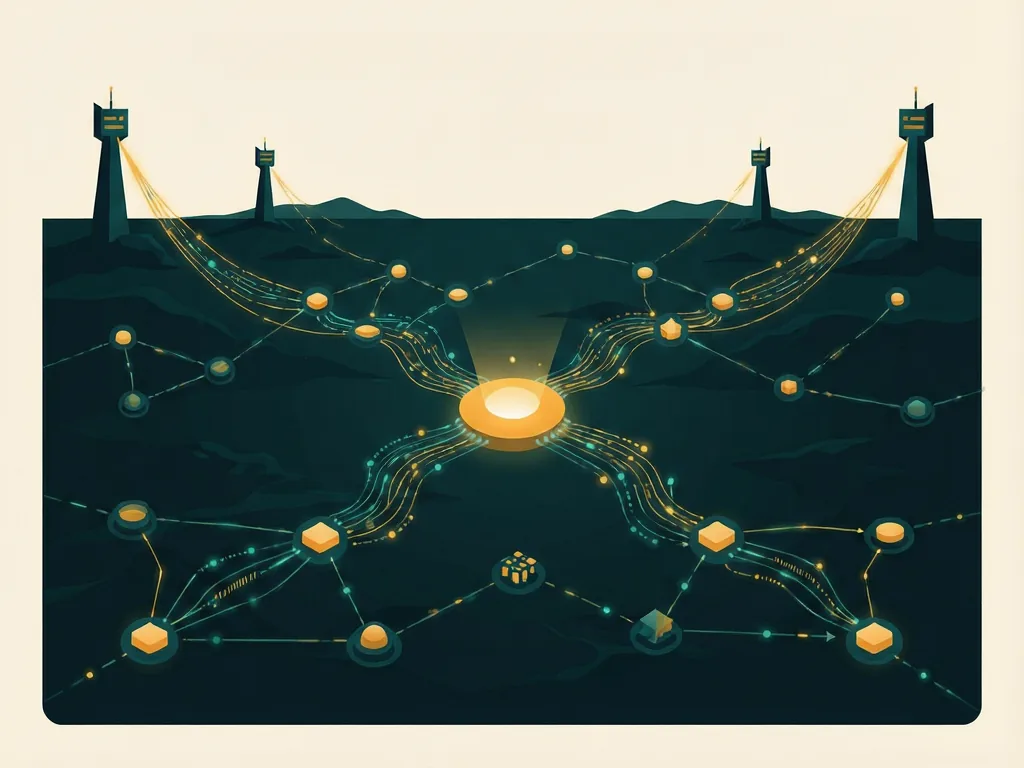
This article explains how OpenAI manages ongoing access to Sora and Codex using three pillars: rate limits, usage tracking, and credits. It shows how real-time monitoring replaces hard cutoffs, offeri…
SWE-bench Verified, once a trusted benchmark for AI coding ability, is losing credibility due to two core problems: flawed test cases that let models pass without truly solving issues, and training da…
This article explains why Codex Security diverges from traditional SAST tools. While classic scanners rely on pattern matching and generate noisy, often false positives, Codex Security uses AI-driven …
OpenAI has released ready-made, prompt-based teen safety policies for its gpt-oss-safeguard moderation model. Developers building AI applications for audiences under 18 can use these natural-language …
The updated Codex desktop app for macOS and Windows transforms the AI coding assistant from a chat tool into a full desktop assistant. New features include computer use for operating your machine dire…
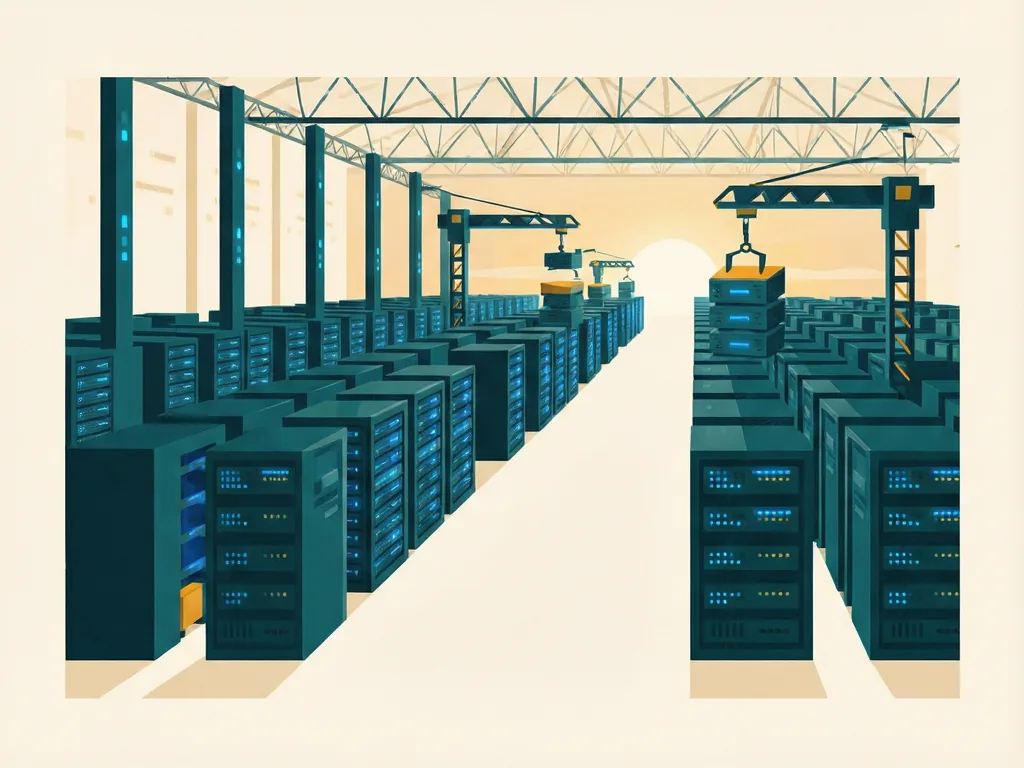
OpenAI is expanding Stargate, its large-scale compute infrastructure project, by adding new data center capacity to meet surging AI demand and pursue artificial general intelligence. The article expla…
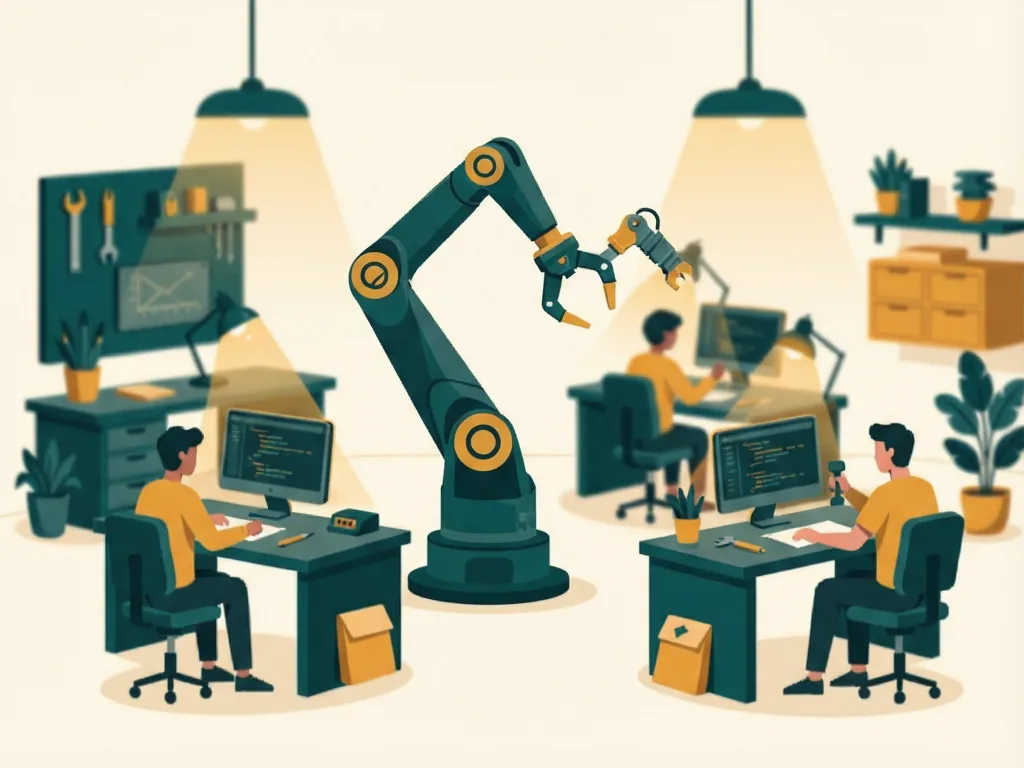
Software company Simplex integrated ChatGPT Enterprise and Codex into its engineering workflow to cut development time. ChatGPT Enterprise supports design exploration, documentation, and code assistan…
OpenAI brought Codex to Windows by building a native sandbox using restricted tokens and Job Objects. Restricted tokens limit child processes to the workspace folder via ACLs, while Job Objects contai…
OpenAI's Codex coding agent is now accessible through the ChatGPT mobile app, letting developers start tasks, monitor progress in real time, steer work mid-task, and approve changes from anywhere. Thi…
Sea Limited, parent of Shopee, Garena, and SeaMoney, is deploying OpenAI's Codex across its engineering teams as part of a strategic shift toward AI-native software development. The article explores h…
Gartner's 2026 Magic Quadrant for Enterprise AI Coding Agents names OpenAI a Leader, highlighting Codex's innovation and enterprise-scale deployments. The article explains what Leader placement means,…
Warp has evolved from a modern terminal into an intelligent development environment powered by GPT-5.5 and other OpenAI models. It enables developers to launch, manage, and coordinate multiple AI codi…
Cisco has partnered with OpenAI to deploy Codex, an advanced coding agent, across its engineering organization. The collaboration drives AI-native development, speeds up Cisco AI Defense product devel…
Codex plugins, sites, and annotations transform a general AI assistant into a role-specific workspace. Analysts connect data sources, marketers generate campaign reports, designers organize feedback, …
Wasmer leveraged Codex with GPT-5.5 to build a Node.js-compatible runtime for edge environments, completing in weeks what traditionally takes months or years. By integrating AI agents into their core …
Notion integrates OpenAI's Codex across its engineering workflow, treating AI as a teammate rather than an autocomplete tool. Engineers use Codex to one-shot code-aware product specs, ship user-facing…
This article explores how Nextdoor engineering teams use Codex and GPT-5.5 in real production workflows. Engineers leverage AI to investigate bugs that are nearly impossible to reproduce, port feature…
Astrophysicist Chi-kwan Chan uses OpenAI's Codex to accelerate black hole simulations, leveraging AI to write code, debug, and handle routine engineering while focusing on the physics. His work tests …
This article explains how AI consultant Jason Liu uses Codex for extended, long-duration projects. Rather than treating it as a one-shot answer machine, he treats it as a project partner: persistent d…
GPT-Red is OpenAI's automated red teaming system that uses self-play to strengthen AI model safety. An attacker AI generates adversarial prompts while a defender model resists them, creating a continu…