
Simplex reinvents software development through Codex
Software company Simplex integrated ChatGPT Enterprise and Codex into its engineering workflow to cut development time. ChatGPT Enterprise supports design exploration, documentation, and code assistance with enterprise-grade security, while Codex accelerates code generation and test case creation. By scaling AI access across teams rather than limiting it to power users, Simplex shortened design-to-tested-code cycles, surfaced bugs earlier, and turned AI tools into standard infrastructure for faster, more reliable software delivery.

Simplex Cuts Development Time with ChatGPT Enterprise and Codex

Simplex, a software development company, has adopted ChatGPT Enterprise along with Codex to speed up how its teams design, build, and test software. The move shows how development shops can weave AI into daily engineering work rather than treating it as an occasional helper.
Why Simplex Turned to AI Tooling
Like many software companies, Simplex faces constant pressure to deliver quality code quickly. Traditional development cycles—moving from an initial design through coding and into testing—can stretch on for weeks, with engineers spending significant time on repetitive tasks.
By bringing ChatGPT Enterprise into its workflow, Simplex aimed to shorten those cycles. The enterprise version of ChatGPT offers stronger security and administrative controls than consumer plans, which matters for a company handling client projects and proprietary code.
How ChatGPT Enterprise Fits Into the Workflow

Simplex uses ChatGPT Enterprise across several stages of its development process. During the design phase, teams rely on it to explore approaches, draft documentation, and think through edge cases before writing a single line of code.
When building, the tool helps engineers work faster by assisting with boilerplate code, explaining unfamiliar libraries, and offering alternative implementations. This lets developers focus their energy on the harder problems—architecture decisions and business logic—rather than routine plumbing.
The company has also scaled these AI-driven workflows across teams, so the benefits aren't limited to a few power users. Making the tool broadly available means more engineers can tap into AI assistance as a standard part of their day.
Codex and the Testing Phase
Alongside ChatGPT Enterprise, Simplex uses Codex, OpenAI's coding-focused model, to accelerate its build and testing work. Codex is designed specifically for code generation and related tasks, which makes it a natural fit for engineering teams.
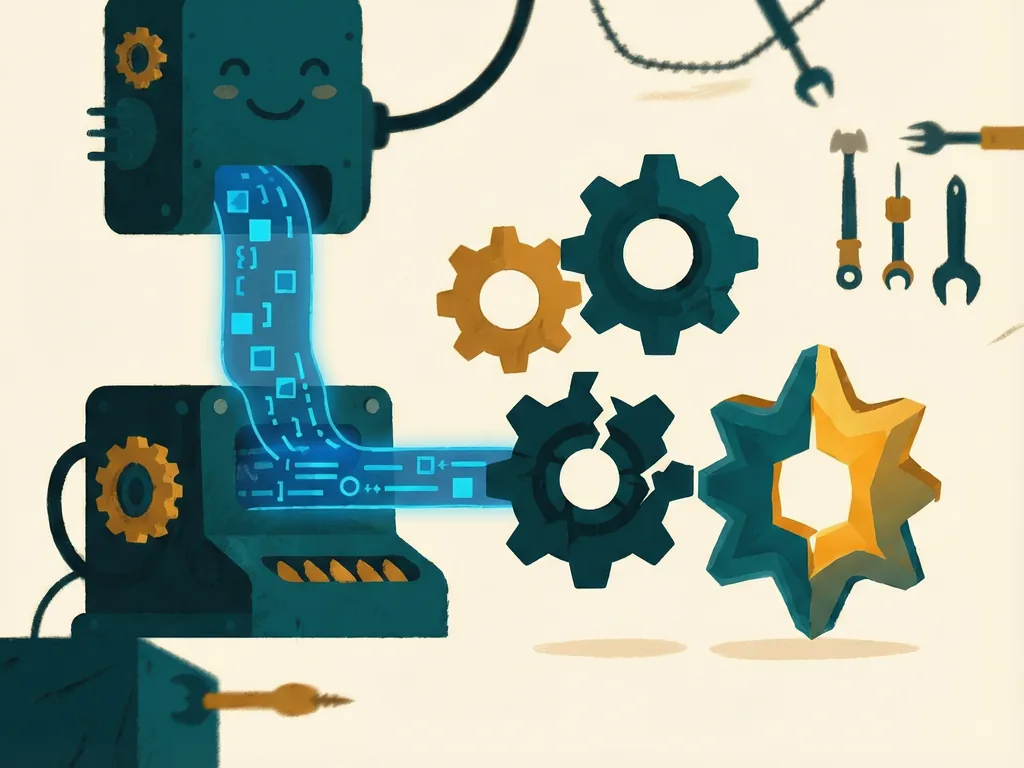
In the testing stage, Codex helps the team produce and review test cases more quickly. Faster testing means bugs surface earlier, which reduces the cost and delay of fixing them later in the cycle. The combined effect of the two tools is a development pipeline that moves from design to tested code in less time than before.
What This Means for Development Teams
Simplex's experience points to a broader trend: AI tools are becoming infrastructure for software teams, not just experiments. A few takeaways stand out:
- Choose the right tier. The Enterprise version of ChatGPT provides the security and management features that companies need when deploying AI across an organization.
- Use specialized tools for specialized tasks. Codex complements general-purpose ChatGPT by focusing on code generation and testing support.
- Scale beyond early adopters. The real gains come when AI workflows become standard practice across whole teams rather than staying with individual enthusiasts.
For teams considering a similar path, Simplex's approach suggests starting with clear use cases—design exploration, code assistance, and test generation—and then expanding access as the workflows mature.
The company reports that the combination has reduced the time needed for design, building, and testing, while letting it scale AI-supported processes as its projects grow. For development organizations watching the AI space, that's a practical example of turning AI promise into measurable workflow improvements.


Comments (0)