
GPT-Red: Enabling Self-Enhanced Robustness
GPT-Red is OpenAI's automated red teaming system that uses self-play to strengthen AI model safety. An attacker AI generates adversarial prompts while a defender model resists them, creating a continuous feedback loop where both improve. This scalable approach uncovers safety gaps, prompt injection vulnerabilities, and unexpected failure modes that human testers would miss, hardening models before public release.
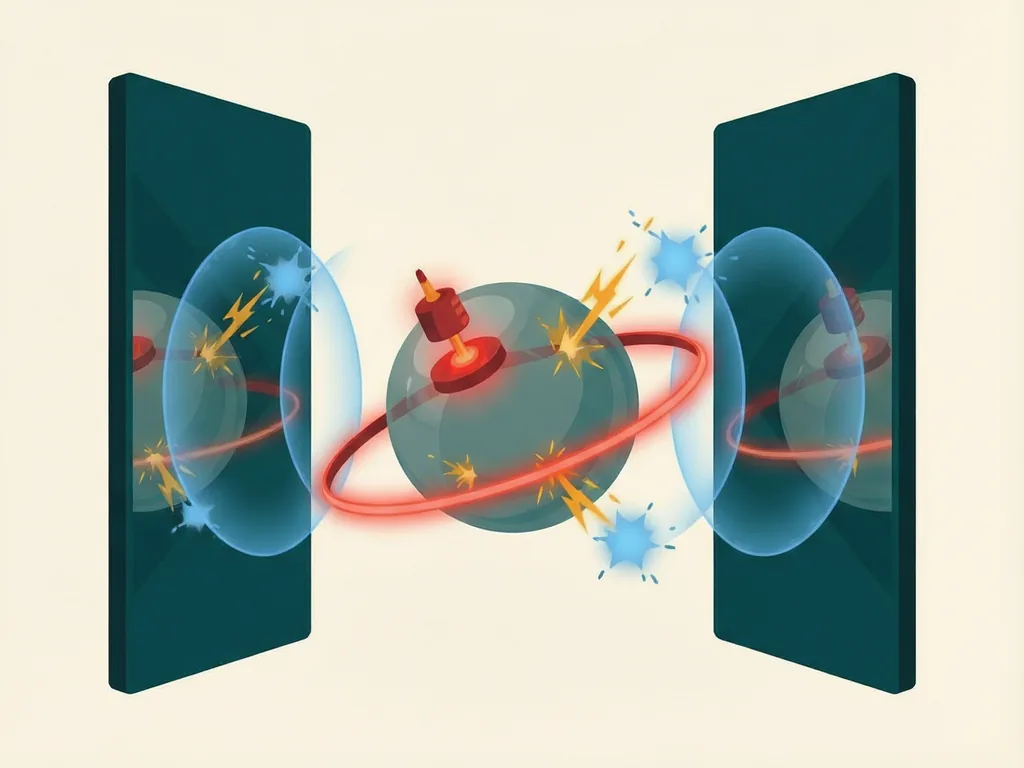
If you've ever wondered how AI companies stress-test their models before releasing them to the public, GPT-Red offers a fascinating answer. This automated red teaming system from OpenAI uses a technique called self-play to let AI attack AI, uncovering vulnerabilities that human testers might miss. In this article, we'll break down what GPT-Red is, how its self-play approach works, and why it matters for the safety and reliability of the AI tools you use every day.
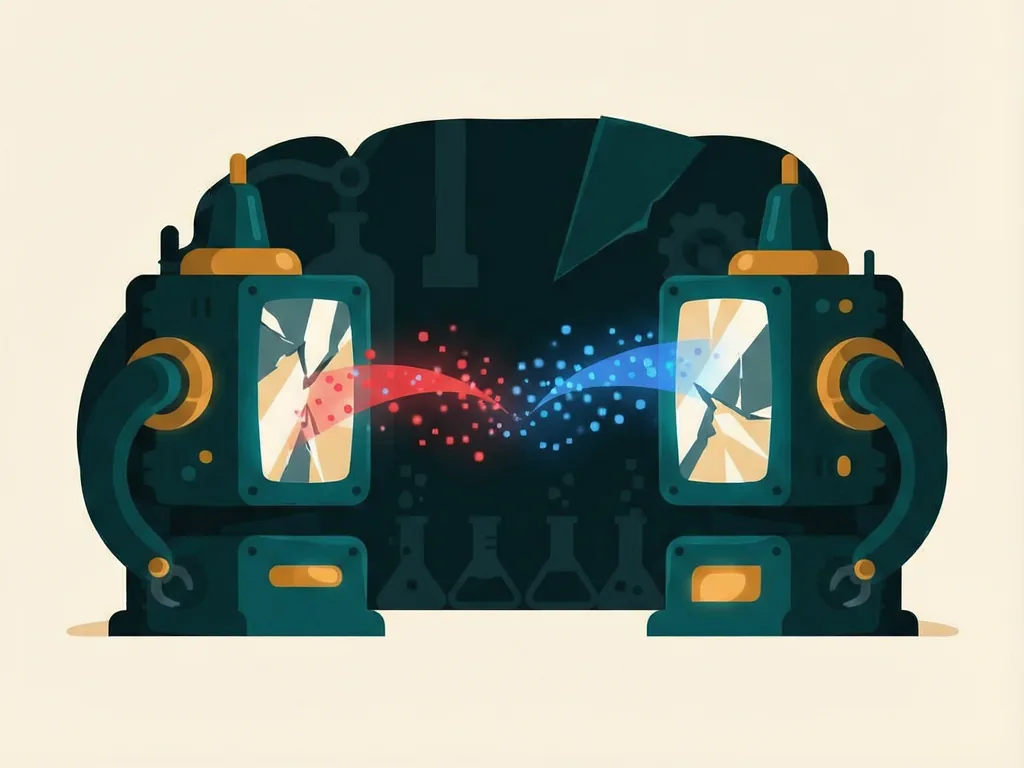
What Is GPT-Red?
Red teaming has long been a staple of cybersecurity. Instead of waiting for attackers to find weaknesses, organizations hire their own specialists to probe defenses and simulate attacks. OpenAI applies the same logic to language models. Traditionally, this meant human reviewers spending countless hours trying to trick a model into producing harmful, unsafe, or incorrect outputs — a slow, expensive, and incomplete process.
GPT-Red automates that work. Rather than relying solely on human testers, it deploys AI systems to generate adversarial prompts — carefully crafted inputs designed to push a model beyond its safe boundaries. The goal isn't to break the model for fun; it's to find failure modes early so they can be fixed before deployment.
The key innovation in GPT-Red is its use of self-play, a concept borrowed from game-playing AI systems where models improve by competing against themselves.
How Self-Power Play Works in Practice
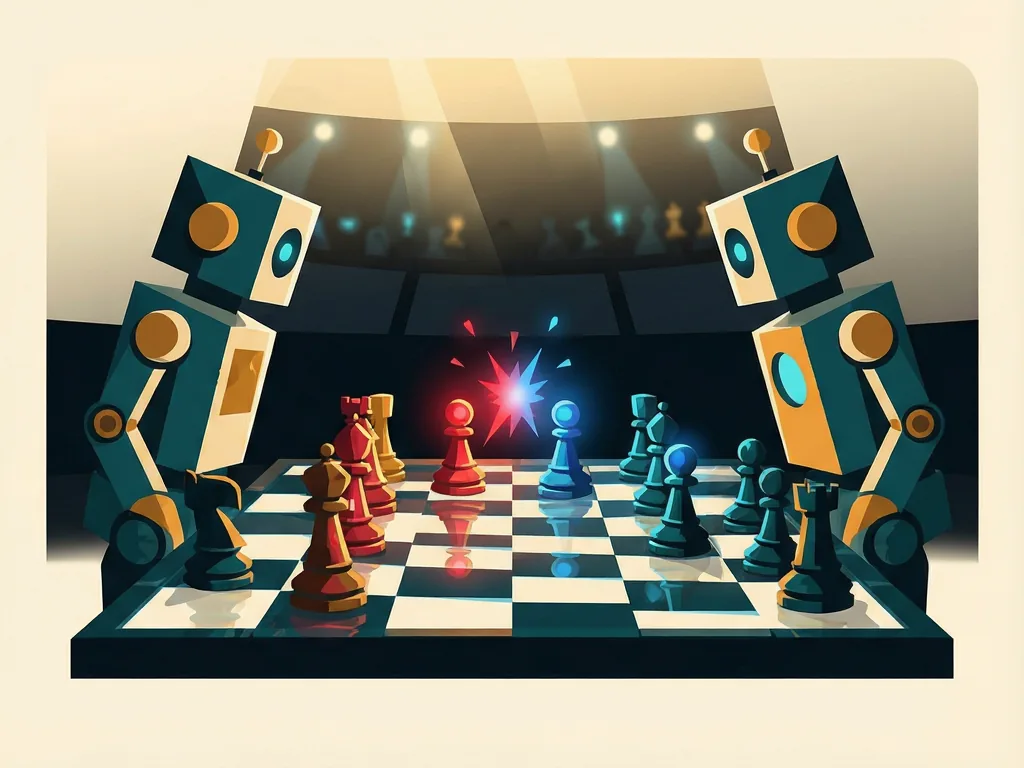
In a self-play setup, two AI agents face off in a continuous loop. One agent acts as the attacker, generating tricky prompts and probing for weaknesses. The other plays the defender — the target model that must resist manipulation. Each time the attacker succeeds, that successful attack becomes training data. Each time the defender holds firm, the system learns what works.
This creates a feedback loop that never sleeps. As the defender gets stronger, the attacker is forced to invent more creative strategies. As the attacker grows more sophisticated, the defender must adapt to survive. Over many iterations, both sides improve — and the defender ends up hardened against a far wider range of threats than static testing could ever reveal.
Self-play has proven itself before. It's the technique that helped AI systems master complex games without human examples, because the adversarial pressure keeps escalating. Applied to safety testing, it means GPT-Red can explore vast numbers of attack scenarios that no human team could realistically cover.
What GPT-Red Tests For
Automated red teaming with GPT-Red focuses on several important areas:
Safety and alignment. The system probes whether models stay within their intended behavior — refusing harmful requests, avoiding dangerous content, and following the guidelines set by their developers. Any gap between what a model should do and what it actually does is a target.
Prompt injection robustness. Prompt injection is one of the most pressing threats in modern AI applications. It happens when someone embeds hidden instructions in text, images, or web content that an AI system processes, tricking it into ignoring its original instructions. As AI agents gain the ability to browse the web, read emails, and use tools, prompt injection becomes a serious security concern. GPT-Red systematically generates injection attempts to measure how well a model resists them.
Emerging failure modes. Because the attacker agent explores freely, it can stumble onto unexpected categories of failure — unusual phrasings, multi-step tricks, or edge cases that human testers would never think to try.
Why Automated Red Teaming Matters
Scale is the biggest reason. Human red teams are talented but limited: a small group of people can only generate so many attack ideas in a day. An automated system can run millions of attempts, around the clock, at a fraction of the cost. That breadth matters because model failures are often statistical — a vulnerability that appears once in ten thousand prompts may never surface in manual testing but could still cause real harm in production.
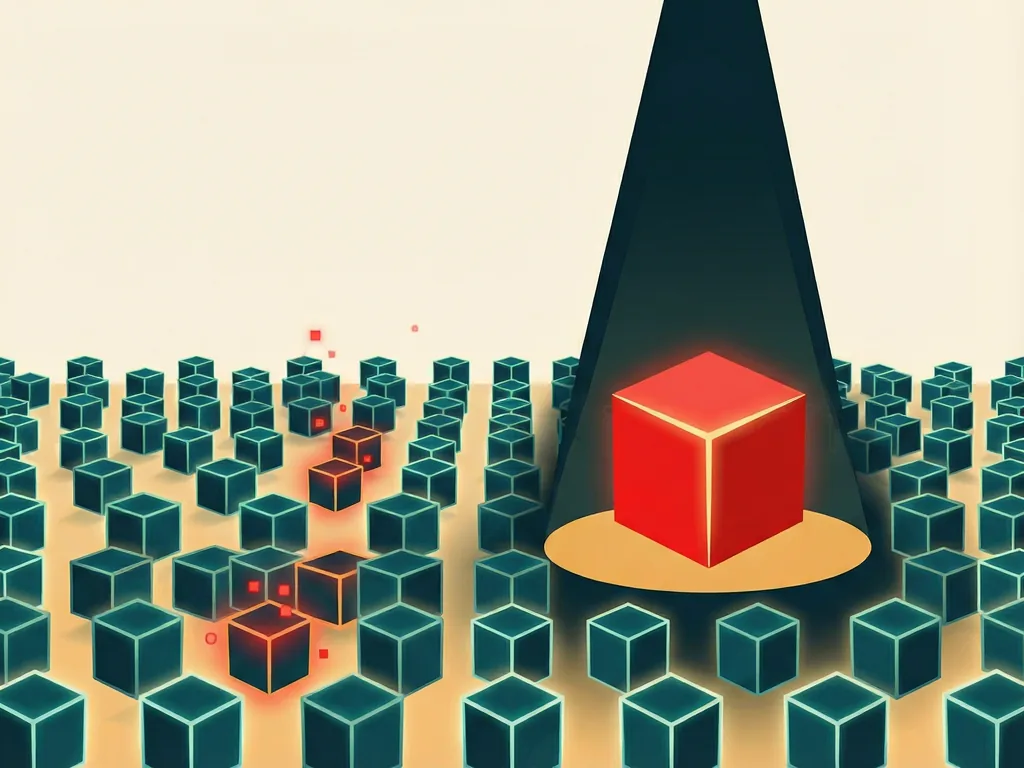
There's also a consistency benefit. Automated testing can be repeated identically across model versions, letting developers compare a new release against its predecessor and confirm that safety improvements are genuine rather than coincidental. And because successful attacks are recorded as structured data, they feed directly back into training, making every testing cycle productive.
Automation doesn't replace human judgment, though. Human experts remain essential for spotting subtle harms, cultural sensitivities, and novel threat categories that automated agents might not recognize. The best safety programs combine both: machines for scale, humans for depth.
Limitations and Open Questions
It's worth being honest about what automated red teaming can't do. Self-play optimizes against attacks the system can imagine — if both attacker and defender share blind spots, those blind spots persist. The diversity of the attacker's strategies matters enormously, and there's an ongoing research challenge in making automated attackers genuinely creative rather than repetitive.
There's also a risk of overfitting: a model might learn to resist the specific attack patterns GPT-Red generates while remaining vulnerable to attacks with different structures. OpenAI and other labs address this with varied attack strategies and human oversight, but it remains an active area of research rather than a solved problem. Details about exactly how GPT-Red's performance is measured internally aren't always public, so specific claims about its effectiveness should be treated with appropriate caution.
The Bigger Picture
GPT-Red reflects a broader shift in how the AI industry approaches safety. Rather than treating testing as a final checkpoint, companies are building continuous, automated pipelines that probe models throughout development. As AI systems take on more consequential tasks — handling sensitive data, acting on our behalf, operating in the physical world — this kind of rigorous, scalable stress-testing becomes less optional and more essential.
For everyday users, the takeaway is reassuring in a measured way: the assistants and chatbots you rely on are increasingly tested by systems designed to break them before real-world attackers can. It doesn't guarantee perfection, but it represents meaningful progress toward AI systems that fail less often and less dangerously.
Comments (0)