
Sea's Perspective on the Future of Agentic Software Development Using Codex
Sea Limited, parent of Shopee, Garena, and SeaMoney, is deploying OpenAI's Codex across its engineering teams as part of a strategic shift toward AI-native software development. The article explores how Codex automates coding tasks, helps manage complex multilingual codebases, and boosts productivity, while signaling that AI tool fluency is becoming a baseline skill for engineers across Southeast Asia's competitive tech landscape.

Sea Limited, the Singapore-based technology company behind Shopee, Garena, and SeaMoney, is bringing OpenAI's Codex to its engineering teams. In a recent conversation, the company's Chief Product Officer shared why the organization is betting on AI-powered coding tools and what it hopes to achieve as it moves toward AI-native software development in Asian markets. This article is for developers, product managers, and tech leaders who want to understand how large consumer internet companies are actually putting AI coding assistants to work — not just experimenting with them.

Why Sea Is Investing in AI-Native Development
Sea operates some of the most heavily used digital platforms in Southeast Asia. Shopee handles enormous e-commerce traffic, Garena runs popular games, and SeaMoney provides financial services across multiple countries. Keeping all of that running requires a large engineering organization spread across the region.
The company's leadership sees AI-native development as more than a productivity boost. The idea is to restructure how software gets built so that AI tools are part of the workflow from the start, rather than an add-on that individual developers use when they remember to. That shift affects how teams plan projects, review code, and ship features.
According to Sea's CPO, deploying Codex across engineering teams is a deliberate step in that direction. Rather than limiting AI coding tools to a few enthusiasts, the company wants the entire engineering organization to work with them daily.
What Codex Actually Does for Engineers
For readers who haven't followed the tool closely, Codex is OpenAI's coding agent. It can write new code, explain existing codebases, fix bugs, and handle routine tasks like writing tests or refactoring. Unlike a simple autocomplete feature, it can work through multi-step tasks with a degree of autonomy.
For a company like Sea, the appeal is straightforward: engineers spend less time on repetitive work and more time on problems that actually need human judgment. That includes things like designing systems that can handle flash sales on Shopee or making sure payment flows on SeaMoney remain reliable across different markets.

The tool also helps with a practical challenge common in Southeast Asian tech companies: codebases that have grown quickly and span multiple programming languages and legacy systems. An AI assistant that can navigate unfamiliar code makes onboarding and maintenance easier.
The Broader Push for AI Adoption in Asia
Sea's move reflects a wider trend. Technology companies across Asia have been accelerating AI adoption, both to keep pace with global competitors and to serve markets where mobile-first users expect fast, localized products. Building AI-native engineering practices is increasingly seen as a competitive necessity rather than a nice-to-have.
Sea's leadership has also emphasized building AI capabilities for its own products, not just internal tooling. Shopee, for example, has been adding AI-driven features for sellers and shoppers. Having engineers who are comfortable working alongside AI tools supports both goals at once — better internal productivity and stronger AI-powered features for customers.
It's worth noting that Sea is not the only large company pursuing this path, and Codex is not the only tool of its kind. Rivals like GitHub Copilot and Cursor have their own followings. What makes Sea's announcement notable is the scale: this is a major regional platform committing to AI-assisted development across its engineering teams, not a small pilot program.
What This Means for Engineers and the Region
For engineers working in Southeast Asia, the message is that familiarity with AI coding tools is becoming a baseline expectation. Companies like Sea are signaling that the ability to work effectively with AI agents — knowing what to delegate, how to review AI-generated code, and when to step in manually — will be part of the job.

For the broader regional tech ecosystem, large-scale deployments like this one help normalize AI-native development practices. Smaller companies and startups often follow the lead of major players, which could speed up adoption across the industry.
The specifics of measurable results — how much faster Sea ships code, or how quality metrics change — have not been laid out publicly in detail, so it's too early to judge the outcome. What's clear is the direction: one of Asia's biggest consumer tech companies is restructuring its engineering culture around AI tools like Codex, and the rest of the region is watching.
Meta description: Sea Limited's CPO explains how Codex is transforming engineering teams and accelerating AI-native software development across Asia's tech landscape.
Tags: Sea Limited, Codex, AI-native development, software engineering, Southeast Asia tech
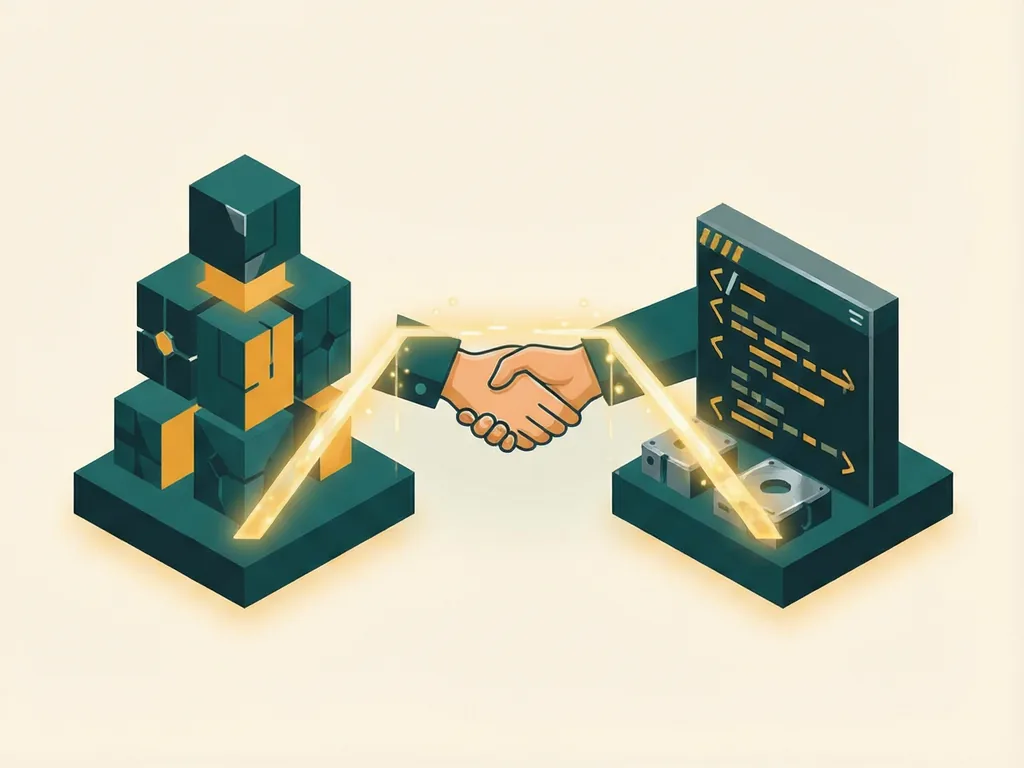
Featured image: A friendly abstract illustration of interconnected code blocks and circuit lines flowing across a stylized map of Southeast Asia, rendered in soft blues and warm oranges, with no people, logos, or text.




Comments (0)