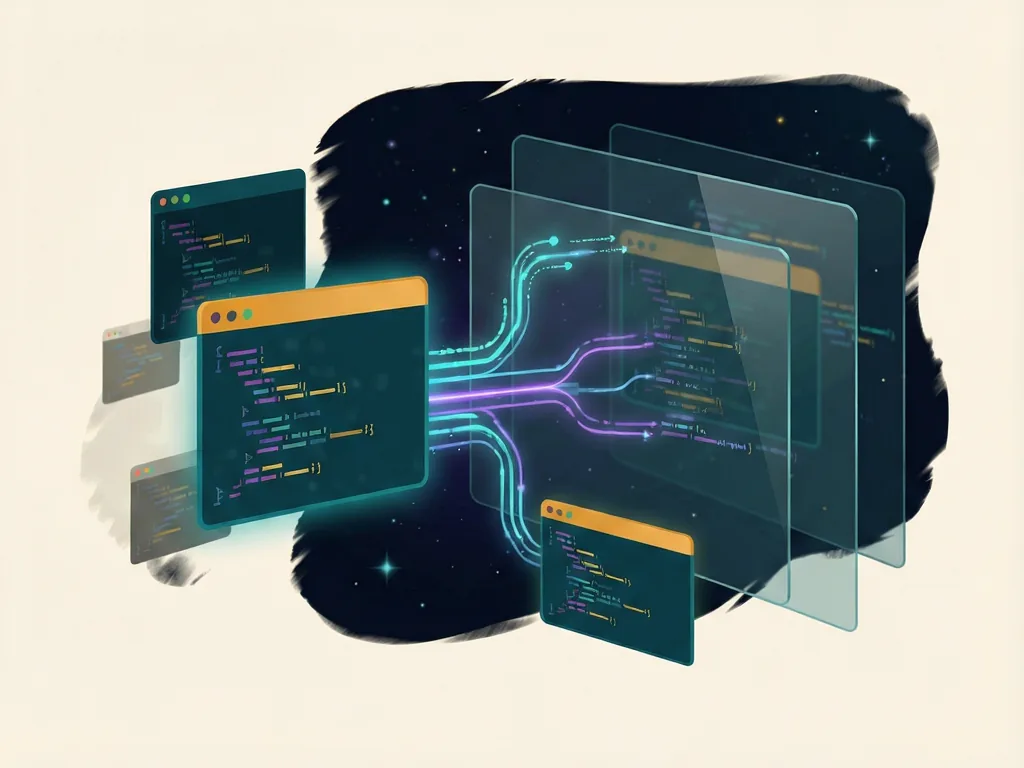
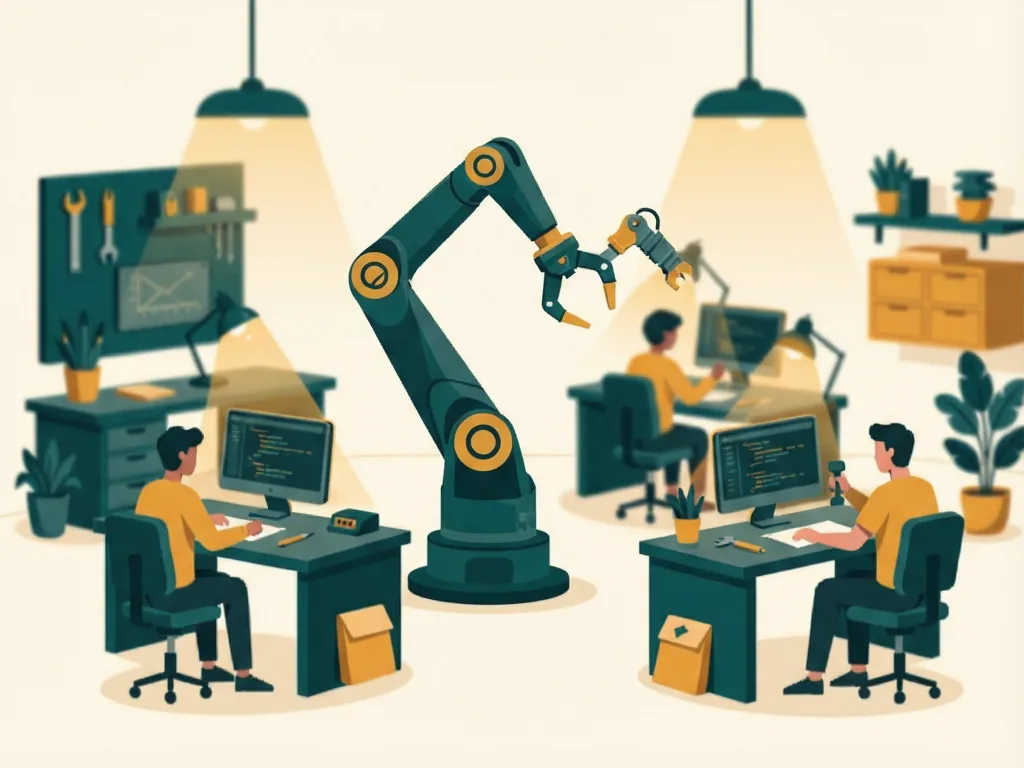
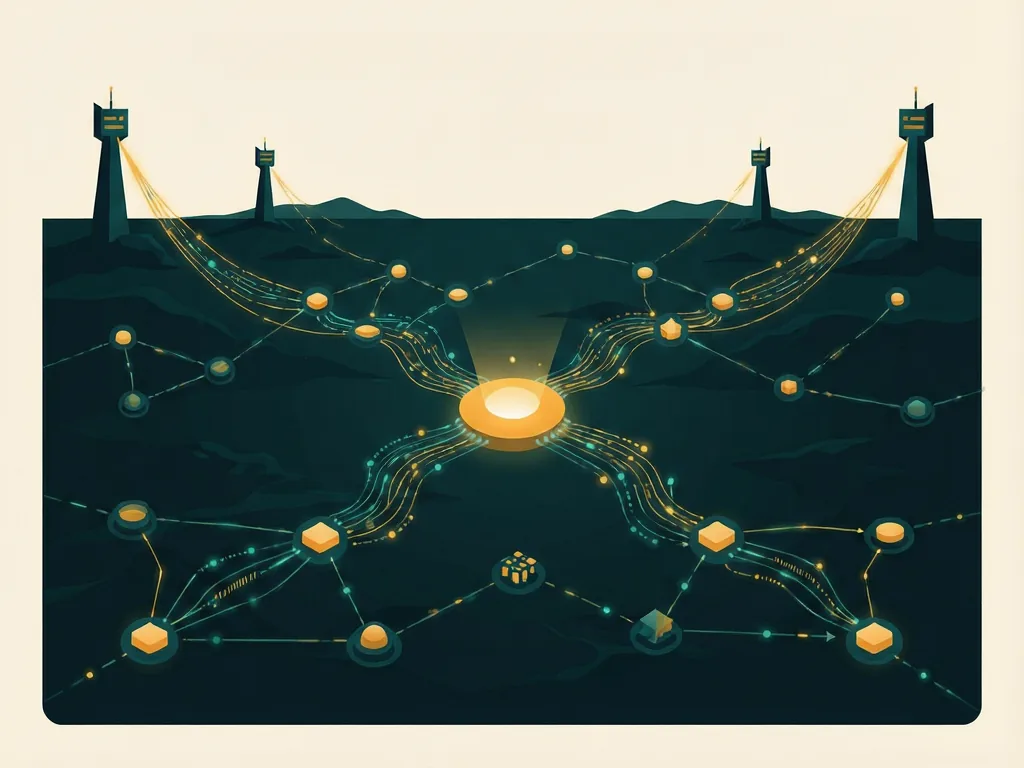
Software company Simplex integrated ChatGPT Enterprise and Codex into its engineering workflow to cut development time. ChatGPT Enterprise supports design exploration, documentation, and code assistan…
OpenAI brought Codex to Windows by building a native sandbox using restricted tokens and Job Objects. Restricted tokens limit child processes to the workspace folder via ACLs, while Job Objects contai…
OpenAI's Codex coding agent is now accessible through the ChatGPT mobile app, letting developers start tasks, monitor progress in real time, steer work mid-task, and approve changes from anywhere. Thi…
Sea Limited, parent of Shopee, Garena, and SeaMoney, is deploying OpenAI's Codex across its engineering teams as part of a strategic shift toward AI-native software development. The article explores h…
Gartner's 2026 Magic Quadrant for Enterprise AI Coding Agents names OpenAI a Leader, highlighting Codex's innovation and enterprise-scale deployments. The article explains what Leader placement means,…
Warp has evolved from a modern terminal into an intelligent development environment powered by GPT-5.5 and other OpenAI models. It enables developers to launch, manage, and coordinate multiple AI codi…
Cisco has partnered with OpenAI to deploy Codex, an advanced coding agent, across its engineering organization. The collaboration drives AI-native development, speeds up Cisco AI Defense product devel…
Codex plugins, sites, and annotations transform a general AI assistant into a role-specific workspace. Analysts connect data sources, marketers generate campaign reports, designers organize feedback, …
Wasmer leveraged Codex with GPT-5.5 to build a Node.js-compatible runtime for edge environments, completing in weeks what traditionally takes months or years. By integrating AI agents into their core …
Notion integrates OpenAI's Codex across its engineering workflow, treating AI as a teammate rather than an autocomplete tool. Engineers use Codex to one-shot code-aware product specs, ship user-facing…
This article explores how Nextdoor engineering teams use Codex and GPT-5.5 in real production workflows. Engineers leverage AI to investigate bugs that are nearly impossible to reproduce, port feature…
Astrophysicist Chi-kwan Chan uses OpenAI's Codex to accelerate black hole simulations, leveraging AI to write code, debug, and handle routine engineering while focusing on the physics. His work tests …
This article explains how AI consultant Jason Liu uses Codex for extended, long-duration projects. Rather than treating it as a one-shot answer machine, he treats it as a project partner: persistent d…
GPT-Red is OpenAI's automated red teaming system that uses self-play to strengthen AI model safety. An attacker AI generates adversarial prompts while a defender model resists them, creating a continu…
GPT-5.6's threefold jump in ARC-AGI-3 scores came not from a new model but from two API settings: reasoning retention, which keeps the model's chain of thought across multi-step tasks, and compaction,…
A viral project showed a language model producing watercolor paintings by writing JavaScript with p5.brush rather than generating images directly. This article recreates Surya Narreddi's recipe fully …
Funes is an open-source Hugging Face tool that transforms coding agent session logs into a searchable, portable memory layer. With a single command, it indexes agent turns locally, provides recall and…
This tutorial shows developers how to improve schema compliance in small local language models by fine-tuning LiquidAI's LFM2.5-350M using GRPO with TRL and LoRA. Using ~500 Nemotron structured-output…
This post demonstrates a distributed asynchronous GRPO training setup using TRL v1.14's AsyncGRPOTrainer with LoRA on Hugging Face Jobs. The trainer and vLLM inference replicas run on entirely separat…
GPT-5.6, OpenAI's latest flagship model, is changing how startups build AI agents. By deliberately routing requests across reasoning effort levels and using the Responses API, teams cut costs and late…