
Going all-in on Codex for extended, long-duration tasks
This article explains how AI consultant Jason Liu uses Codex for extended, long-duration projects. Rather than treating it as a one-shot answer machine, he treats it as a project partner: persistent documentation, structured handoffs, iterative refinement, and writing decisions down as they happen. By keeping project memory outside the prompt and breaking work into reviewable chunks, progress compounds across sessions, letting every new conversation resume ahead of where the last one ended.

If you've ever lost track of a complex AI project because your chat history grew too long or a single prompt couldn't hold everything you needed, this article is for you. Below, we break down how Jason Liu, a well-known AI consultant and educator, approaches Codex differently from most people: not as a one-shot answer machine, but as a system for preserving context, organizing multi-step work, and keeping projects moving across sessions. By the end, you'll understand his core principles and how to apply them to your own workflow.
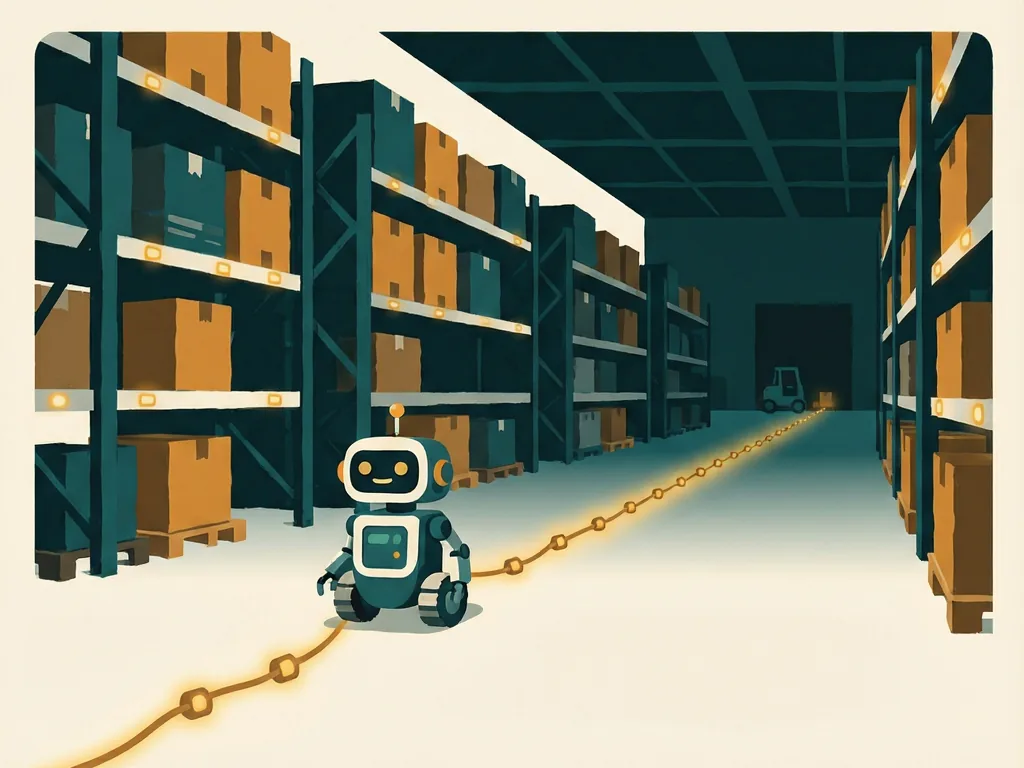
Why Context Is the Real Bottleneck
Most people interact with coding assistants the same way they use a search engine: type a question, get an answer, move on. Jason Liu's argument is that this approach throws away the most valuable resource you have—context.
When you're building something non-trivial, the hard part isn't generating a single function. It's remembering what you decided three sessions ago, why you chose one architecture over another, and which constraints matter. Codex, in Liu's usage, becomes a place where that knowledge lives and accumulates rather than evaporating between prompts.
The practical payoff is consistency. Instead of re-explaining your project every time you start a new conversation, you set things up so the assistant already knows the terrain. That means fewer contradictions, less rework, and output that actually fits the codebase you're working in.
Treating Codex as a Project Partner, Not a Vending Machine
Liu's philosophy centers on a simple reframe: stop thinking of each prompt as a transaction. Think of the whole engagement as an ongoing project with continuity.

In practice, this looks like:
- Persistent project files. Documentation that travels with the work—a record of decisions, conventions, and goals that the assistant can reference. Rather than relying on memory inside one chat, the important stuff is written down where any future session can pick it up.
- Structured handoffs. When work moves from one session or one person to another, there's a deliberate transfer of state: what's done, what's in progress, what's blocked and why.
- Iterative refinement. Liu treats early output as a draft conversation, not a final product. He pushes back, corrects, and feeds results back in, so the model's understanding of the project sharpens over time.
This is why his projects don't collapse when a single prompt runs out of room. The project's memory lives outside the prompt.
Making Work Continue Beyond a Single Prompt
The most distinctive part of Liu's approach is designing work to outlive the prompt that started it. A few habits make this possible:
- Write down decisions as they happen. When you and the assistant settle on an approach, capture it immediately in a file. Decisions that stay only in chat history are decisions you'll lose.
- Break work into reviewable chunks. Instead of asking for an entire feature at once, request pieces you can verify and commit. Each committed piece becomes durable context for the next step.
- Keep a running "state of the project" summary. A short document that says where things stand lets any new session—or a teammate—resume quickly without archaeology.
- Name things clearly. Consistent naming for files, functions, and concepts gives the assistant anchors it can reliably find and reuse.
The result is a workflow where progress compounds. Each session starts slightly ahead of where the last one ended, rather than from zero.

What This Means for Your Own Workflow
You don't need to copy Liu's exact setup to benefit from his thinking. The transferable ideas are simple:
- Before starting a serious project, spend time writing down goals, constraints, and conventions. That investment pays for itself many times over.
- Treat the assistant as a collaborator who needs onboarding, not an oracle that should already know everything.
- When something goes well or a decision gets made, persist it. Chat history is a leaky bucket.
One honest caveat: this approach requires discipline. Writing and maintaining project documentation takes effort up front, and it's tempting to skip when you're in a hurry. Liu's experience suggests that skipping it is what creates the mess later—the tangled, contradictory codebases that no one, human or AI, can easily work with.
The Bigger Lesson
Jason Liu's use of Codex is ultimately less about a specific tool and more about a mindset: context is an asset you build deliberately. People who manage it well get compounding returns from AI assistants. People who treat every prompt as a fresh start stay stuck re-explaining themselves forever.
If you take one thing away, make it this: the quality of your AI-assisted work is largely determined by the quality of the context you maintain around it. Build that context on purpose, and the single-prompt limitation stops being a wall and becomes just one step in a longer path.


Comments (0)