
Cisco teams up with OpenAI to transform enterprise engineering through Codex
Cisco has partnered with OpenAI to deploy Codex, an advanced coding agent, across its engineering organization. The collaboration drives AI-native development, speeds up Cisco AI Defense product development, and automates defect remediation. Unlike simple code assistants, Codex handles multi-step engineering tasks within Cisco's massive legacy codebases, letting engineers focus on architecture and high-level judgment while AI handles routine work.

For engineering leaders and developers wondering how large enterprises actually put AI coding tools to work, Cisco's partnership with OpenAI offers a revealing case study. The networking giant is using Codex to move toward AI-native development, speed up its AI Defense initiatives, and automate the often painful process of fixing software defects. This article breaks down what that collaboration involves, why it matters, and what other organizations can learn from it.
What Codex Brings to Enterprise Engineering
Codex is OpenAI's coding agent, designed to handle real engineering tasks rather than just autocomplete snippets of code. Unlike simpler assistants, it can work through multi-step assignments: reading a codebase, proposing changes, running tests, and iterating until the work is done.
For a company with Cisco's scale, that difference matters. Enterprises don't just need help writing new features — they need tools that can navigate decades of legacy code, respect internal security standards, and produce changes that human engineers can review and trust. Codex is built to operate in that environment, working alongside development teams instead of replacing them.
Cisco's adoption of the tool signals a broader shift in how big companies think about software development. The goal isn't simply to write code faster; it's to restructure the entire engineering workflow around AI as a core participant.
Scaling AI-Native Development at Cisco
The phrase "AI-native development" gets thrown around a lot, but Cisco's approach gives it concrete meaning. Rather than bolting an AI assistant onto an existing process, Cisco is rethinking how its engineers work so that AI involvement is built in from the start.
In practice, this means Codex participates across the development lifecycle — helping engineers explore unfamiliar code, draft implementations, and handle routine tasks that previously consumed significant time. Cisco's engineers can delegate work to the agent and focus their own attention on architecture, review, and the harder judgment calls.

The scale here is worth emphasizing. Cisco maintains enormous codebases spanning networking hardware, security products, and cloud services. Any productivity gain multiplies across thousands of engineers, which is why enterprises like Cisco are willing to invest deeply in this technology. Even modest improvements in how quickly defects get fixed or features ship can translate into meaningful business impact.
Accelerating AI Defense Work
One of the most interesting parts of the collaboration involves Cisco AI Defense, Cisco's suite for securing AI systems themselves. As companies deploy AI models and AI-driven applications, they face a new category of security challenges — and Cisco is building products to address them.
Shipping security tooling quickly matters, because threats in the AI space evolve rapidly. By using Codex in the development of AI Defense, Cisco can move faster on the engineering side, iterating on features and hardening its products while the threat landscape continues to shift. There's a certain symmetry to it: AI tools helping build the products that keep AI systems safe.
This also illustrates a point that often gets lost in discussions about AI coding tools. They're not just for greenfield projects or startup prototypes. They can support serious, security-sensitive enterprise work where correctness and reliability are non-negotiable.
Automating Defect Remediation
Bug fixing is one of the least glamorous and most time-consuming parts of software engineering. Triaging reports, reproducing issues, locating the faulty code, writing a fix, and verifying it can take days — and backlogs of known defects often grow faster than teams can clear them.
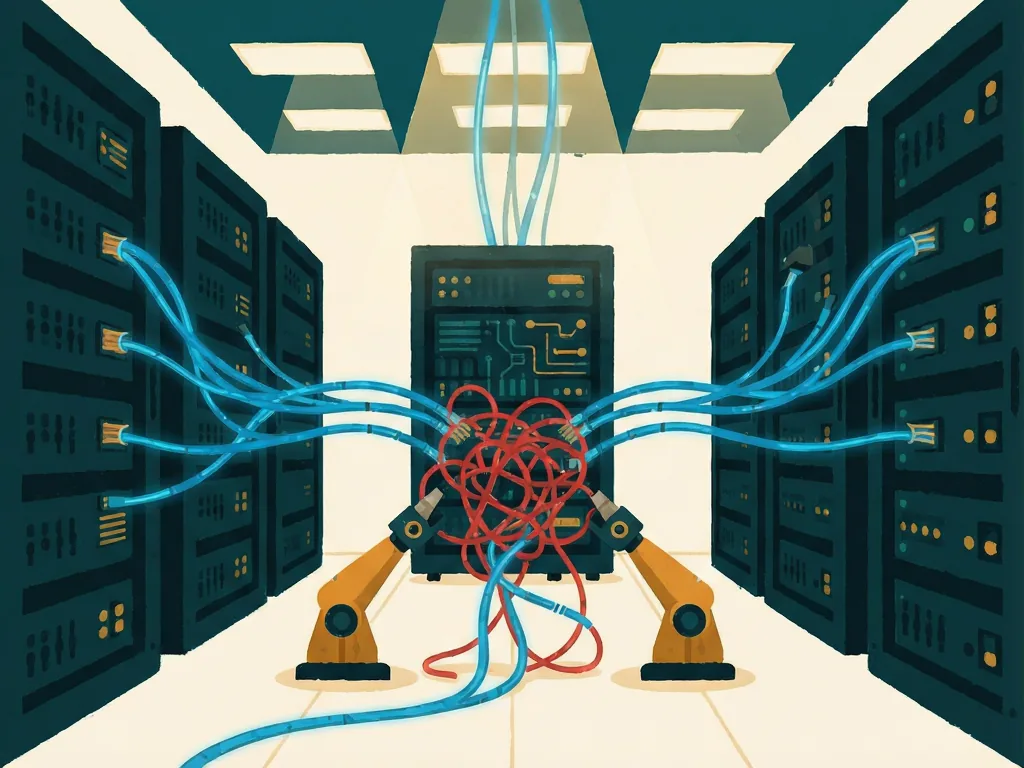
Cisco is using Codex to automate much of this remediation work. The agent can take defect information, dig into the relevant code, and produce candidate fixes that engineers then review. This shifts human effort toward verification and approval rather than manual investigation.
For enterprises weighing similar moves, Cisco's example suggests a practical starting point: defect remediation is a well-scoped, high-volume task with clear success criteria. That makes it an ideal candidate for AI assistance, and a safer place to build confidence than, say, greenfield architecture decisions.
What This Means for Other Organizations
Cisco's experience offers a few takeaways for companies considering their own adoption of AI coding agents:
- Start with high-volume, well-defined tasks. Defect fixes and routine maintenance work deliver quick wins with manageable risk.
- Keep humans in the loop. Codex proposes and executes, but engineers review the output — a pattern that preserves quality while still saving time.
- Think beyond autocomplete. The real value comes from integrating AI agents across the workflow, not just adding them as a convenience.
- Expect the workflow itself to change. AI-native development isn't a plug-in; it's a shift in how teams plan, build, and ship software.
The Bigger Picture
The Cisco–OpenAI collaboration is a sign of where enterprise software engineering is heading. AI coding agents are moving from experimental tools to embedded parts of how major companies build and maintain software. If organizations with Cisco's scale and security requirements are adopting these tools for mission-critical work, it's reasonable to expect broader adoption across industries.
The lesson for engineering teams everywhere: the question is no longer whether AI agents belong in enterprise development, but how quickly and thoughtfully they can be integrated. Cisco's work with Codex — from AI-native workflows to AI Defense acceleration to automated defect fixes — offers one early blueprint for answering that question.

Comments (0)