
Constructing the computational foundation for the Era of Intelligence
OpenAI is expanding Stargate, its large-scale compute infrastructure project, by adding new data center capacity to meet surging AI demand and pursue artificial general intelligence. The article explains what Stargate is, why compute has become a strategic resource, and how the expansion could bring more reliable AI services for users while intensifying the industry-wide infrastructure race among major tech players.
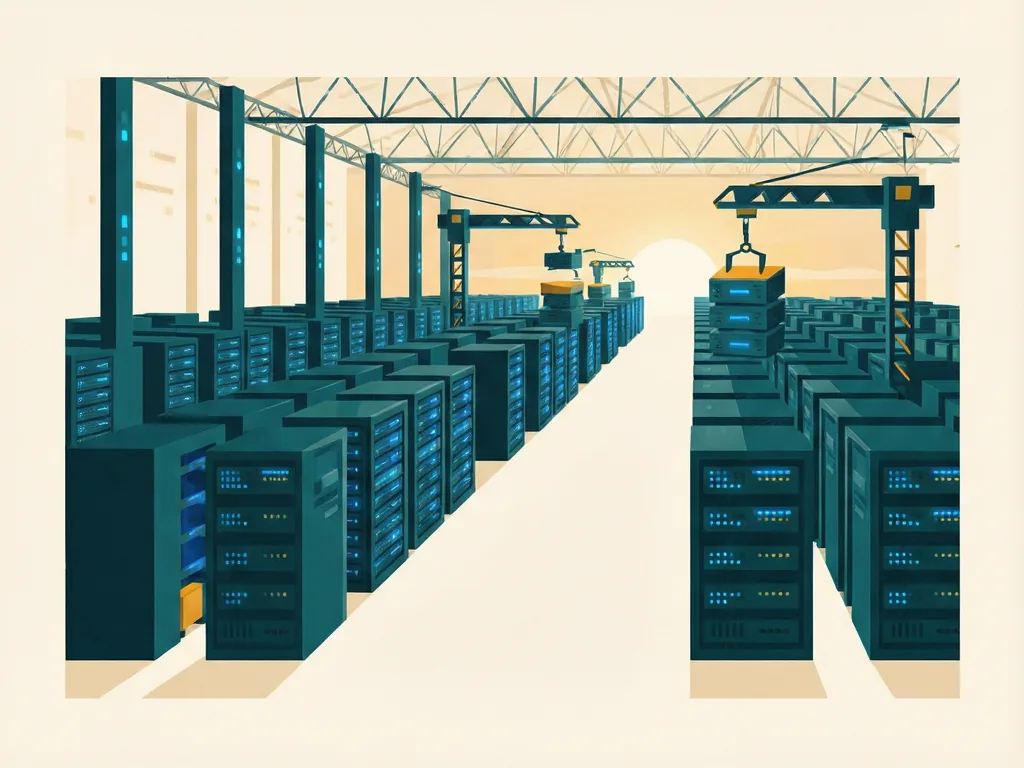
OpenAI is scaling up Stargate, its massive compute infrastructure project, by adding new data center capacity. The move aims to keep pace with surging demand for AI services and to build the computing foundation the company believes will be needed to develop artificial general intelligence (AGI). In this article, we break down what Stargate is, why OpenAI is expanding it, and what the expansion could mean for the AI industry and everyday users.

What Is Stargate?
Stargate is OpenAI's large-scale infrastructure initiative, created to supply the enormous computing power that training and running advanced AI models requires. Training frontier models takes tens of thousands of specialized chips working together for months at a time, and serving hundreds of millions of users adds even more demand. Rather than depending entirely on existing cloud providers, OpenAI is building dedicated capacity designed specifically for AI workloads.
The project has been backed by major partners and involves multiple data center sites in the United States. While OpenAI has not disclosed every detail of its plans, the overall goal is clear: secure enough compute to support both today's products and the larger systems the company hopes to build in the future.
Why OpenAI Needs More Compute
The demand for AI has grown faster than almost anyone predicted. ChatGPT alone serves a vast user base, and businesses of every size are plugging AI features into their products. Each chat, image, and code suggestion consumes real computing resources, and those costs add up quickly.
There are two distinct pressures at play. First, there is the immediate need to serve current customers without slowdowns or capacity limits. Second, there is the long-term ambition: OpenAI has stated that reaching AGI—AI systems that can match or exceed human performance across a wide range of cognitive tasks—will require far more computing power than anything available today. Stargate is designed with both goals in mind.
Compute has become a strategic resource in AI, much like oil was in earlier industrial eras. Companies that control large-scale computing can train bigger models, run more experiments, and move faster than competitors who have to rent capacity on tighter terms.

What the Expansion Involves
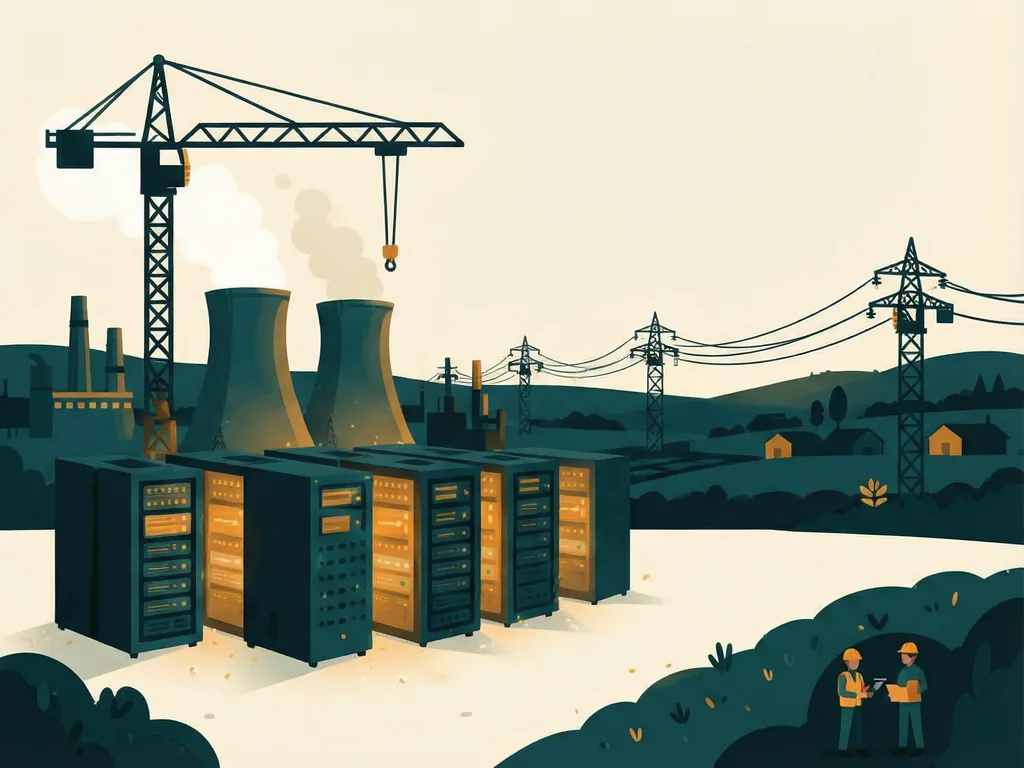
By adding new data center capacity to Stargate, OpenAI is increasing its ability to train future generations of models and serve growing demand at the same time. Building data centers at this scale is a huge undertaking. It requires securing land, power supplies, cooling systems, and thousands of advanced chips—often the hardest part, since leading AI chips come from a small number of suppliers and are in high demand worldwide.
OpenAI has not publicly confirmed exact timelines or capacity figures for the latest expansion, so specific numbers should be treated cautiously until the company shares them. What is clear is that the company views dedicated infrastructure as central to its roadmap, rather than relying solely on partnerships with cloud providers.
The expansion also signals a broader shift in the industry. AI labs are moving from simply renting compute to owning and operating it, a change that reshapes relationships across the tech sector—chipmakers, energy providers, and real estate developers all now play a role in the AI supply chain.
What This Means for Users and the Industry
For everyday users, more compute capacity should mean more reliable service, faster responses, and fewer capacity-related limitations on AI tools. For developers and businesses building on OpenAI's platforms, it suggests that access to models and APIs is likely to remain stable even as demand grows.
For the wider industry, the expansion intensifies the infrastructure race. Other major players, including Google, Microsoft, Meta, and Amazon, are all investing heavily in their own AI data centers. This competition drives innovation but also raises questions about energy use, environmental impact, and the concentration of AI power among a handful of wealthy companies.
Communities near new data center sites often have mixed feelings. These facilities bring construction jobs and investment, but they also consume large amounts of electricity and water. How companies like OpenAI address those concerns will matter as projects grow.
The Road Ahead
OpenAI's expanded Stargate project is a bet that compute is the bottleneck holding back progress toward more capable AI systems. If the bet pays off, the company gains the infrastructure to train and deploy systems that today's hardware could not support. If AI progress slows or costs prove higher than expected, the investment could look excessive—though few in the industry are betting against continued growth in AI demand.
Either way, the expansion shows how AI development has entered a new phase. Breakthroughs are no longer driven only by research ideas; they increasingly depend on who can build and power the biggest machines.
Meta description: OpenAI is expanding its Stargate data center project to boost AI compute capacity and support its long-term goal of building AGI systems.
Tags: OpenAI, Stargate, AI infrastructure, data centers, AGI
Featured image: A friendly abstract illustration of glowing data center buildings on a soft landscape, connected by light streams, in a modern flat style with cool blue and purple tones, no people, no logos, no text.
Comments (0)