
Asana compressed 5 years of engineering effort into just 2 weeks using Codex
Asana used OpenAI Codex to replace an aging internal testing system originally estimated to require five years of engineering effort. The AI-accelerated migration was completed in about two weeks at a cost of roughly $12K. The case highlights how AI coding agents can transform the economics of legacy system modernization, enabling teams to tackle projects previously postponed indefinitely—provided human oversight remains central to reviewing and directing the work.
If you've ever wondered whether AI coding tools can handle real engineering work—not just toy projects—Asana's recent experience offers a compelling answer. The project management software company used OpenAI Codex to replace an aging internal testing system, and the results were striking: work originally estimated at five years of effort was finished in about two weeks, at a total cost of roughly $12K.
Here's a closer look at what happened, why it matters, and what it suggests about how engineering teams might approach legacy code with AI assistance.
The Problem: A Slow, Aging Testing System
Large software companies often accumulate internal tools that were built years ago and have quietly become bottlenecks. Testing systems are a common culprit. As software grows, these systems can slow down, become fragile, and turn into a maintenance burden that engineers dread touching.
That's roughly the situation Asana faced. Their existing testing setup had become outdated, and the conventional path—rewriting or migrating it manually—came with a daunting price tag in engineering time. An effort of that scale was originally projected to take around five years to complete.
For most teams, a five-year timeline is effectively a non-starter. It means the old system keeps limping along, engineers keep paying the maintenance tax, and the migration keeps getting postponed. Asana took a different route.
The Solution: OpenAI Codex as the Engine
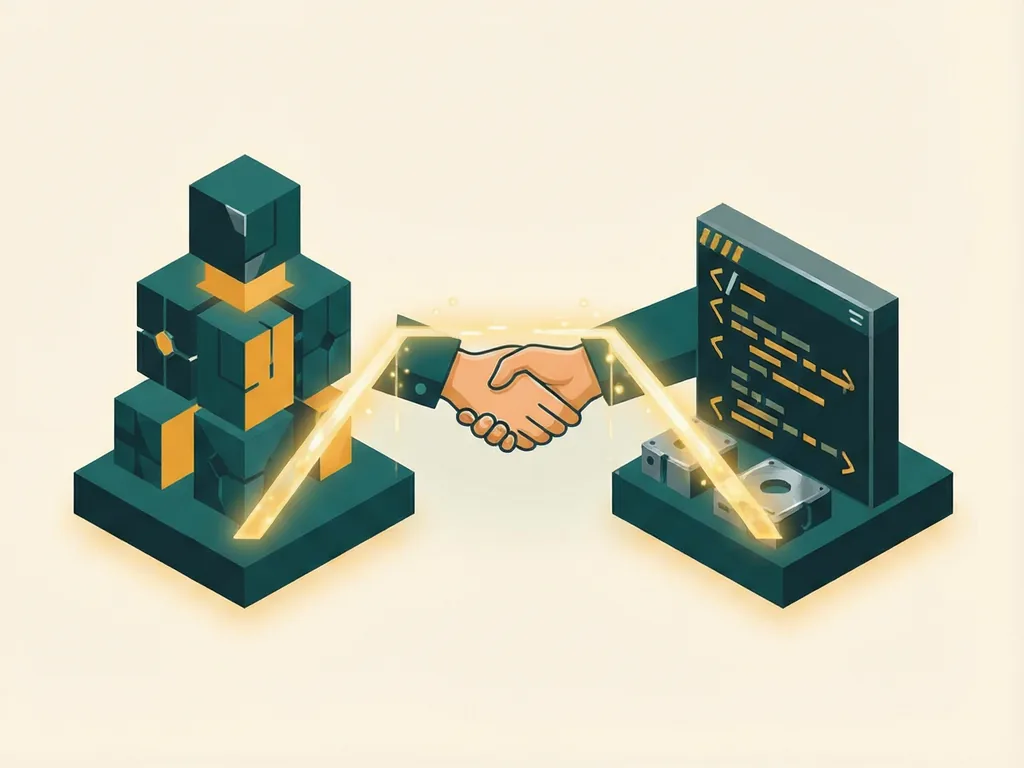
Instead of committing a team to a multi-year manual rewrite, Asana turned to OpenAI Codex, OpenAI's coding agent designed to work on real codebases over extended periods. Codex differs from simple autocomplete tools: it can be given larger tasks, work through them across many files, and iterate with developers reviewing and steering along the way.
The result speaks for itself. What had been scoped as a five-year effort was completed in approximately two weeks. The total cost came in at around $12K—a figure that includes the compute costs of running the AI agent rather than years of engineering salaries.
It's worth being precise about what this means. The five-year estimate presumably reflected a traditional, human-paced migration approach. The AI-accelerated version didn't change the underlying complexity of the work; it changed how quickly that complexity could be processed and executed. The engineering judgment—deciding what to build, reviewing outputs, and ensuring correctness—still came from people.
Why This Is a Big Deal for Legacy Code
Legacy system replacement is one of the least glamorous and most valuable jobs in software. It's also notoriously resistant to automation, because old systems tend to be poorly documented, full of edge cases, and understood only by people who may have left the company.
The Asana case suggests a shift in that equation. When an AI agent can ingest an existing codebase, understand its behavior, and help regenerate equivalent functionality, the economics of migration change dramatically. Projects that were postponed indefinitely because "we don't have five years" suddenly become feasible on a quarterly planning horizon.
A few takeaways stand out:
- Cost asymmetry is the story. $12K versus years of engineering labor isn't an incremental improvement—it's a category change.
- Speed changes decision-making. Teams can now consider replacing legacy systems they'd previously written off as permanent fixtures.
- Human oversight remains essential. The two-week figure works because engineers validated and directed the work, not because the AI ran unsupervised.
What Other Teams Can Learn
You don't need Asana's scale to apply the same thinking. The pattern here is transferable: identify a well-defined, high-friction piece of internal infrastructure; scope what "done" looks like; and use an AI coding agent to accelerate the mechanical portions of the work while engineers focus on design decisions and review.
That said, keep expectations calibrated. Testing systems may be a particularly good fit because their behavior is verifiable—you can check whether the new system catches the same bugs the old one did. Less testable migrations may need more human review at every step. And while the $12K figure is remarkable, results will vary based on codebase complexity, task definition, and how much iteration the work requires.
The broader lesson is that the "we'll never have time to fix this" category of engineering problems may be shrinking faster than many teams realize.
Featured image prompt: Abstract, friendly illustration of a large, rusty mechanical system being gently replaced by a bright, streamlined glowing one, with small robot figures assisting human silhouettes (no faces), warm colors, flat modern vector style, no text or logos.


Comments (0)