
OpenAI Codex teams up with Figma to deliver a smooth bridge between code and design
OpenAI and Figma have launched an integration connecting Codex, OpenAI's coding agent, directly to the Figma canvas. Developers gain context-aware coding help based on actual designs, while designers get visibility into what's implemented, reducing drift and handoff friction. The launch signals a broader industry shift toward AI agents embedded in existing workflows and the convergence of design and development tools.
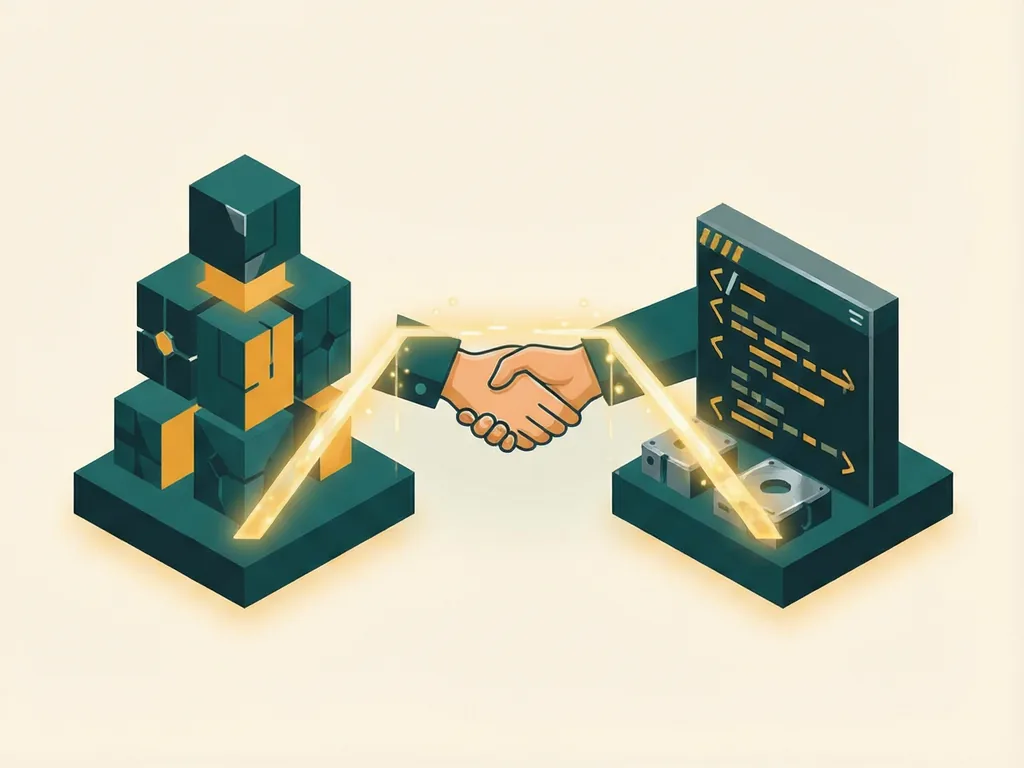
Design and engineering teams now have a new bridge between their two worlds. OpenAI and Figma have launched a Codex integration that connects code directly to the Figma canvas, letting teams move back and forth between implementation and design as they build products. If you've ever watched a design handoff lose something in translation, this update aims to fix exactly that.
What the Integration Actually Does
At its core, this integration ties OpenAI's Codex — the coding agent that can read, write, and refactor code — into Figma's design environment. The idea is simple but powerful: instead of treating design files and codebases as separate islands, the two tools now work together so that changes in one place can inform the other.
For developers, that means Codex can work with Figma designs as context, helping translate visual decisions into working implementation. For designers, it means the thing engineers build stays closer to what was drawn on the canvas, with fewer surprises when code meets design intent.
The stated goal from both companies is speed. Teams can iterate between implementation and the canvas without constantly switching contexts, copying specs, or rebuilding frames from screenshots. That back-and-forth — which usually eats hours every sprint — becomes more of a continuous loop.
Why This Matters for Product Teams
Anyone who has worked on a software team knows the friction points: a designer updates a component, an engineer reimplements it slightly differently, and by the third round everyone is debugging mismatches instead of shipping features. Handoff documents go stale, and the "source of truth" question never quite gets settled.
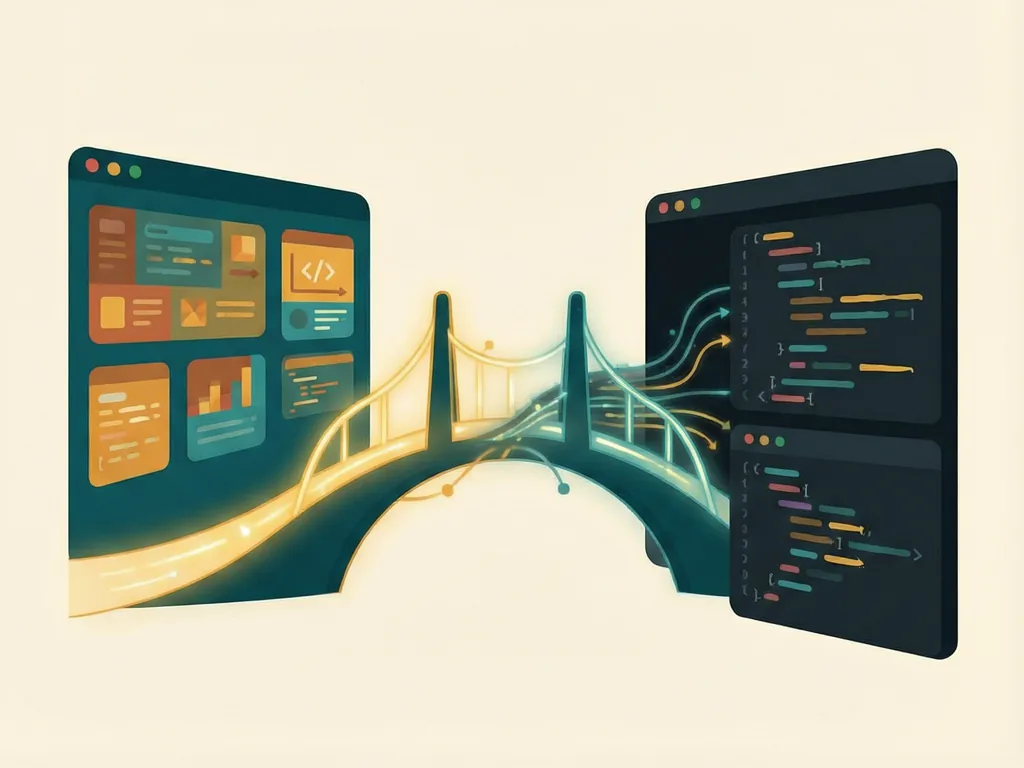
This integration attacks that problem at the workflow level. When the coding agent and the design tool are connected, the gap between "what was designed" and "what was built" shrinks. Teams can spot issues earlier, try variations faster, and ship changes without waiting for a formal handoff cycle.
It also reflects a broader shift in how AI coding tools are being positioned. Rather than sitting apart from the tools teams already use, agents like Codex are being embedded directly into existing workflows. Figma, which is already where many product teams live day to day, is a natural home for that kind of collaboration.
What Teams Can Expect Day to Day
For engineers, the practical promise is context-aware assistance: rather than describing a UI element in words, Codex can work from the actual design. That should reduce the guesswork involved in translating frames, spacing, and states into code.
For designers, the benefit is visibility. When implementation is connected to the canvas, it becomes easier to see what's actually shipped and to flag drift early — before small deviations compound into a redesign.
For managers and leads, the pitch is efficiency. Faster iteration loops mean shorter time from idea to shipped feature, and fewer meetings spent reconciling design and code.
As with any newly launched integration, real-world results will depend on how well it handles the messy details of actual codebases and complex design systems. Early adopters will be the ones to find out where the seams are. But the direction is clear: the wall between design and engineering is getting thinner, and AI agents are increasingly the ones holding the door open.
The Bigger Picture
This launch fits into a competitive wave of AI-assisted design and development tools. Toolmakers are racing to connect generation, editing, and implementation into single workflows, and partnerships like this one — pairing a leading AI lab with the dominant design platform — signal where the industry is heading. For teams, the takeaway is worth noting even if they don't adopt it immediately: the tools they use are converging, and the workflows built around separate design and coding environments may look very different in a year or two.

Comments (0)