
Secure your AI agents with this free Model Context Protocol security course.
This free course explains AI agent risks via private data, untrusted input, and outbound channels, and how architecture can separate them.
Key Takeaways
- freeCodeCamp.org released a free 2-hour MCP Security Fundamentals course for developers using Model Context Protocol to connect LLMs to external tools, databases, and APIs.
- MCP-powered AI agents introduce new security risks because non-deterministic agents can act on untrusted content and trigger command injection, privilege escalation, or token leakage.
- The course uses Simon Willison’s “Lethal Trifecta” framework: private data access, untrusted content ingestion, and external communication create a dangerous attack path for prompt-driven exploitation.
- Recommended defense is architectural separation, not just prompt filters: split capabilities so no single agent can access private data, process untrusted content, and send data outward at the same time.
- The course emphasizes that MCP agent security depends on tool safety, permission design, and data-flow control, not only model safety.
Meta description: freeCodeCamp.org published a 2-hour MCP Security Fundamentals Course on its YouTube channel, covering AI agent exploitation and defense using the Lethal Trifecta.
Tags: MCP Security, AI Agents, Prompt Injection, freeCodeCamp, Lethal Trifecta
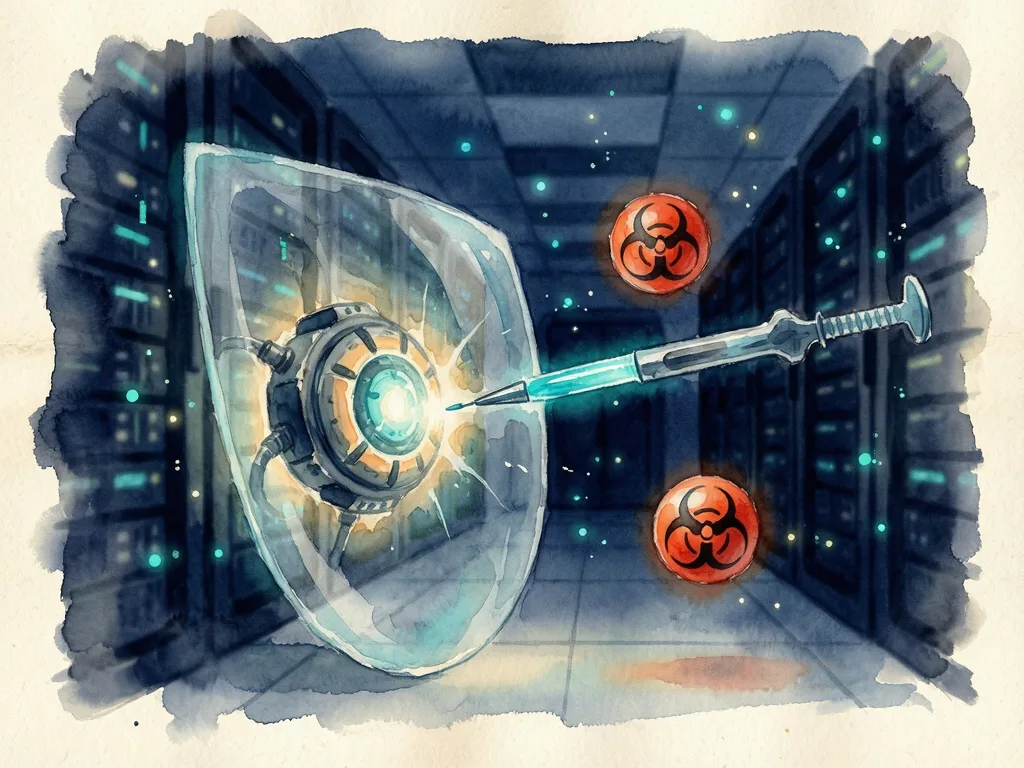
Featured image: abstract, friendly illustration style with no real people, no logos, and no text, showing a small autonomous agent connecting a secure vault, an open inbox, and an outgoing message pipe, while a shield separates the agent from untrusted content.
What freeCodeCamp published
freeCodeCamp.org has published a free MCP Security Fundamentals Course on the freeCodeCamp.org YouTube channel. The 2-hour watch is built for developers and teams using the Model Context Protocol, or MCP, to connect large language models, or LLMs, to external tools, databases, and application programming interfaces, or APIs.
The core warning is simple: MCP makes AI agents more useful because it gives them ways to act outside the model. That same usefulness creates a new security problem. An agent that can read sensitive information, accept untrusted content, and send data somewhere else can be steered into harmful behavior if those capabilities are not separated carefully.
Why agent security differs from traditional application security
Traditional application security is usually built around deterministic code and predictable interactions. A developer writes a function, controls its inputs, and expects a known result. Even when a human or machine uses the application, the rules are mostly fixed by the code.

AI agents change that model. A non-deterministic decision-maker enters the application logic. The agent can read a page, email, ticket, issue, or schema, then decide which tool to call and what data to pass. That decision-making process is useful, but it also means classic bugs can appear in new places.
The course highlights command injection, privilege escalation, and token leakage as risks when an agent acts on untrusted data. The danger is not only that a flaw exists, but that an agent can move through systems quickly, turning a small input problem into a broader operational failure.
The Lethal Trifecta framework
Throughout the course, Dan frames agent exploitation around Simon Willison’s “Lethal Trifecta” framework. The framework describes a dangerous combination of three capabilities that, when present together, can make an AI agent structurally vulnerable to prompt-driven exploitation.
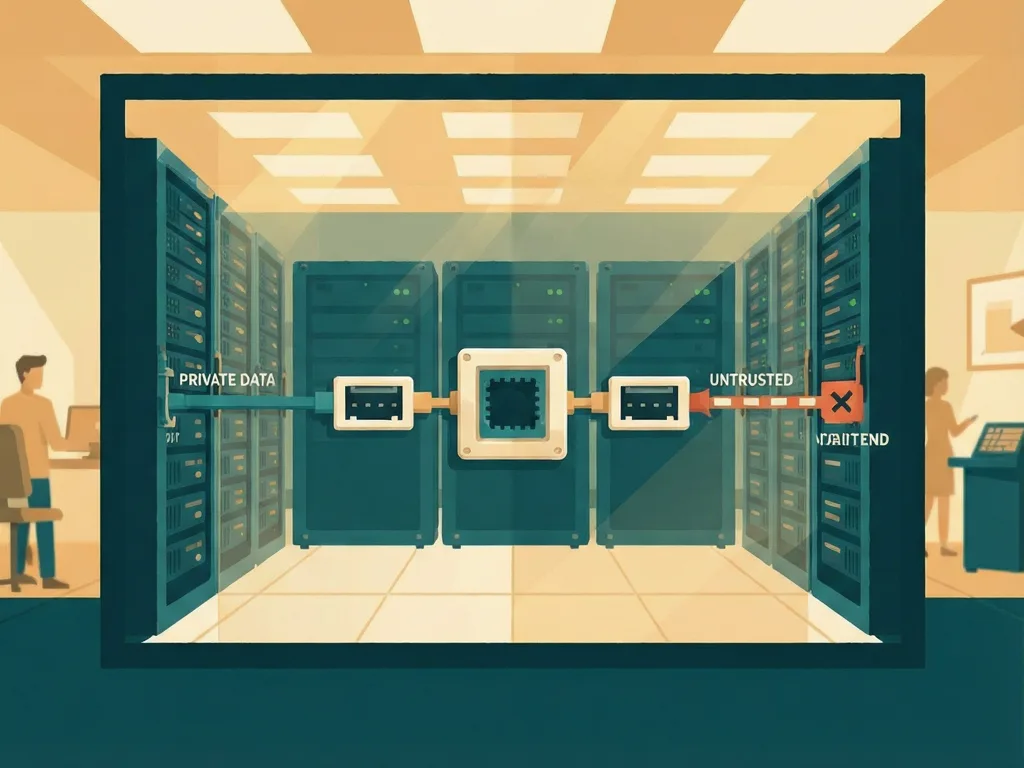
Private Data
The first capability is access to private data. This can include sensitive internal records, source code, credentials, or private databases. An agent with this access can retrieve information that should not be visible to outside users or untrusted inputs.
Untrusted Content
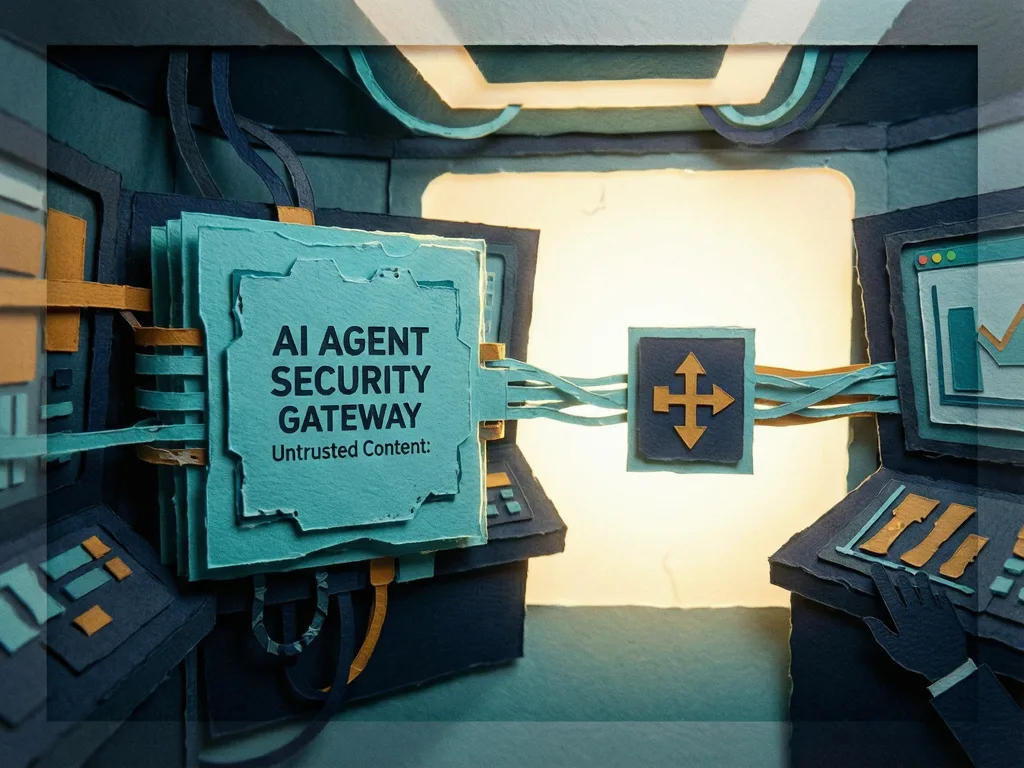
The second capability is ingestion of untrusted content. The course lists web pages, emails, customer tickets, public issues, and third-party tool schemas as examples. These sources may contain instructions that are not meant to be followed, but an agent may still interpret them as tasks.
External Communications
The third capability is the ability to communicate outward. The course identifies webhooks, markdown rendering, emails, and API calls as possible paths for data to leave the system. If an agent can send information outside, private data may be exposed through one of these channels.
How the course suggests defending agents
The main defensive idea is to break the trifecta through architectural boundaries. The course argues that teams should not rely only on brittle prompt filters. A prompt can tell an agent what to avoid, but the architecture can make certain actions impossible by design.
That means separating the agent’s access to private data from its access to untrusted content and from its ability to transmit data outward. If one agent cannot hold all three capabilities at once, the attack path becomes harder to complete. The course walks through the mechanics of exploitation and then focuses on defenses that reduce the chance that ordinary content becomes a hidden instruction.
What readers can take from the release
For readers building MCP integrations, the course is a practical reminder that AI agent security is not just model safety. It is also tool safety, permission design, and data-flow control. The value of MCP is that it connects LLMs to real systems. The risk is that those systems may have side effects, secrets, and communication paths.
The freeCodeCamp.org YouTube channel offers the full 2-hour course for free, giving teams a structured way to review agent exploitation patterns before hardening their own AI agent integrations.



Comments (0)