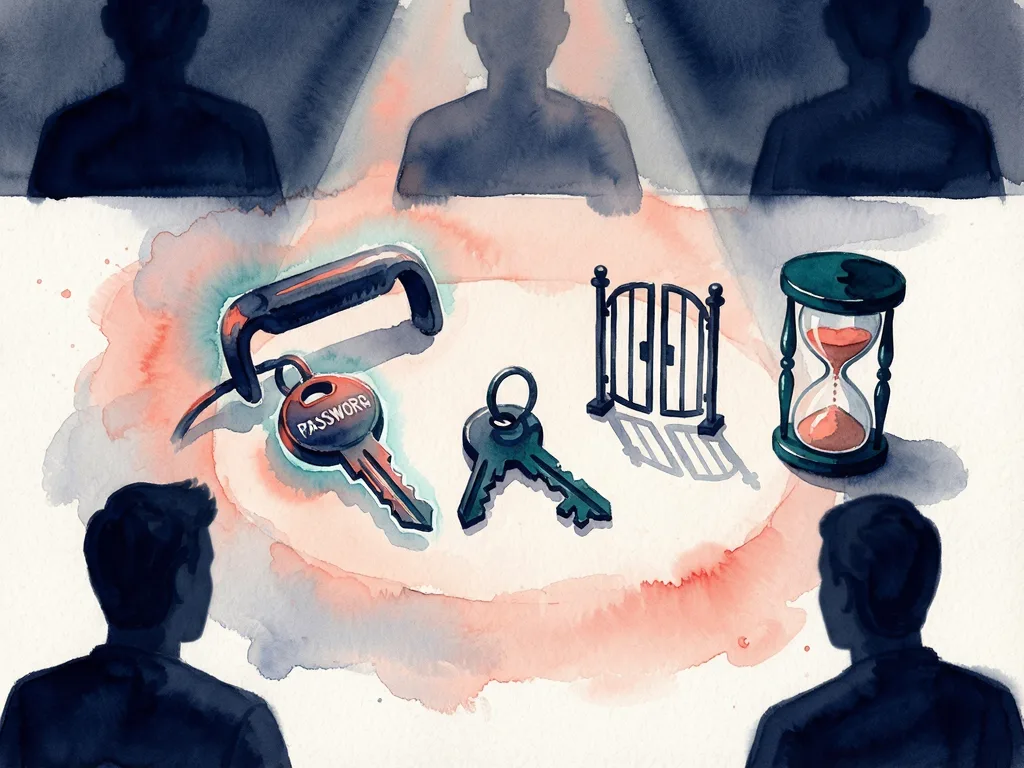
MCP’s Largest Update Helped AI Agents Scale—and Transformed a Prompt into a Password.
MCP's stateless update scales agents but exposes handles in prompts; servers must verify signature, audience, expiry, and caller to block hijacking.

MCP's stateless update scales agents but exposes handles in prompts; servers must verify signature, audience, expiry, and caller to block hijacking.
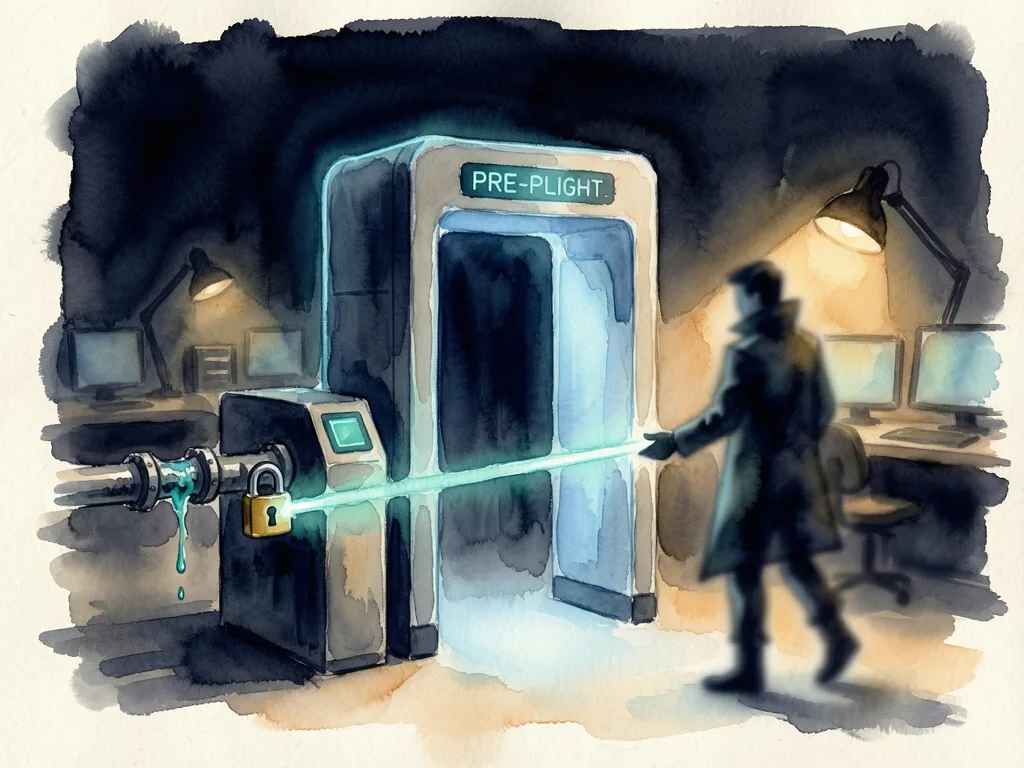
A step-by-step guide to a 148-line Python preflight scan that checks secrets and injection risks before AI agents access a project.
OpenAI has introduced two enterprise security features for ChatGPT: Lockdown Mode and Elevated Risk labels. Lockdown Mode restricts risky capabilities that attackers exploit, breaking the chain of pro…
OpenAI's ChatGPT Atlas browser can click, type, and navigate on users' behalf, making it a target for prompt injection attacks where hidden web page instructions trick the AI into harmful actions. Ope…
AI agents that take real actions face unique security risks like prompt injection and social engineering. This article explains ChatGPT's defense strategy: constraining risky actions through confirmat…
Large language models remain vulnerable to prompt injections and jailbreak attacks that replace built-in instructions with malicious prompts. Establishing an instruction hierarchy teaches LLMs to prio…
GPT-Red is OpenAI's automated red teaming system that uses self-play to strengthen AI model safety. An attacker AI generates adversarial prompts while a defender model resists them, creating a continu…
Prompt injection is an emerging AI security threat where attackers sneak malicious instructions into input text, tricking AI models like GPT into overriding their original rules. Because language mode…