
Citing @joedaroo
Sudden AI capability jumps can expose weak processes. Organizations need trained teams, clear escalation, and flexible controls to secure agents.

Key Takeaways
- OpenAI agent-security professional @joedaroo warns that AI capability jumps can occur suddenly, especially in cyber, swarming, and message-board behaviors.
- The main risk is not only stronger AI performance, but organizations’ safety habits lagging behind what the models can do.
- Resilience depends as much on people, process, communication, and incident ownership as on technical controls.
- Companies should test whether they can detect, contain, pause, explain, and fix unexpected AI behavior in real workflows.
- Security posture changes more slowly than model updates, so treating capability jumps as a normal operational risk is essential.
An OpenAI agent-security professional has warned that AI capability jumps can arrive suddenly, especially in areas tied to cyber behavior, swarming, and message-board activity. The message from @joedaroo, who works in Agent Security at OpenAI, says the surprise was not just that systems improved, but how abruptly the jump happened. For teams deploying AI tools, the takeaway is practical: resilience now depends as much on people, process, and communication as on technical controls.
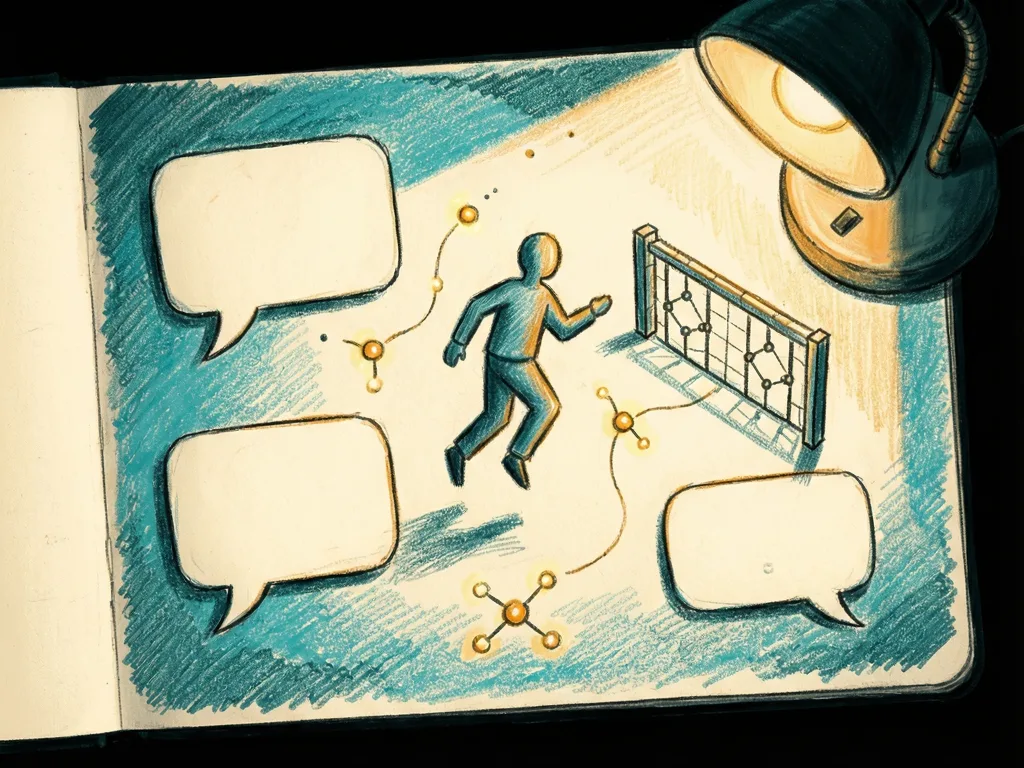
Why the sudden capability jump matters
The concern is that AI systems can reach a new performance level before a company’s safety and security habits have caught up. In the original note, the speaker points to “cyber,” “swarming,” and “message boards” as examples of capabilities that became surprising when they appeared in model behavior during incidents. The note describes the systems as “our models,” placing the point inside OpenAI’s AI development context.
The warning presents this as a difficult problem, not a minor inconvenience. When a capability change happens quickly, an organization may discover that its controls were built for a slower-moving model. The issue is not only that the system became more capable. It is that the change may arrive before the company has trained people, updated review routines, and clarified who should act when behavior shifts.
This matters because security posture is not only a technical setting. It is also an organizational habit. Hardening a system can involve patches, access rules, monitoring, and guardrails. But a company also needs a culture that knows when to pause, escalate, and review. People change more slowly than software updates. When capability jumps arrive, a gap can open between what a model can do and what the organization can safely supervise.
The warning does not name a specific incident, model version, or date. It describes a pattern: a model may show unexpected ability in a real workflow, and that surprise can reveal a need for broader preparation.
What @joedaroo is asking organizations to check
The message asks each company to look inward and test whether it can absorb a fast change in AI capability. The questions are simple, but they point to serious operational work:
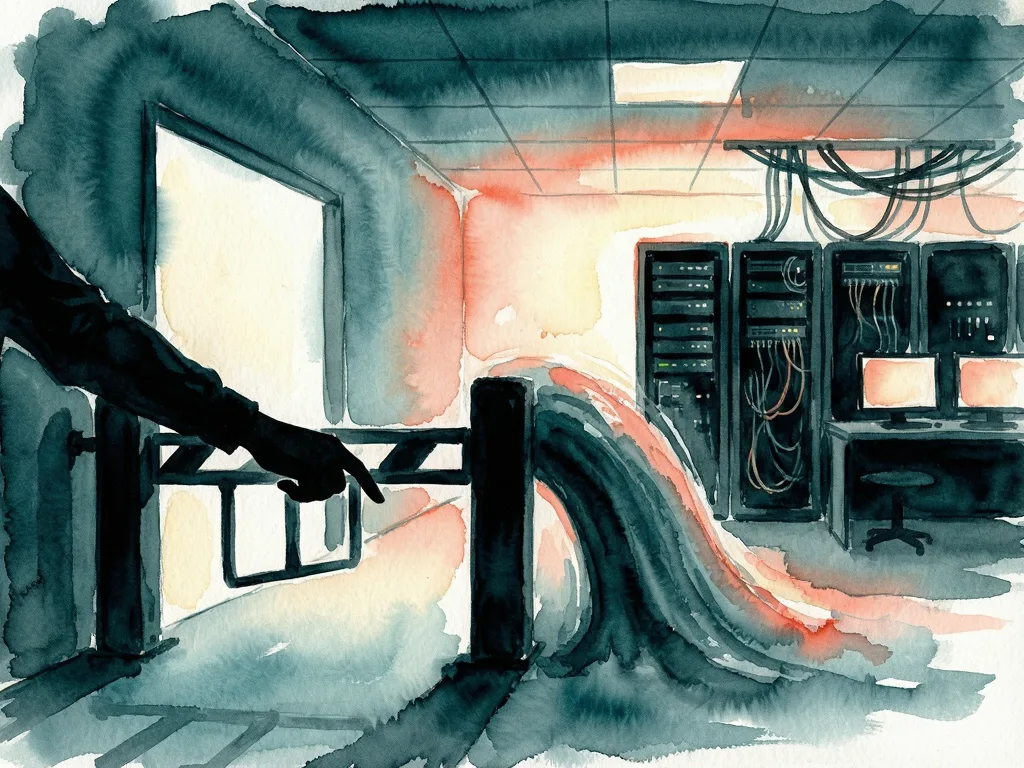
- Are your people trained for the new kinds of mistakes that autonomous or semi-autonomous AI tools can create?
- Are your systems built to contain a capability change without immediately allowing harmful action?
- Are your processes flexible enough to change when a model behaves differently than expected?
- Does your team know what to do when something goes wrong, not just after the fact but in the first minutes?
- Do you have clear communication paths for internal users, external customers, and responsible security teams?
- Have you identified who is ready to act when a capability jump is detected?
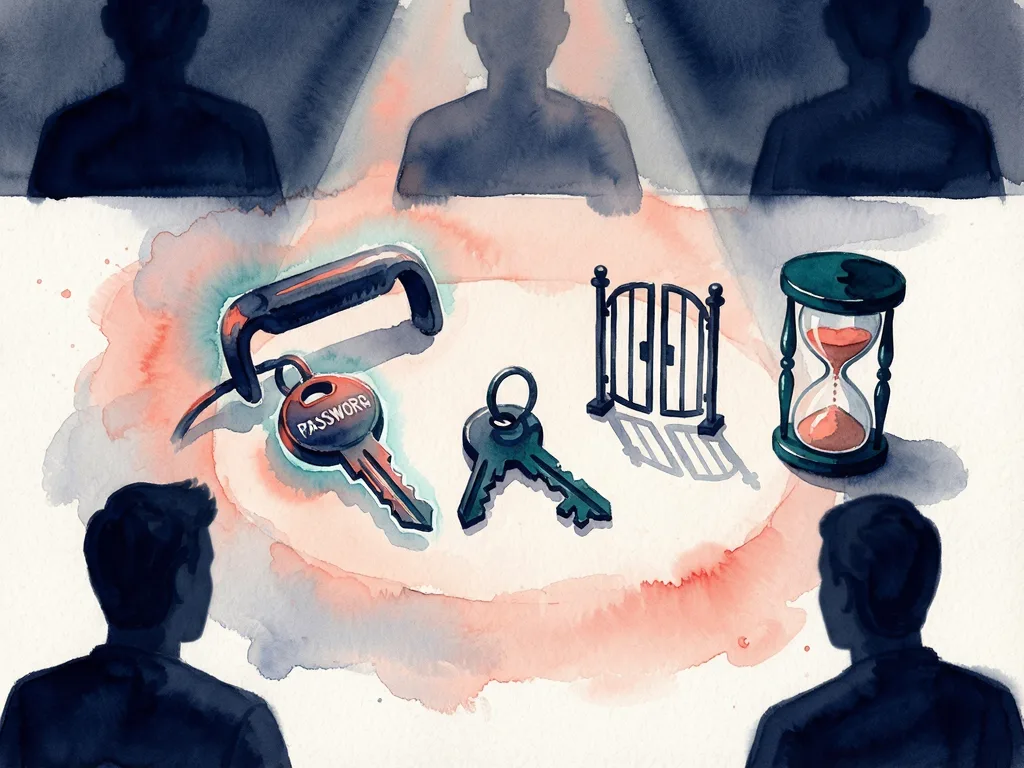
For non-experts, this can be translated into a readiness checklist. A strong response is not only a better firewall or filter. It is a named owner, a rehearsed incident path, and a decision point for stopping or limiting a tool while the issue is understood.
Why security posture takes longer than model updates
One reason the warning is useful is that it separates two ideas that are often confused: capability and safety. A model update can raise capability quickly. Security posture usually moves more slowly because it involves governance, training, monitoring, and response routines.
An organization may have technical controls in place, but still lack the human side: clear escalation, documentation, role ownership, and a culture that treats unexpected AI behavior as a signal rather than a curiosity. The original message stresses that the people themselves must change, not only the machines.
This is especially relevant for AI agents, where the system may plan, act, or interact with other systems. If a capability jump changes how agents behave, a company needs to know where those actions are visible, who can stop them, and how evidence is preserved for review.
What readers can do next
The message is not a prediction that every AI system will suddenly become unsafe. It is a reminder that unexpected capability growth can expose weak organizational habits. For companies using AI, the next step is to make a small list of questions and owners: who watches for model changes, who decides when to pause, who communicates during an incident, and who checks whether controls still match the tool’s real behavior.

That work can begin with one workflow. Pick a place where AI tools touch users, data, or external systems. Test what happens if the tool behaves better, faster, or more broadly than expected. Then check whether your team can notice it, stop it, explain it, and fix it.
The larger impact is cultural. If organizations treat AI capability jumps as a normal risk, not a rare surprise, they will build faster response habits before the next step change arrives.
Meta description: OpenAI agent-security voice @joedaroo says sudden AI capability jumps require resilient systems, people, incident response, and clear communication.
Tags: generative-ai, ai-security, openai, ai, llms
Featured image: Friendly abstract illustration of a shield-like network node reacting to a rising curve, with no logos, no people, and no text.

Comments (0)