
A look at how Praktika uses conversation-driven methods to teach languages
Praktika is a mobile-first language learning app that pairs learners with AI avatar tutors powered by OpenAI's GPT-4.1 and GPT-5.2. GPT-4.1 keeps conversations fast and natural, while GPT-5.2 delivers deeper feedback, lesson planning, and adaptive difficulty. The app personalizes lessons based on your level, goals, and mistake patterns, and tracks progress across fluency, pronunciation, grammar, and vocabulary.

If you've ever tried learning a language with a generic app, you know the frustration: the same canned exercises, the same rigid lesson order, no awareness of what you actually struggle with. Praktika takes a different approach. This language learning app pairs you with an AI avatar tutor that talks with you like a real person, adapts to your level, and builds lessons around your specific goals. In this review-style walkthrough, we'll look at how Praktika uses OpenAI's GPT-4.1 and GPT-5.2 to create tutors that personalize lessons, track your progress, and push you toward genuine, real-world fluency — and whether it's worth your time and money.

What Praktika Actually Is
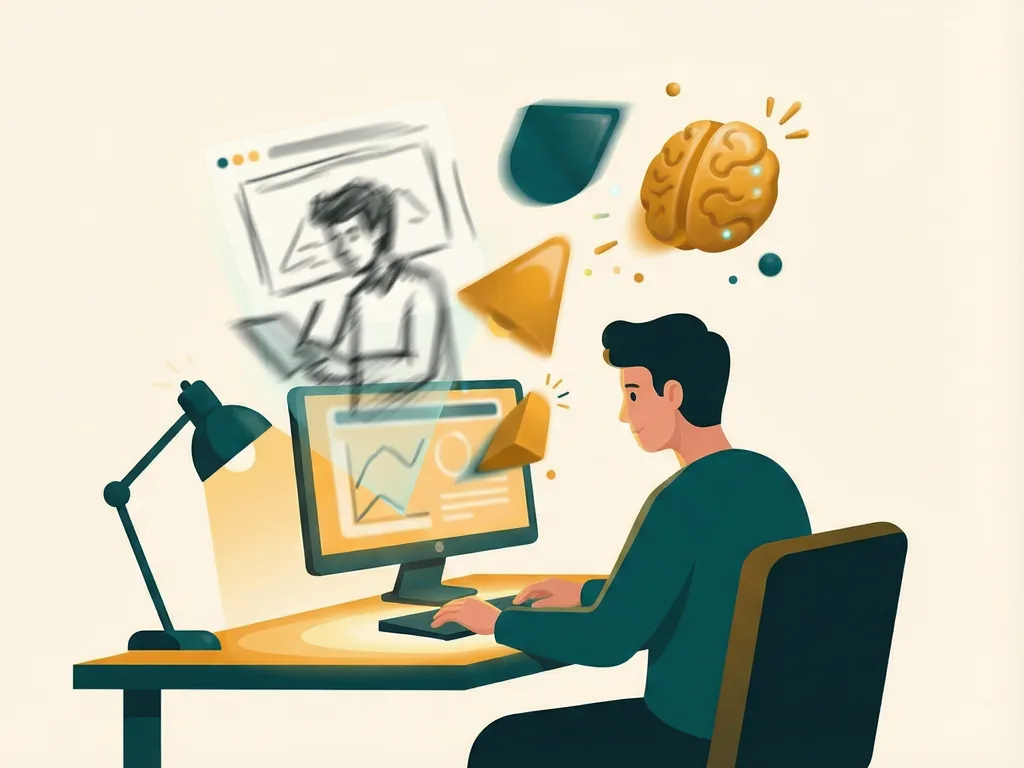
Praktika is a mobile-first language learning app built around conversational practice. Instead of tapping matching pairs or filling in blanks, you speak with an animated AI avatar that responds in real time. The tutors cover several languages, with English being the strongest offering, and each avatar has its own personality, accent, and teaching style.
The core idea is simple: the fastest way to fluency is speaking, and most learners don't have a patient native speaker available at all hours. Praktika's AI tutor fills that gap. You can practice a job interview, order food at a restaurant, or just chat about your day — and the tutor responds naturally, gently correcting mistakes along the way.
Under the hood, this natural conversation is powered by large language models, and this is where GPT-4.1 and GPT-5.2 come in.
How GPT-4.1 and GPT-5.2 Work Together
Praktika doesn't rely on a single model bolted to a script. It layers newer and older generations of OpenAI models to balance quality, speed, and cost.
GPT-4.1 handles much of the day-to-day conversational workload. It's fast enough to keep dialogue feeling live, which matters enormously when you're speaking out loud and waiting for a reply. A tutor that takes ten seconds to answer breaks the illusion of conversation; GPT-4.1 keeps responses snappy.
GPT-5.2, the more capable and recent model, is used where deeper reasoning pays off. That includes evaluating your responses more precisely, planning longer-term lesson pathways, giving nuanced feedback on grammar and word choice, and adapting difficulty on the fly. When the app needs to understand why you made a mistake — say, confusing present perfect with simple past — and explain it clearly in your level of English, the stronger model earns its keep.

The practical result for learners: conversations feel immediate, but the feedback and personalization feel considered. That combination is hard to achieve with either model alone.
Personalization: Lessons That Fit You
This is where Praktika separates itself from flashcard-style apps. The tutor builds a picture of you over time:
- Your level. From your first conversation, the AI assesses vocabulary range, grammar accuracy, and fluency, then calibrates its own speech and lesson difficulty to sit just above your comfort zone — the sweet spot for learning.
- Your goals. Tell the tutor you're preparing for a work presentation or an IELTS-style speaking test, and lessons shift toward that context. The scenarios, vocabulary, and feedback all follow.
- Your mistakes. Every error you make gets logged. The tutor notices patterns — maybe you consistently drop articles or mispronounce the "th" sound — and weaves targeted practice into future sessions rather than making you redo generic drills.
Because a large language model drives the conversation, no two learners get identical lessons. Two beginners studying the same topic will hear different questions, different examples, and different corrections based on how they actually talk.
Progress Tracking That Means Something
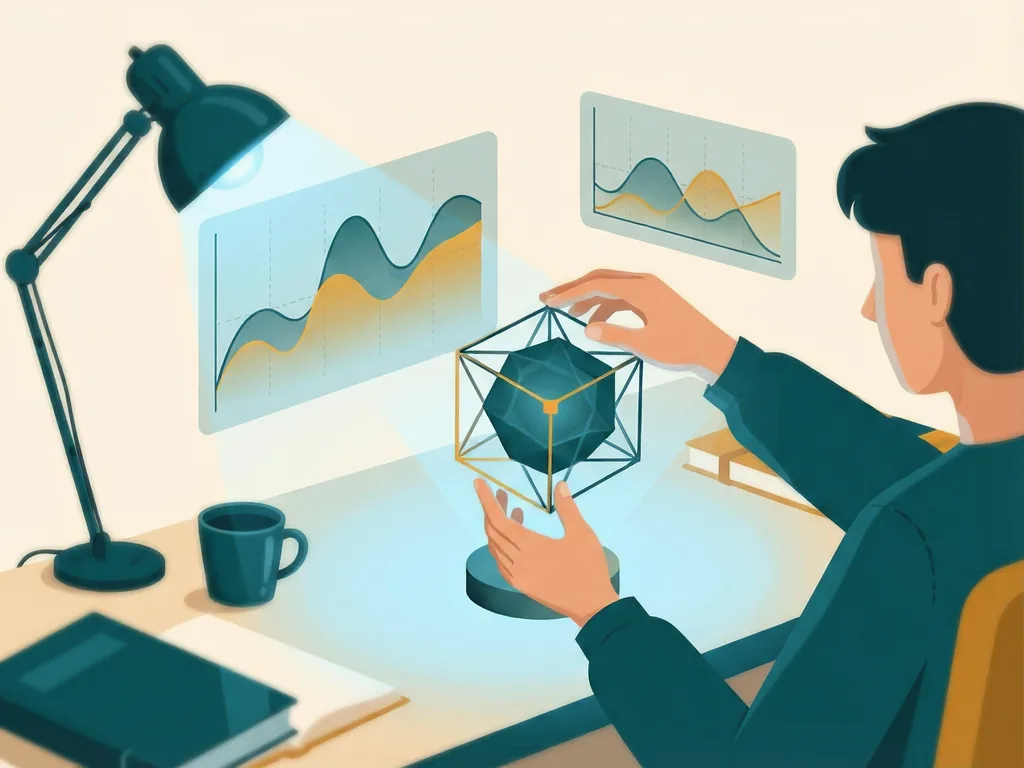
Praktika doesn't just track streaks. The app maps your performance across skills — fluency, pronunciation, grammar, vocabulary — and shows how each evolves over sessions. After a conversation, you typically get a summary of what went well, what to work on, and how this session compares to earlier ones.
This matters because "fluency" is vague and easy to fake with gamified metrics. Seeing your grammar accuracy trend upward over weeks, or your average response time shrink, gives you something concrete. The AI tutor also uses this data itself, adjusting what it drills with you next time. In other words, the progress tracking isn't just a report card — it feeds back into the personalization loop.
Toward Real-World Fluency
The honest test of any language app is whether it prepares you for conversations with actual humans. Praktika's strengths here are obvious: unlimited speaking practice without embarrassment, realistic roleplay scenarios, and a tutor that responds to what you actually said rather than a multiple-choice answer.
Limitations worth noting: an AI avatar can't fully replicate the unpredictability of human conversation — background noise, interruptions, cultural subtext, or the pressure of talking to a stranger. Pronunciation feedback, while improving, is analysis of audio rather than a human coach's ear. And as with any AI product, conversational quality depends on the underlying models, which update over time, so the experience can shift between versions. Pricing and subscription details change periodically, so check the app for current rates before committing.

That said, for building the confidence and habit of speaking, the roleplay approach gets you much closer to real-world readiness than passive study ever will.
Who Should Use It / Who Should Skip It
Use Praktika if you:
- Want lots of low-pressure speaking practice that a human tutor would make expensive or awkward
- Are preparing for a specific real-world scenario — interviews, travel, workplace English
- Have stalled with gamified apps and need actual conversation
- Appreciate structured progress data rather than just streaks
Skip it if you:
- Prefer human interaction and can afford regular lessons with a native speaker
- Are learning a language Praktika doesn't support well
- Want strict, exam-board-aligned preparation with official materials (an AI tutor complements but doesn't replace this)
- Dislike AI avatars or find synthetic voices off-putting
For learners who need a patient, always-available conversation partner that remembers their weaknesses and targets them, Praktika's GPT-4.1 and GPT-5.2-powered tutors represent one of the more genuinely adaptive takes on AI language learning available today.
Meta description: Discover how Praktika's AI tutors use GPT-4.1 and GPT-5.2 to personalize language lessons, track progress, and build real fluency.
Tags: Praktika, AI language learning, GPT-4.1, GPT-5.2, AI tutor
Featured image: A friendly abstract illustration of a smiling chat-bubble avatar conversing with a learner's speech bubbles, in soft warm gradient colors, with floating progress charts in the background. No real people, no logos, no text.

Comments (0)