
Integrating ChatGPT into GenAI.mil
OpenAI for Government has announced that a custom version of ChatGPT is being deployed on GenAI.mil, the Department of Defense's platform for AI tools. The secure, safety-focused assistant will help defense personnel with tasks like drafting documents, summarizing information, and streamlining administrative work—without replacing human judgment. The deployment highlights the growing role of AI in government operations.

If you work in government, defense, or simply follow how AI is entering public institutions, here's a development worth knowing about: OpenAI for Government has announced that a custom version of ChatGPT is being deployed on GenAI.mil, the Department of Defense's platform for artificial intelligence tools. The rollout is designed to give U.S. defense personnel access to secure, safety-conscious AI assistance in their daily work. This article explains what the deployment involves, why it matters, and what it signals about the growing role of AI in government operations.

What Is GenAI.mil?
GenAI.mil is the Department of Defense's dedicated environment for generative AI tools. Think of it as an internal hub where defense teams can use AI systems that have been vetted for security and configured to meet government requirements. Rather than individual units or offices improvising with consumer-grade tools, the platform provides a centralized, controlled way to bring AI into official workflows.
The addition of a custom ChatGPT to this platform means defense personnel will interact with a version of the assistant built specifically for their context — not the same product a typical consumer opens in a browser, but one shaped around government security standards and operational needs.
What OpenAI for Government Actually Does
OpenAI for Government is the company's initiative focused on serving public-sector customers, including national security and defense organizations. The goal is straightforward: adapt OpenAI's technology so it can be used safely in environments where data protection, reliability, and responsible use are non-negotiable.
The deployment on GenAI.mil reflects that mission in practice. The custom ChatGPT described in the announcement emphasizes two qualities in particular — security and a safety-forward design. In plain terms, that means the system is intended to handle sensitive government work without exposing information improperly, and it has been built with guardrails appropriate to defense settings.
Why a Custom Version Matters
You might wonder why the Department of Defense wouldn't simply use the standard ChatGPT. The answer comes down to control and trust.

A custom deployment allows the government to set boundaries around how the tool operates, where data goes, and what the assistant can and cannot do. For defense teams, that matters enormously. Federal agencies handle classified and sensitive material, operate under strict compliance rules, and can't risk information leaking through everyday software tools.
By configuring ChatGPT specifically for GenAI.mil, OpenAI and defense officials can align the tool with those requirements from the ground up — rather than trying to retrofit a consumer product onto government needs after the fact.
What This Means for Defense Teams in Practice
For the people actually using it, the deployment is about practical help with everyday work. AI assistants like ChatGPT are generally used for tasks such as drafting and summarizing documents, organizing information, answering questions, and speeding up administrative work. Within a defense context, a secure version of these capabilities could help personnel spend less time on routine writing and information-processing tasks and more time on the work that genuinely requires human judgment.
It's worth being clear about the limits of what has been announced. The announcement describes a deployment focused on secure, safety-forward assistance — it does not describe autonomous weapons or AI making operational decisions. The framing centers on supporting defense teams with tools, not replacing human decision-making.
The Bigger Picture: AI and Government Adoption
This announcement fits into a broader pattern. Across the U.S. government, agencies have been moving from experimenting with AI to actually deploying it in day-to-day operations. OpenAI has been building out its government-facing work through OpenAI for Government, and other major AI companies have pursued similar public-sector partnerships.
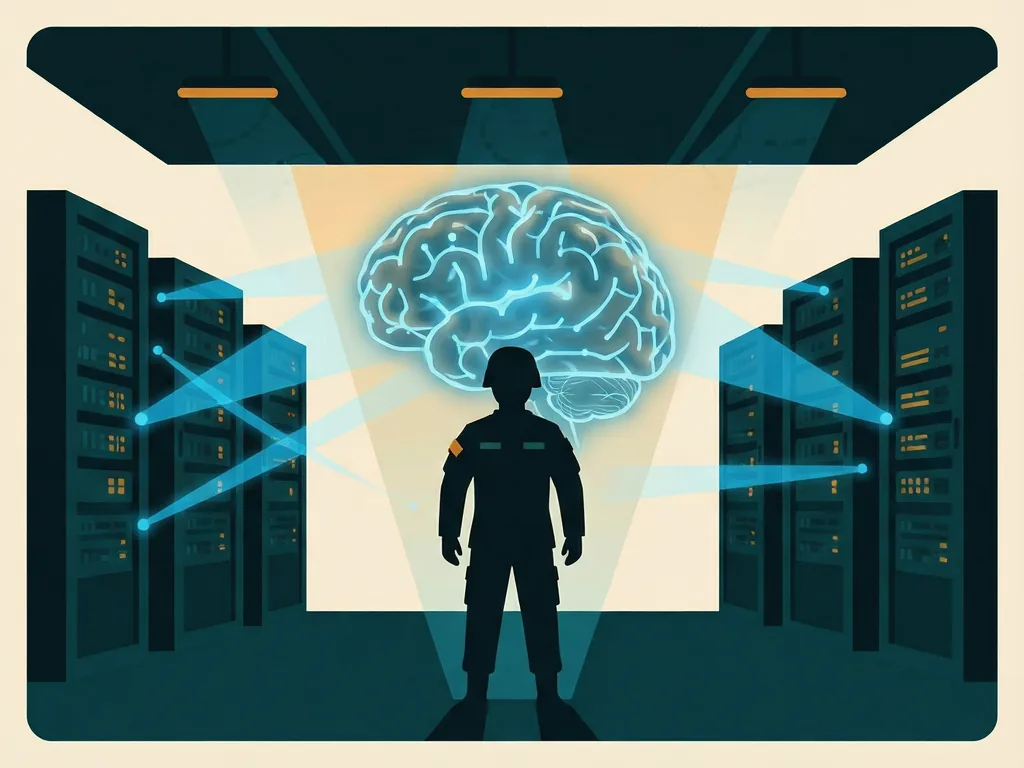
For OpenAI, defense work represents a significant expansion of its customer base beyond businesses and consumers. For the Department of Defense, partnering with leading AI labs is part of an effort to keep pace with how quickly this technology is developing — including how other nations may be adopting it.
The deployment also highlights an important trend: the rise of specialized AI environments like GenAI.mil. Instead of treating AI as one generic tool, large institutions are building dedicated platforms where multiple AI systems can operate under shared security and governance rules. That approach gives organizations more oversight while still letting them take advantage of fast-moving commercial AI innovation.
Questions That Remain Open
As with any government AI deployment, some practical questions will only be answered over time. How widely will the custom ChatGPT be rolled out across defense teams? What specific use cases will personnel apply it to first? How will its performance be evaluated, and what feedback loops will shape future versions?
The announcement itself doesn't detail every implementation choice, so it's reasonable to treat this as a beginning rather than a finished picture. What's clear is the direction: generative AI is moving deeper into official government infrastructure, with security and safety positioned as guiding principles.
The Takeaway
OpenAI for Government's deployment of a custom ChatGPT on GenAI.mil marks a notable step in bringing secure, safety-focused AI to U.S. defense personnel. For those inside the defense community, it promises practical AI assistance within a controlled, government-grade environment. For everyone else, it's a signal of where things are headed — AI tools aren't just for offices and smartphones anymore; they're becoming part of how large institutions operate, wrapped in the security and oversight those institutions require. As the rollout progresses, it will be worth watching how the technology is used, what lessons emerge, and how it shapes the wider conversation about AI in the public sector.
Comments (0)