
The guiding philosophy behind the Sora feed
OpenAI's Sora app video feed is guided by three pillars: creativity, connection, and safety. Unlike feeds designed to maximize watch time, Sora aims to inspire users to create. Social features foster community through sharing and remixing, while safety layers—including personalized recommendations, parental controls, and content guardrails—keep the experience healthy and secure.

If you have been curious about OpenAI's Sora app and how its video feed works, this guide is for you. Whether you are a casual viewer, a creator looking to share AI-generated videos, or a parent wondering how the app handles younger users, understanding the thinking behind the feed will help you get more out of it. This article walks you through the three core pillars of the Sora feed philosophy—creativity, connection, and safety—and explains how they show up in everyday features like personalized recommendations, parental controls, and built-in guardrails.

A Feed Built to Spark Creativity
Most video feeds are designed with one goal: keep you watching. Sora takes a different starting point. Its feed is meant to inspire you to create, not just consume.
When you scroll through Sora, you are not only seeing finished videos—you are seeing what is possible with AI video generation. A clip of a whimsical animated scene or a surreal short film can act as a prompt for your own imagination. The feed surfaces a variety of styles and ideas so that each browsing session can become a source of inspiration rather than passive entertainment.
This creative-first approach also influences how recommendations work. Instead of only showing you more of what you already watched, the feed aims to introduce variety that might spark a new idea. The goal is a healthy loop: you watch, something catches your interest, and you feel motivated to try making something yourself.
Fostering Real Connections
The second pillar of the philosophy is connection. Sora is not designed to be a solitary viewing experience. Sharing what you create, remixing ideas, and seeing what friends and others in the community are making are all central to the app.
Social features are woven into the feed so that discovery feels personal. You can follow creators whose work you enjoy, react to videos, and build a sense of community around shared creative interests. This matters because creativity often grows through interaction—seeing someone else's approach to a prompt can unlock ideas you would never have had alone.
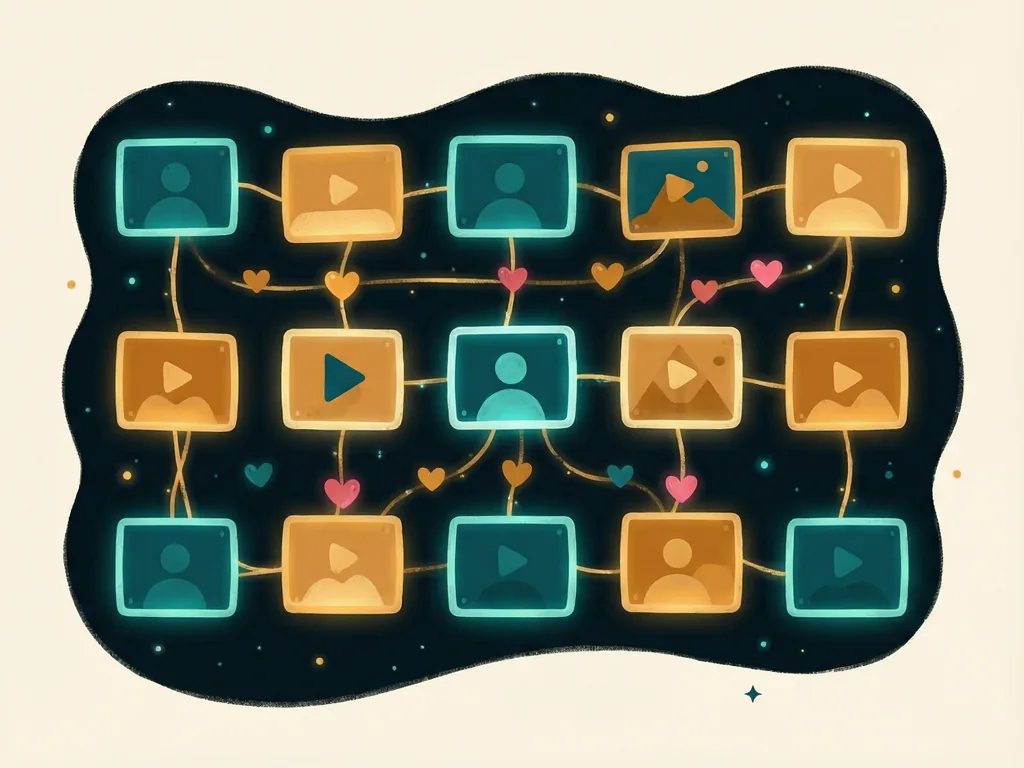
At the same time, connection on Sora is designed to feel manageable rather than overwhelming. The app emphasizes meaningful discovery over endless scrolling, which ties directly into the third pillar: keeping the experience safe and healthy.
Keeping Experiences Safe with Strong Guardrails
Safety is the foundation that makes the first two pillars work. A feed full of creativity and connection is only valuable if people feel comfortable using the app, and OpenAI has built several layers of protection into the experience.
Personalized recommendations. The feed adapts to what you actually engage with, aiming to show content that fits your interests rather than pushing whatever is trending. This personalization helps reduce exposure to content you would rather not see.
Parental controls. Families get tools to manage how the app is used. Parents can set boundaries for younger users, which means teens and kids can explore creative AI video with appropriate oversight. This is especially important for a platform built on generative technology, where content can be produced quickly and in large volume.
Content guardrails. Sora applies restrictions to what can be generated and shared. These guardrails are meant to prevent harmful, deceptive, or inappropriate content from spreading through the feed. Like any moderation system, they are not perfect, but they represent a deliberate design choice: safety features are part of the product from the start, not bolted on later.
What This Means for You as a User
Understanding this philosophy can actually change how you use the app. Here are a few practical takeaways:
- Treat the feed as an idea engine. When a video catches your eye, think about how it was made and what prompt or style might have produced it. Let it inform your own next creation.
- Engage intentionally. Liking, following, and interacting helps the recommendations serve you better. The more thoughtful your engagement, the more useful your feed becomes.
- Use the safety tools available. If you are a parent, take time to explore the parental controls and set them up properly. If you are an adult user, familiarize yourself with community guidelines so your creations stay within the rules.
- Expect evolution. AI video platforms are new, and features like recommendation tuning and moderation continue to develop. Feedback from users plays a role in shaping how these systems improve over time.
The Bigger Picture
Sora's feed philosophy reflects a broader conversation about what social video should look like in the age of generative AI. Traditional feeds have been criticized for encouraging doom-scrolling and passive consumption. By framing the feed around creativity first, connection second, and safety as the underlying layer, OpenAI is betting that people want tools that help them make things—not just platforms that hold their attention.
Whether that bet pays off depends on how well the philosophy holds up in practice. Personalized feeds always involve trade-offs, and guardrails will need ongoing refinement as creative tools become more powerful. But for users, the direction is clear: the app wants you to watch less passively and create more actively, in an environment designed to feel safe for a wide range of people, including families.
If you are just getting started with Sora, keep these three ideas in mind. They explain most of what you will notice in the app, from why certain videos appear in your feed to why certain features exist at all—and they can help you use the platform in a way that is genuinely creative and rewarding.
Comments (0)