
Recursa is advancing toward foundation model systems capable of recursive self-improvement.
Recursa helps AI models learn new fields by generating tasks, practicing, and storing self-derived skills, improving Harvey LAB pass rates.
Key Takeaways
- Recursa enables foundation models to learn new domains from their own experience without requiring human experts or stronger teacher models.
- It uses two stages: bootstrapping a knowledge repository to address the knowledge gap, and recursive self-improvement to address the behavior gap.
- On Harvey LAB’s Firm Knowledge benchmark, Recursa raises all-pass rates from 30.0% to 55.0% with DeepSeek-V4.1-Flash and from 35.0% to 46.0% with Qwen3.8-Flash.
- The method is most relevant when expert data, supervision, or teacher models are limited, though the results are not a universal guarantee.
Meta description: Recursa helps foundation models learn new domains by storing self-derived skills and raising Harvey LAB Firm Knowledge all-pass rates to 55.0% and 46.0%.
Tags: Recursa, foundation models, Harvey LAB, DeepSeek-V4.1-Flash, Qwen3.8-Flash
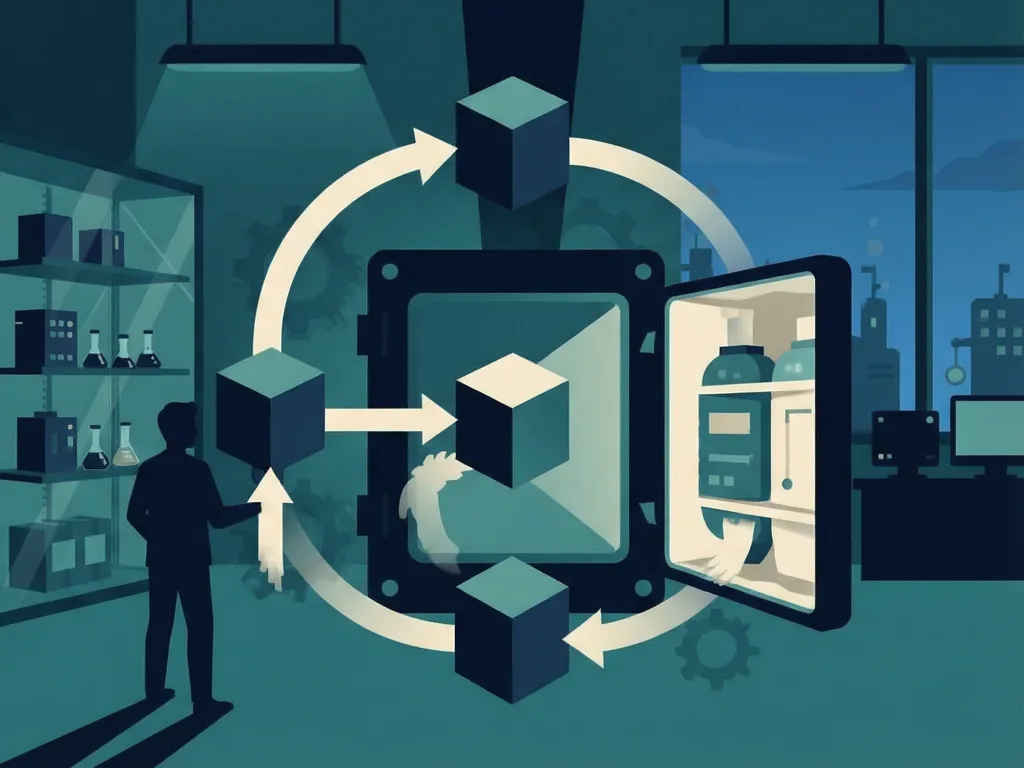
Featured image: Abstract friendly illustration of a self-learning loop feeding a knowledge repository, no real people, no logos, no text.
For teams adapting a foundation model, a broadly trained AI model, to a new field with little expert-written data or reliable supervision, Recursa provides a way to learn from its own experience. The method, described in arXiv paper 2611.04035, does not require human experts or a stronger teacher model. Instead, the system generates tasks from domain materials, practices on them, and stores what it learns.
How the system learns
Recursa keeps a knowledge repository containing domain-specific skills, instructions on when to use them, memories of past tasks, and reflections on what to improve.
The first stage is bootstrapping: the system builds the repository from domain materials and practices on tasks it generates. This addresses the knowledge gap, meaning the model lacks the right facts or procedures for the new domain.
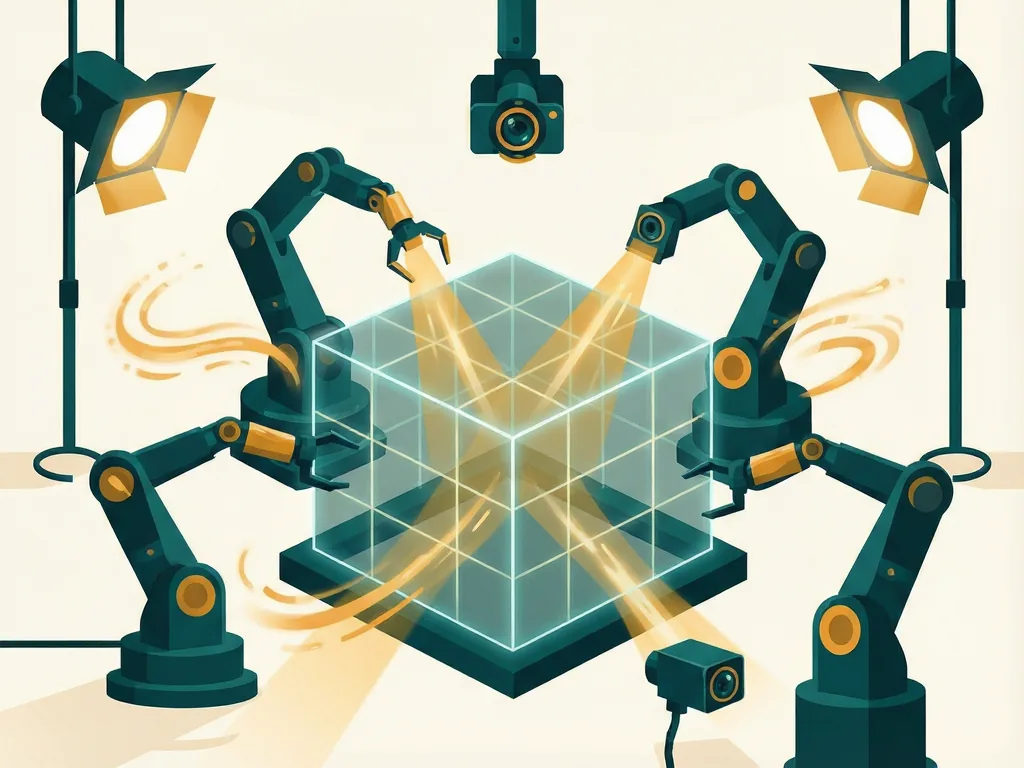
The second stage is recursive self-improvement: parallel learners run tasks and propose local improvements. Those proposals are validated and merged back into the repository. This targets the behavior gap, where the model may know useful material but not use it consistently. The system's own model drives the process, including improving how it learns.
Benchmark results
On Harvey LAB's Firm Knowledge benchmark, Recursa raises the all-pass rate on held-out test tasks from 30.0% to 55.0% with DeepSeek-V4.1-Flash. It also raises the all-pass rate from 35.0% to 46.0% with Qwen3.8-Flash.
Held-out test tasks are evaluation tasks not used during training, so the reported gains show performance on unseen cases within that benchmark setting.
Why it matters
The approach is relevant when expert data, supervision, or teacher models are scarce. It suggests a path toward more autonomous domain adaptation, but the evidence is limited to the benchmark and models named in the paper. Readers should view the results as a concrete demonstration, not a universal guarantee.
Comments (0)