
Scientific computing in the era of AI agents
Science depends on aging, patchwork software that struggles with growing datasets. A new field report shows how AI coding agents—tools that can explore codebases, plan changes, write code, and run tests—are helping scientists modernize scientific computing. With researcher supervision, these agents accelerate refactoring, documentation, and pipeline updates, especially in genomics, freeing scientists to focus on research questions and speeding the path from data to discovery.
Meta description: How scientists use AI coding agents to modernize scientific software, speed up development, and accelerate discovery in genomics and beyond.
Tags: AI coding agents, scientific computing, genomics, research software, AI for science
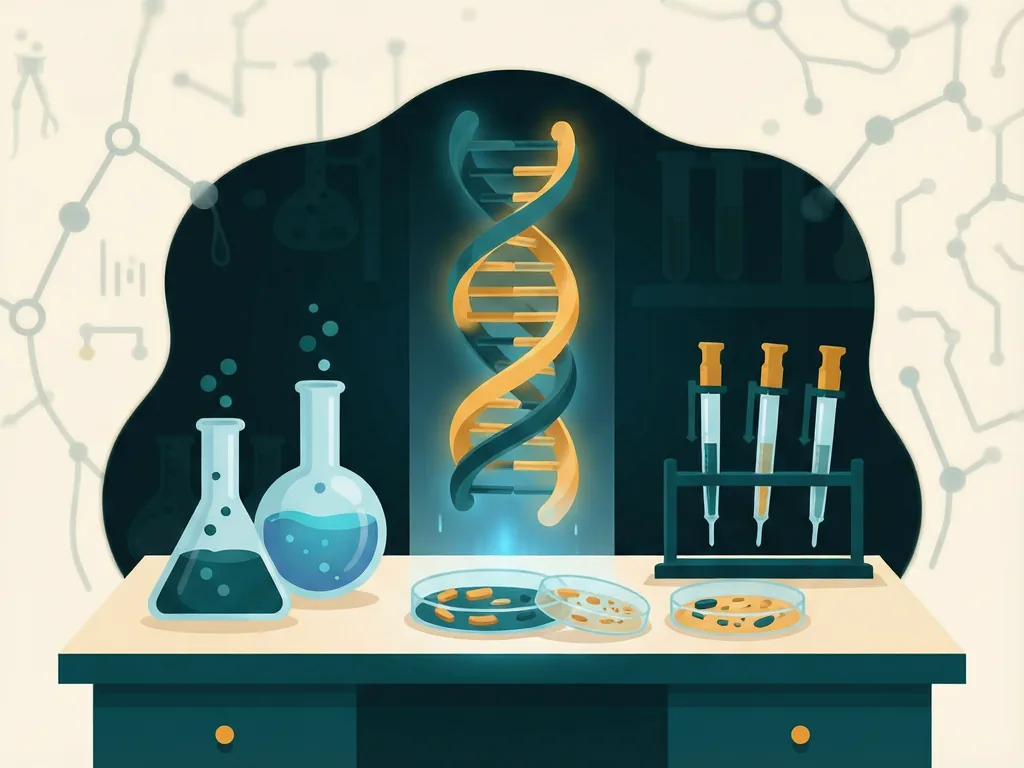
Featured image: Abstract, friendly illustration of colorful code blocks and DNA helix shapes floating together over a soft gradient background, no people, no logos, no text.
How AI Coding Agents Are Modernizing Scientific Computing Software
Science runs on software. From decoding genomes to simulating molecules, researchers depend on code every day, yet much of that code was written years ago by small teams with limited resources. A new field report highlights a promising shift: scientists are now turning to AI coding agents to modernize scientific computing, and the results point to faster software development and quicker paths to discovery, especially in genomics. This article is for researchers, students, and anyone curious about how AI is changing the way scientific software gets built.
Why scientific software needs modernizing
Scientific code often grows organically. A graduate student writes a script for one experiment, another researcher extends it for a different project, and over the years the codebase becomes a patchwork of languages, styles, and assumptions. Documentation may be thin, tests may be missing, and the original authors may have moved on. This is sometimes called the "software crisis" in science: the code works well enough for the original purpose, but it struggles to keep up with bigger datasets, newer hardware, and evolving research questions.
Genomics illustrates the problem well. Sequencing technology now produces enormous volumes of data, and analysis pipelines that worked a decade ago can buckle under today's workloads. Rewriting or updating these pipelines by hand takes time and specialized skill that many labs simply do not have. That gap between what the software can do and what researchers need it to do slows down science itself.
What AI coding agents bring to the lab
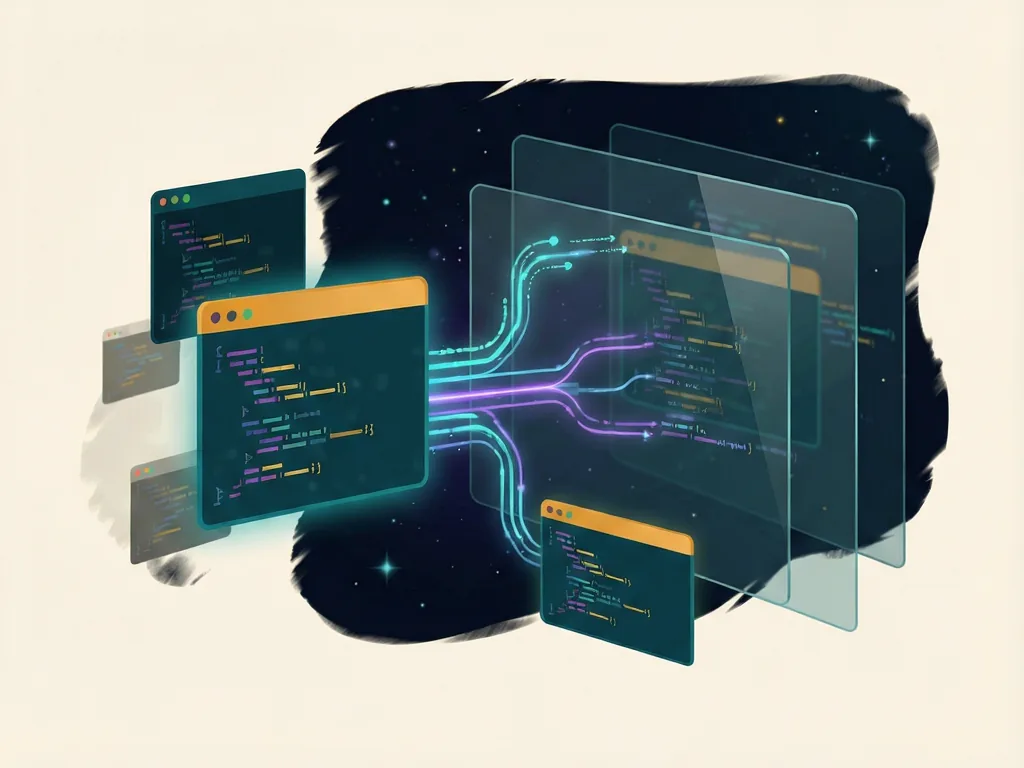
AI coding agents differ from simple autocomplete tools. Rather than suggesting the next line of code, an agent can take a broader instruction, explore a codebase, plan a set of changes, write the code, run tests, and revise its own work when something fails. In practice, this means a researcher can describe a task in plain language, such as updating a data-processing script to handle a new file format, and the agent can carry out much of the mechanical work.
According to the field report, this approach is already helping scientists accelerate software development. Tasks that once required days of careful manual effort, like refactoring old code, adding documentation, or migrating a tool to a new platform, can move much faster when an experienced researcher supervises an agent doing the heavy lifting. Importantly, the report frames these agents as collaborators rather than replacements. Human judgment still decides what the software should do, whether the results are scientifically valid, and how to handle edge cases the agent may not understand.
Faster code, faster discovery
The connection between better software and better science is direct. When researchers spend less time wrestling with legacy code, they spend more time on actual research questions. In genomics, that could mean processing sequencing data sooner, testing more hypotheses, or iterating on an analysis pipeline before a paper deadline instead of after.
The report suggests the benefits extend beyond genomics. Any discipline that relies on computational tools, from climate modeling to materials science to epidemiology, faces similar pressures: growing datasets, aging code, and a shortage of software engineering expertise. AI coding agents offer a way to spread programming know-how across a lab, letting domain experts guide software improvements even when no dedicated engineer is available.
There is also a training angle. Early-career scientists often learn to code on the job, and working alongside an AI agent can function as a kind of apprenticeship. The agent handles routine patterns while the researcher learns by reviewing, questioning, and correcting what it produces. Used carefully, this can build skills rather than erode them.
The caveats researchers should keep in mind
None of this means AI agents are a magic fix. Scientific code carries a special responsibility: errors do not just cause bugs, they can produce wrong results that find their way into publications. The report's overall tone is optimistic but grounded, and a few cautions follow naturally from that framing.
First, AI-generated code still needs review and testing. Agents can produce code that looks correct but contains subtle flaws, so validation remains essential. Second, agents work best under supervision from someone who understands the science and the code's purpose. Third, adopting these tools takes practice; labs should treat the transition as a skill to develop, not an overnight switch.
Who should use it / who should skip it
Researchers and lab teams maintaining aging scientific software, especially in data-heavy fields like genomics, stand to benefit most from AI coding agents, as do graduate students who need to modernize pipelines without formal software training. Groups working with highly sensitive data or safety-critical simulations should move more carefully, adding extra review layers before trusting any AI-generated code. And scientists whose work depends on small, stable, well-tested tools may find that the current generation of agents offers little advantage over leaving working code alone. For everyone else, the field report suggests a simple starting point: pick one tired script in your workflow and see what a supervised AI agent can do with it.


Comments (0)