
Healthcare organizations can now link EHR and other industry data with ChatGPT
OpenAI has enabled ChatGPT to connect with trusted healthcare data sources, allowing clinicians to securely access patient context and medical research within the chatbot. This addresses key barriers of data security and reliability, grounding answers in verified sources instead of general model knowledge. While an assistive tool that saves time in busy clinical settings, final diagnosis and treatment decisions remain with healthcare professionals.
What this means for healthcare workers
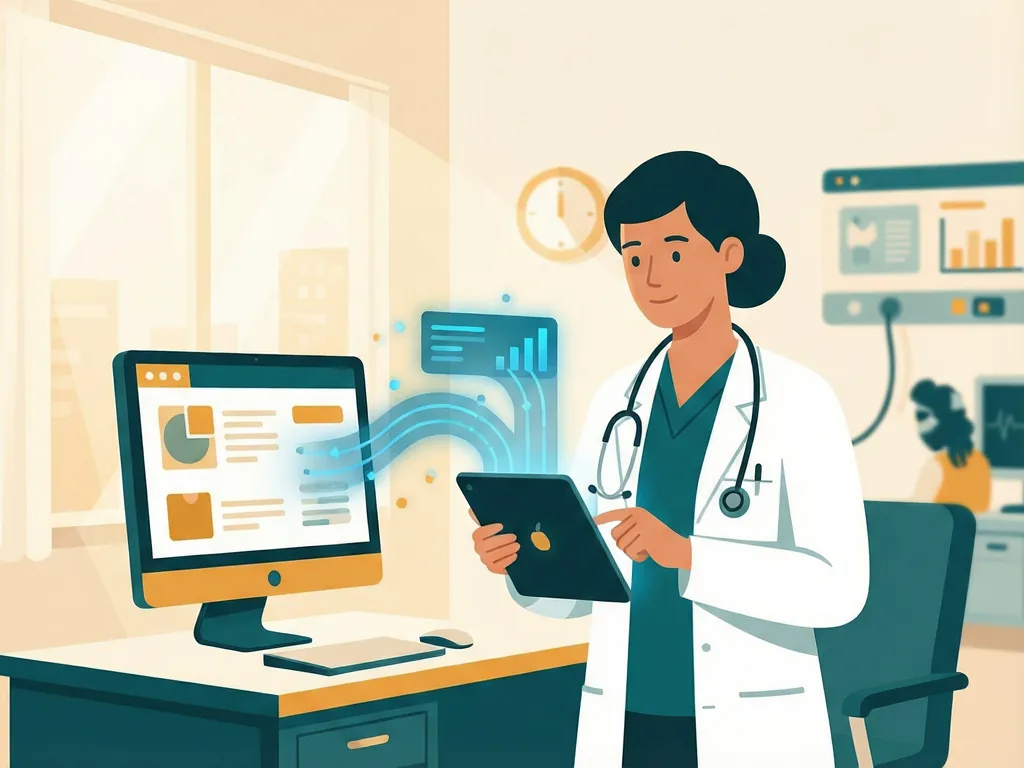
OpenAI has announced that ChatGPT can now connect to trusted healthcare data sources, giving clinicians a secure way to access patient context, medical research, and other relevant information directly within the chatbot. This development is aimed at medical professionals who want to bring AI assistance into their daily workflow without compromising patient privacy or relying on unverified sources.
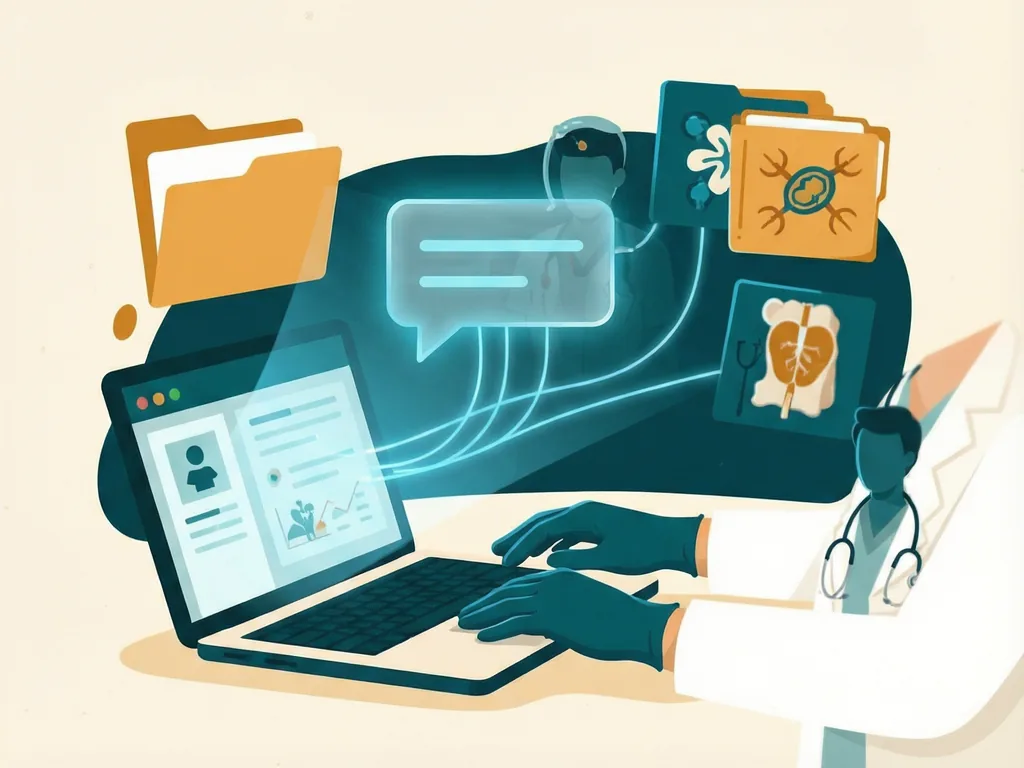
Until now, clinicians experimenting with ChatGPT had to paste information manually or rely on general knowledge baked into the model. With this new capability, the tool can draw on vetted healthcare data, which means answers can be grounded in reliable, up-to-date material rather than guesswork. For doctors, nurses, and researchers, that difference matters: the value of an AI assistant in medicine depends heavily on whether it can reference trustworthy information.
Why secure access to patient context matters
One of the biggest barriers to adopting AI in clinical settings has been data security. Patient records are protected by strict privacy rules, and most general-purpose chatbots were never designed to handle that kind of sensitive information. By building a connection to trusted healthcare data, ChatGPT allows clinicians to work with patient context in a secure environment, rather than forcing them to choose between convenience and compliance.
In practice, this could mean a physician can ask about a patient's history, relevant medications, or recent findings and get a response that takes real clinical information into account. The emphasis on "trusted" sources suggests the integrations are designed to pull from authorized and verified data, not open web content of uncertain quality.

Medical research at your fingertips
Beyond individual patient care, the integration also opens the door to faster access to medical research. Clinicians often need to check the latest studies, guidelines, or drug information, and searching through databases takes time. Having ChatGPT connected to reliable research sources means a clinician can ask a question in plain language and receive information grounded in published evidence.
This does not replace clinical judgment or a doctor's own review of the literature. But it can shorten the gap between a question and a well-sourced starting point, which is valuable in busy clinical environments where time is limited.

A step toward AI as a clinical assistant
This move fits into a broader trend of AI tools moving from general consumer use into specialized professional settings. For healthcare, the requirements are higher than in almost any other field: accuracy, privacy, traceability, and clear limits on what the tool can and cannot do. Connecting ChatGPT to trusted data is a sign that these requirements are being taken seriously, since grounded answers are generally more reliable and easier for clinicians to verify.
It is worth remembering that this is an assistive tool. Final decisions about diagnosis and treatment remain with the treating professionals, and outputs should always be checked against clinical standards. But as a way to organize information, surface relevant research, and provide patient context securely, the capability could save meaningful time.
The bottom line
ChatGPT's new connection to trusted healthcare data marks a practical shift: instead of a general-purpose chatbot, clinicians now have an assistant that can work with secure patient context and reliable medical research. For healthcare teams exploring AI, this lowers one of the biggest hurdles—trust in the information behind the answers. As always in medicine, human judgment stays front and center, but the tools supporting it are getting noticeably smarter.
Comments (0)