
Citing Laurie Voss
Writing code used to be the expensive part of building software, but AI has collapsed that cost—and the cost of reviewing, fixing, and running code is falling behind it. Drawing on Laurie Voss's argument, this article explains what remains expensive: discovery, definition, and user experience. Because these costs apply to every new piece of software and demand is unbounded, they eventually become the whole job—making everyone a product engineer and shifting where tech professionals should invest their skills.

Writing code used to be the expensive part of building software. That cost has collapsed, and the costs of reviewing, repairing, and running that code are falling right behind it. So what's actually left? According to Laurie Voss, writing about how "we are all Product Engineers now," the remaining work is figuring out what people genuinely need, defining it with precision, and making the result enjoyable to use. This article unpacks that argument and what it means for anyone building a career around software.
The Falling Costs of Code
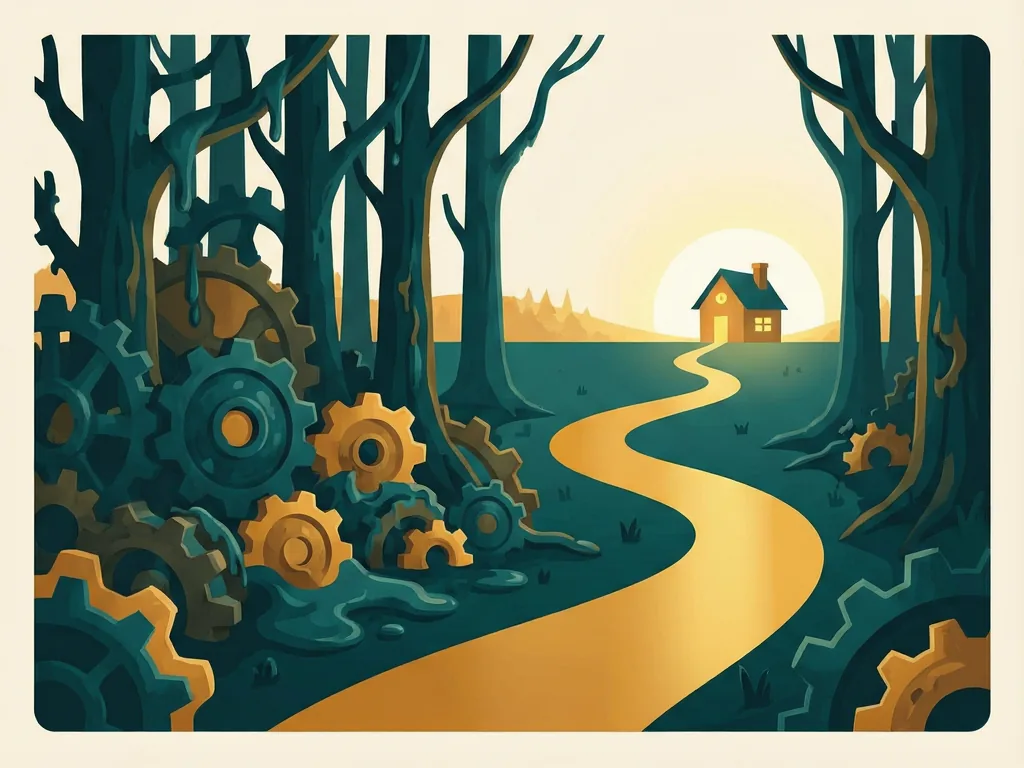
The first and most dramatic shift happened with code generation itself. AI tools have made producing raw code dramatically cheaper in a very short time. What once required hours of careful typing and debugging can now be drafted in minutes.
But the change didn't stop there. The surrounding work — reviewing that code for correctness, fixing the issues that slip through, and keeping the software running in production — has historically absorbed a huge share of engineering effort. That work is now getting cheaper too, and Voss assumes the trend continues until it reaches the same near-zero cost as writing the code in the first place.
What Doesn't Get Cheaper
If generating and maintaining code approaches zero cost, what remains expensive? Voss points to three things:
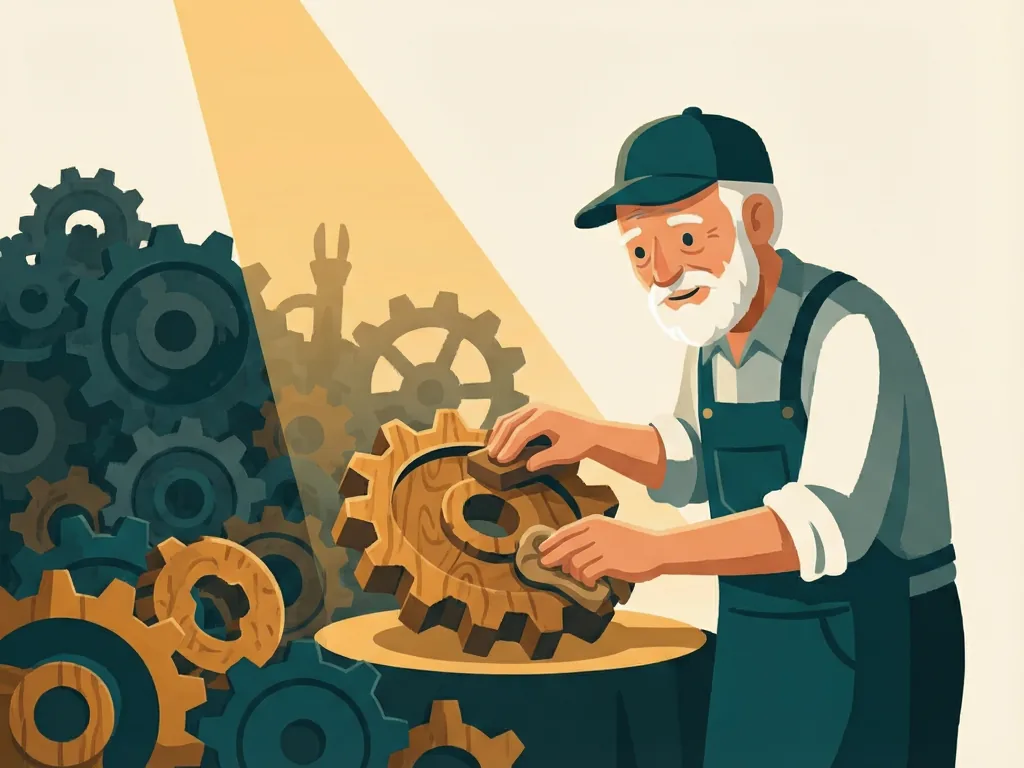
- Discovery — learning what people actually want, which requires talking to users, observing behavior, and resisting assumptions.
- Definition — translating vague human desires into a precise specification a system can implement.
- Experience — shaping the product so it feels pleasant rather than merely functional.
These activities share a crucial property: their cost applies to each individual piece of software. Unlike the fixed cost of a tool or a platform, this work doesn't transfer from one project to the next. Every new product requires its own discovery, its own definition, its own care around the user experience.
Demand Without a Ceiling
Here's where the argument gets interesting. There appears to be no natural limit on how much software the world wants. As the total amount of software grows — Voss says it goes to infinity, and the math of unbounded demand supports that — the share of the job taken up by these non-transferable costs keeps growing.
Eventually, they become the whole job.
That reframing is why Voss calls everyone a "product engineer." The identity of the software builder shifts from someone who writes code to someone who understands products, with code as just one cheap input among many.
What This Means for Careers
For people working in tech, the practical takeaway is a shift in where to invest your effort. Skills that centered on producing code quickly are losing their premium. Skills that center on understanding users, defining problems sharply, and designing good experiences are becoming the durable differentiators.
None of this means engineering judgment disappears. Reviewing what AI produces still requires knowing what "good" looks like. But the center of gravity moves toward the product side of the role — the part that has always resisted automation because it depends on understanding other humans.
Tags: laurie-voss, generative-ai, agentic-engineering, ai, llms, deep-blue, careers
Comments (0)