
How GPT-5.6 Sol assists in conducting quantum computing experiments
An MIT researcher pairs GPT-5.6 Sol with Codex to run quantum computing experiments largely autonomously. The AI agent controls lab hardware, performs repetitive qubit calibration, analyzes measurement data, and adapts experiments in a feedback loop, freeing the researcher to focus on design and interpretation while humans still review anomalous results.
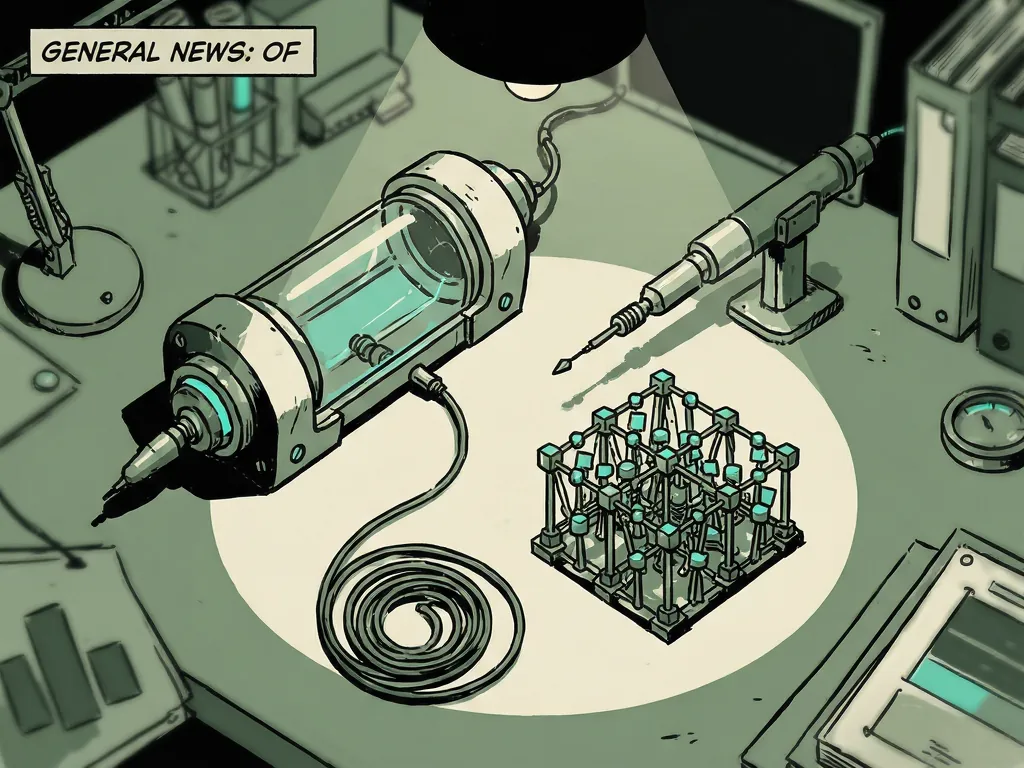
Quantum computing experiments usually demand long hours at the lab bench, careful manual tuning, and endless rounds of measurement and analysis. But what happens when a large language model can take over much of that workload? This article looks at how one MIT researcher pairs GPT-5.6 Sol with Codex to run quantum computing experiments largely on its own — designing procedures, executing them, interpreting the data, and even calibrating qubits without constant human supervision. If you're curious about how frontier AI models are being applied to real scientific research, this walkthrough is for you. You'll learn what the setup looks like, which tasks the model handles well, and where human judgment still matters.
The Setup: An AI Agent in the Quantum Lab
The researcher's workflow centers on giving GPT-5.6 Sol direct access to lab equipment through Codex, the coding agent environment. Rather than simply asking the model questions about quantum physics, the researcher lets it write and execute scripts that control actual hardware.
The process works like this: the model receives a research goal — for example, measuring the coherence properties of a qubit — and then writes the necessary control code, runs the experiment on the quantum device, collects the measurement data, and analyzes the results. When something looks off, it can adjust parameters and try again, looping through iterations much like a graduate student would.
This agentic approach is different from using an AI as a chatbot. Codex provides the execution layer, allowing the model to interact with instruments, run analysis pipelines, and keep track of what has already been tried. The researcher sets boundaries and checks in periodically, but the day-to-day grind of running trials belongs to the model.
Calibration: Where the AI Earns Its Keep
One of the most tedious jobs in any quantum lab is qubit calibration. Qubits drift out of tune over time, and keeping them operating correctly means repeatedly measuring their behavior and adjusting control pulses, frequencies, and timing. It's precise, repetitive work that can eat up hours.
This is exactly the kind of task the GPT-5.6 Sol setup handles well. The model can run calibration sequences autonomously, checking qubit performance, identifying drift, and applying corrections. Because calibration follows well-defined procedures with clear success criteria, it suits an AI agent that can methodically work through steps and flag anything unusual.
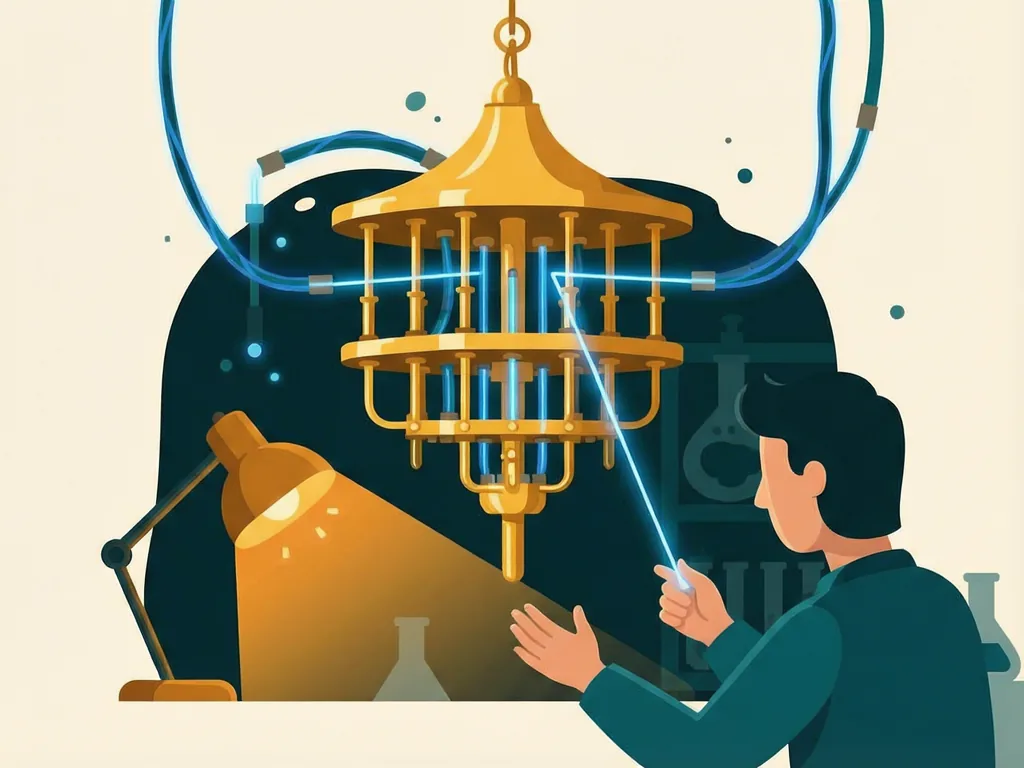
The researcher notes that this frees up significant time. Instead of babysitting calibration routines, the human researcher can focus on experiment design and interpretation — the parts of the work that genuinely benefit from scientific intuition and creativity.
Analyzing Results and Adapting on the Fly
Running experiments is only half the job; making sense of the data is the other half. The model takes the raw measurement output and performs analysis — fitting curves, extracting quantities like coherence times, and assessing whether results are statistically meaningful.
What makes this powerful is the feedback loop. If the analysis reveals, say, unexpectedly noisy data, the agent can investigate possible causes, modify the next experimental run, and test its hypothesis. This closes the loop between measurement and interpretation, which is where a lot of research time traditionally gets lost.
That said, the researcher treats the model's conclusions as a first pass rather than gospel. Surprising or anomalous results still get human review, because a model can misinterpret data in plausible-sounding ways — a risk in any field, but especially one as subtle as quantum measurement.
What This Means for Science More Broadly
This example offers a preview of how AI agents may reshape experimental science. The pattern here — a capable model with tool access, working inside a well-structured environment on tasks with measurable outcomes — could apply to many laboratory disciplines beyond quantum computing, from materials testing to optics.
The key ingredients seem to be:
- Clear, automatable procedures: calibration and standard measurements translate well into agent workflows.
- A safe execution sandbox: Codex lets the model run code without putting equipment or data at unnecessary risk.
- Human oversight at the right moments: the researcher stays in charge of goals and interpretation of major findings.
It's also worth being honest about limitations. Quantum labs involve expensive, delicate hardware, and no responsible researcher hands over full control without guardrails. This setup works because the human defines the scope, reviews outcomes, and steps in when judgment is needed. The AI accelerates the work; it doesn't replace the scientist's understanding.
Getting Started With a Similar Workflow
If you work in experimental science and want to try an AI-agent approach, the general recipe looks like this:
- Pick a repetitive, well-defined task — calibration, routine measurements, or data formatting are good candidates.
- Build a safe execution environment where the agent can run code and, if appropriate, control instruments through documented APIs.
- Define clear success criteria so the model can tell whether a run worked.
- Start with human review of every step, then gradually expand autonomy as you build trust in the results.
- Keep a log of what the agent did, so you can audit and reproduce its work later.
The takeaway from this MIT example is not that AI is about to run physics labs alone, but that pairing a strong model with a good tooling layer can remove much of the drudgery from experimental work — leaving more room for the questions only humans can ask.


Comments (0)