
If All You Have Are Decoders, Every Decision Resembles Generation
Decoders generate text, but labels, scores, rankings, and structured outputs often need simpler, faster, and cheaper models.

Key Takeaways
- Decoders are often used by default because generative AI is widely accessible, but convenience does not mean they are the right fit for every task.
- Many decisions, such as classification, ranking, regression, or routing, do not require free-form generation and can be handled by simpler, more reliable models.
- Teams should choose a decoder only when the desired output is a natural language sequence; otherwise, they should prefer models that produce labels, scores, orders, or structured values.
- Model selection should consider output type, latency, cost, evaluation method, and fallback options when the model makes an error.
- The core lesson is to match the model to the job, separating user needs from model capabilities instead of adding generation everywhere.
This article is for developers, product managers, and analysts deciding whether to use a decoder for an AI task. It explains a Towards Data Science post titled "When All You Have Are Decoders, Every Decision Looks Like Generation," which appeared first on Towards Data Science. The post's core argument is simple: not every decision needs a decoder, and generation is not always a decision. For teams building AI features, that distinction can prevent costly design choices, reduce latency, and make systems easier to evaluate.

Why decoders became the default
A decoder is a model component that maps an input context to an output sequence. In transformer language models, decoder-style systems are common because they generate text one token at a time. That makes them useful for chatbots, summaries, code writing, and other tasks where the output is a sequence.
Because generative AI has become easy to access, decoders are often the first tool teams reach for. If a model can write paragraphs, it can also classify, rank, extract, or route. But convenience is not the same as fit. The Towards Data Science post points out that when the main tool is a decoder, every problem starts to look like a generation problem.
When generation is the wrong answer
Some decisions do not need a new sequence. A classifier may need a label, such as spam or not spam. A ranking model may need an order, such as search results. A regression model may need a number, such as an expected price range. A router may need a category, such as which team should handle a support request.
In these cases, generation adds steps that may not be necessary. A decoder-based approach can be slower because it produces output piece by piece. It can be more expensive because generation consumes compute for each token. It can also be harder to test: a generated answer may be fluent but wrong, vague, or inconsistent with the requested format.
There is also a trust issue. When a system is asked to make a decision, a generated explanation can blur the boundary between prediction and fabrication. If the task is to choose among known options, retrieval or classification may be more transparent than free-form generation.

How to decide whether you need a decoder
The practical question is not "Can a decoder do this?" but "What should the output be?" If the answer is a natural language sequence, a decoder may be appropriate. If the answer is a label, score, ranking, or structured value, start with a simpler design.
Teams can compare options by asking four questions:
- What is the output: text, label, number, order, or structured fields?
- How much latency and cost can the feature afford?
- How will the result be evaluated: exact match, accuracy, ranking quality, or human review?
- What happens if the model is wrong: can the system fall back to retrieval, rules, or a human?
This checklist does not require a new product or a benchmark number. It is a design habit. The goal is to match the model to the job, not to let the model choose the job.
What this means for AI builders
The post does not say decoders are bad. It says they should not be treated as universal decision makers. Generation is valuable when the task really involves creating language. It is a poor fit when the task is selecting, scoring, or sorting.

For readers, the takeaway is operational: before wiring a decoder into a product flow, separate the user's need from the model's capability. A fluent answer can be the wrong kind of answer. A simpler model may be faster, cheaper, easier to audit, and more reliable.
As AI tools spread across apps, the more useful skill may not be adding generation everywhere, but recognizing when a decision should stay a decision.
Meta description: A Towards Data Science post argues not every decision needs a decoder. Learn when generation is the wrong tool and how to choose simpler AI.
Tags: decoders, generation, model selection, AI architecture, Towards Data Science
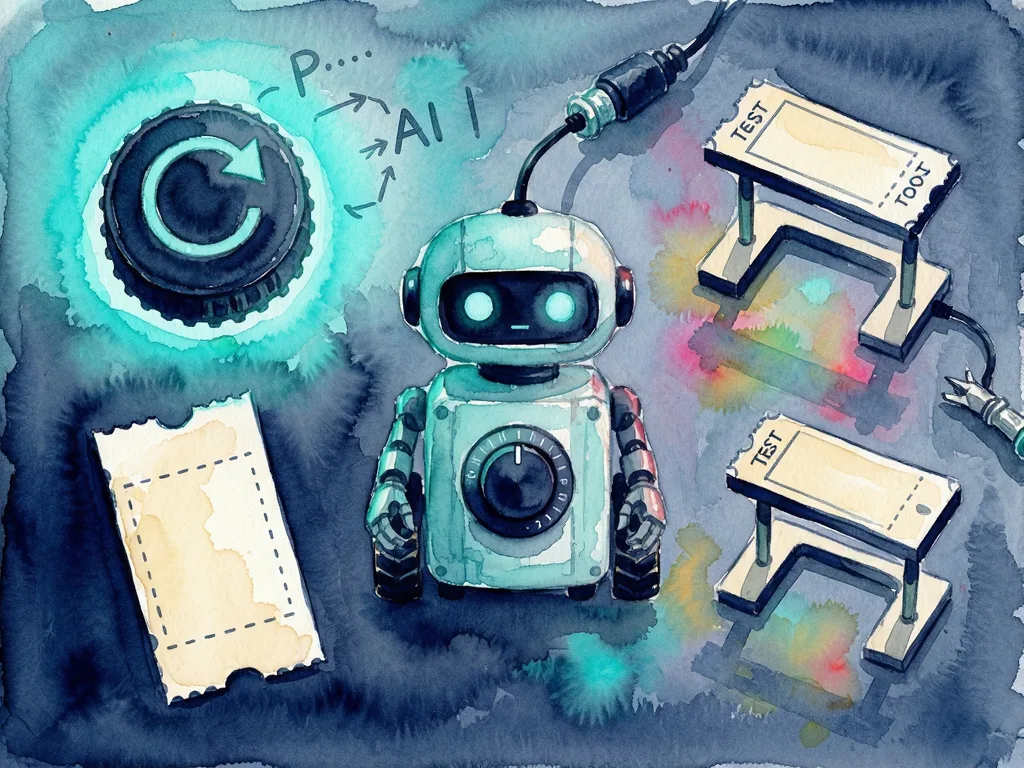
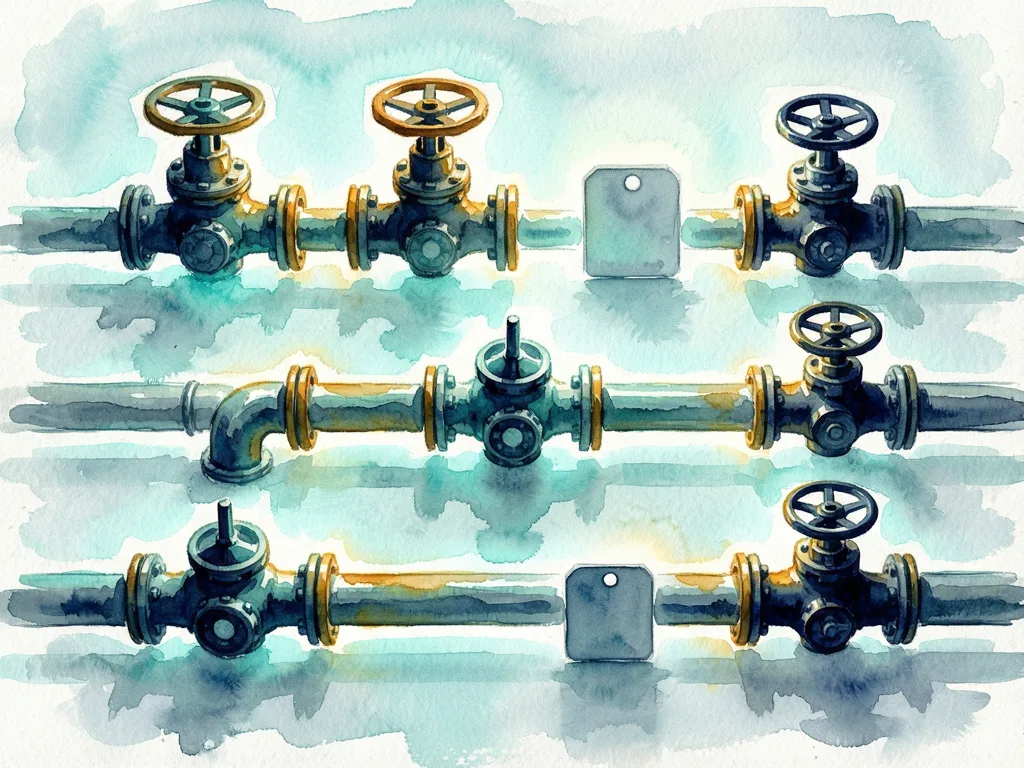
Featured image: Abstract friendly illustration of a decoder funnel, an empty speech bubble, a label tag, and a ranking chart, with no real people, no logos, and no text.



Comments (0)