
Core concepts of artificial intelligence
A plain-English guide explaining what artificial intelligence actually is and how it differs from traditional software. It covers how machine learning trains models on data through training, testing, and deployment, and how large language models like ChatGPT predict text word by word. The article also highlights practical realities: AI is powerful but can make confident mistakes, so verifying important claims remains essential.
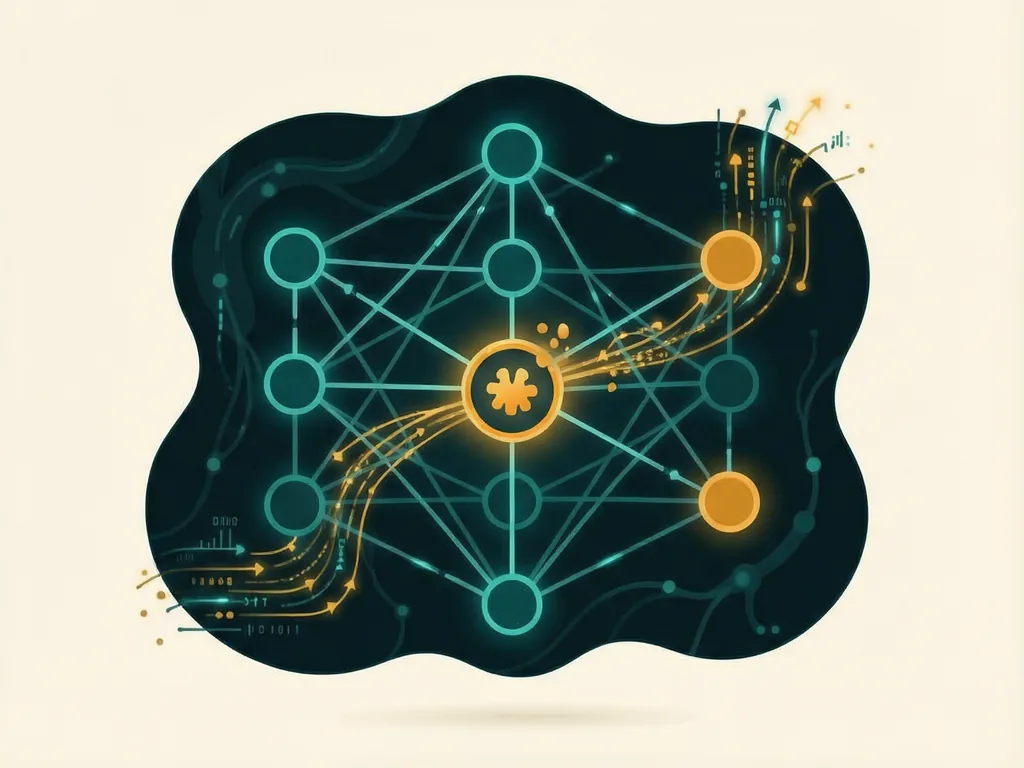
If you've ever wondered what artificial intelligence actually is—beyond the headlines and hype—this guide is for you. In the next few minutes, you'll get a plain-English explanation of AI, how it works under the hood, and how tools like ChatGPT use something called large language models to understand and generate text. No technical background needed.

What Artificial Intelligence Actually Means
Artificial intelligence is a broad term for computer systems designed to perform tasks that normally require human intelligence. Things like recognizing faces in photos, translating languages, answering questions, or recommending what to watch next all fall under the AI umbrella.
Here's the key idea: traditional software follows explicit instructions written by programmers. If you ask a calculator to add two numbers, it follows fixed rules. AI works differently. Instead of being given rules, an AI system is trained on examples and learns patterns from them. Think of it like teaching someone to recognize birds by showing them thousands of photos rather than reading them a textbook definition of "bird."
This is why AI can feel surprisingly flexible. It isn't just following a script—it's applying patterns it learned from massive amounts of data to situations it has never seen before.
How Machine Learning Powers Modern AI
Most of today's AI relies on a technique called machine learning. Instead of hand-coding every rule, developers feed a model large amounts of data and let it adjust itself until its predictions improve.
The process generally works in three stages:
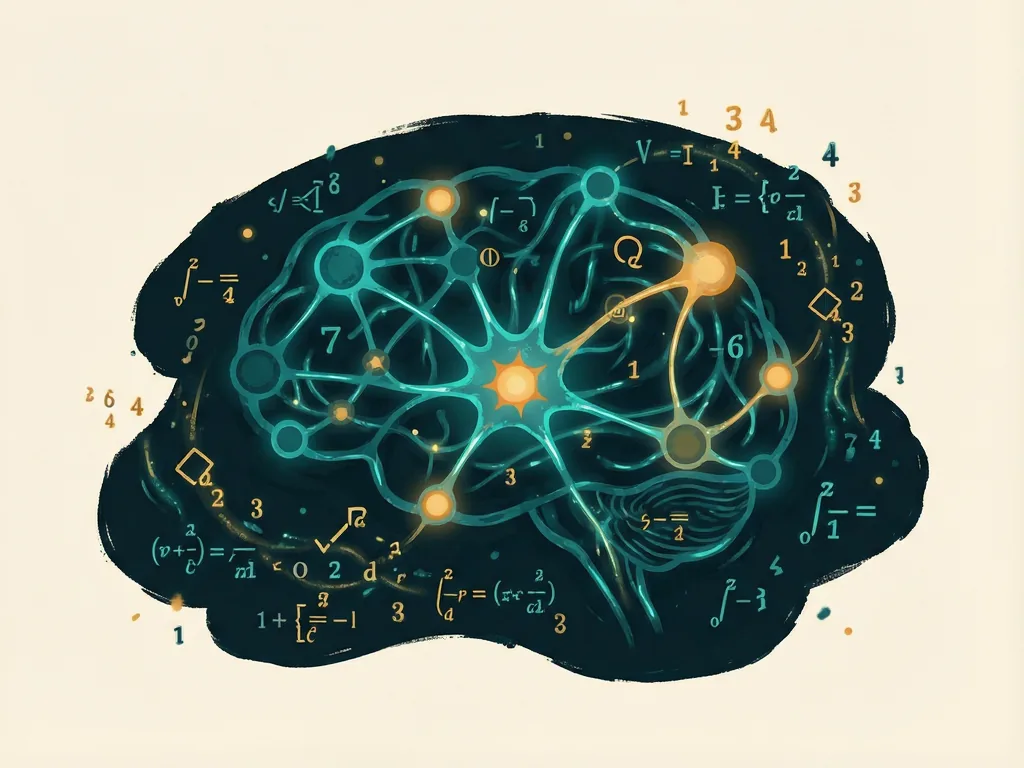
- Training. The model is shown enormous datasets and gradually learns to spot patterns. A model trained to identify spam emails, for example, sees millions of examples and learns which words and patterns tend to signal junk mail.
- Testing. The model is evaluated on new data it hasn't seen before, to check whether it actually learned useful patterns or just memorized the training examples.
- Deployment. Once it performs well, the model is put to work in real products—powering search results, voice assistants, or chatbots.
The important thing to remember is that machine learning doesn't "understand" things the way people do. It's very good at finding statistical patterns, and those patterns can produce impressively useful results, but the system itself is doing math on data, not thinking in a human sense.
Large Language Models: The Technology Behind ChatGPT
So where does ChatGPT fit in? Tools like ChatGPT are built on large language models, often shortened to LLMs. These are AI systems trained specifically on text—enormous quantities of it, drawn from books, websites, articles, and other written material.
An LLM learns one core skill: predicting the next word in a sentence. That might sound simple, but doing it well requires a deep grasp of grammar, facts, writing styles, and reasoning patterns. If you write "The cat sat on the," a good language model knows "mat" or "couch" is far more likely than "refrigerator." Scale that ability up across billions of sentences, and you get a system that can write essays, summarize documents, answer questions, and hold a conversation.
A few things worth knowing about how LLMs work in practice:
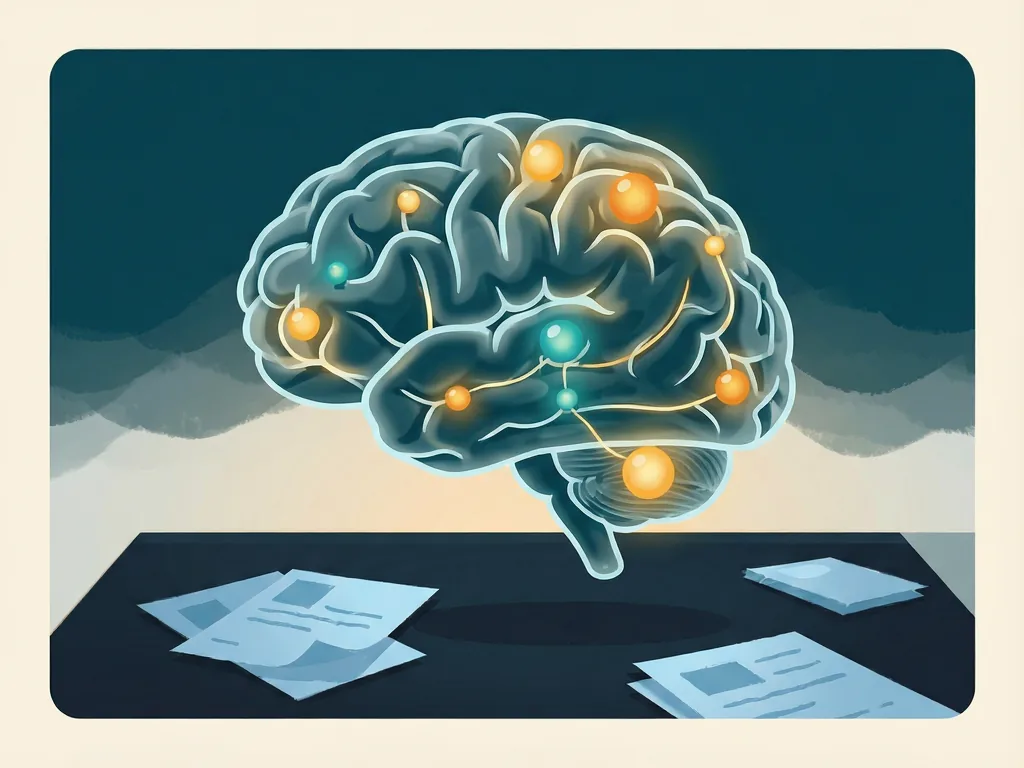
- They generate text word by word. Each response is built one piece at a time, choosing likely continuations based on everything in the conversation so far.
- They respond to context. The more clearly you explain what you want, the better the output tends to be. This is why "prompting"—how you phrase your requests—matters so much.
- They can make mistakes. Because LLMs predict likely text rather than verify facts, they sometimes produce confident-sounding but incorrect answers, often called hallucinations. It's always smart to double-check important claims.
What AI Can and Can't Do Today
AI is genuinely powerful, but it helps to have realistic expectations. On the strengths side, modern AI is excellent at drafting and editing text, brainstorming ideas, summarizing long documents, translating between languages, and answering general knowledge questions quickly. For many everyday writing and research tasks, it saves real time.
On the limitations side, AI can get facts wrong, especially for niche topics, recent events, or precise numbers. It doesn't have personal experiences or genuine understanding, and it can inherit biases present in its training data. It's also not a replacement for professionals: for medical, legal, or financial decisions, AI can be a helpful starting point for understanding a topic, but it shouldn't be treated as an authoritative source.
The healthiest way to think about AI today is as a capable assistant—fast, tireless, and broadly knowledgeable, but one whose work deserves a human review before you rely on it.
Getting Started With AI as a Beginner
You don't need any special skills to start experimenting. ChatGPT and similar tools are accessible through a web browser, and many offer free tiers you can try immediately. A good first exercise is to ask a tool to explain something you're curious about in simple terms, then ask follow-up questions. You'll quickly get a feel for how it responds to different phrasings.
As you experiment, keep these habits in mind: be specific in your requests, treat outputs as drafts rather than final answers, and never share sensitive personal information in a chat. With that mindset, AI becomes a practical, approachable tool rather than a mysterious black box—and you now understand the basic ideas that make it work.
Comments (0)