
Deepening OpenAI’s footprint in the Brazilian market
OpenAI is expanding its operations in Brazil to build closer ties with developers, companies, and local communities in Latin America's most dynamic AI market. The move includes engaging São Paulo's thriving developer ecosystem, supporting businesses from finance to agriculture at every stage of AI adoption, and fostering community trust through responsible AI conversations. As a gateway market, Brazil's growth could spur regional investment and inspire Portuguese-language AI innovation, though adoption depends on infrastructure, cost, and regulation.

OpenAI is growing its operations in Brazil, a move aimed at building closer ties with the country's developers, companies, and local communities. The expansion reflects the company's intention to support the adoption of artificial intelligence throughout one of Latin America's largest and most active digital economies. For Brazilian professionals and organizations curious about what this means for them, here's a look at the key elements of the announcement and why they matter.

Why Brazil Matters to OpenAI
Brazil has become one of the most dynamic markets for AI in Latin America. The country has a large developer community, a rapidly digitizing business sector, and a government increasingly interested in emerging technologies. OpenAI's decision to deepen its engagement there signals recognition that AI adoption is not just a North American or European story — it is a global one.
By investing in local relationships, OpenAI can better understand the specific needs of Brazilian users, from language and cultural considerations to regulatory and infrastructure questions. This kind of on-the-ground presence typically helps a technology company tailor its products and support in ways that a distant headquarters cannot.
Connecting with Developers
A central part of the expansion involves reaching out to the developer community. Brazil has a thriving ecosystem of programmers, startups, and tech meetups, particularly in hubs like São Paulo. Stronger engagement with developers means more opportunities for local talent to build applications and services on top of OpenAI's tools.
For developers, this could translate into more accessible resources, community events, and direct channels for learning how to integrate AI capabilities into their own products. A local presence also makes it easier for technical questions and feedback to flow both ways, which often leads to better tooling over time.
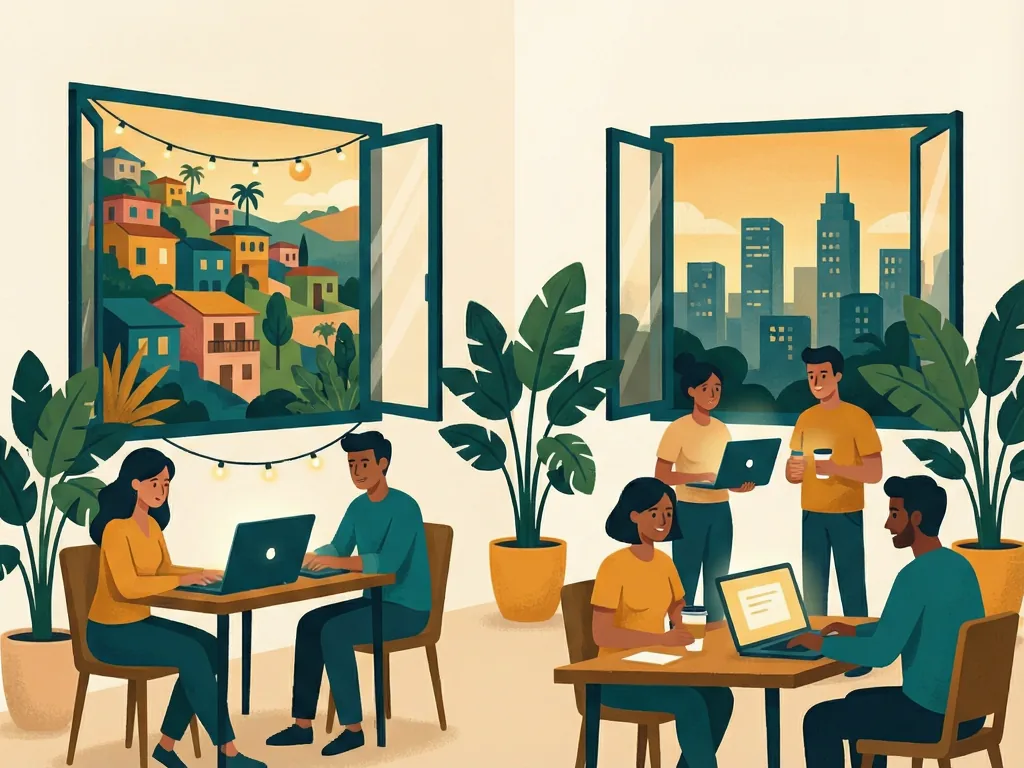
Supporting Businesses of All Sizes
Beyond individual developers, OpenAI is working to deepen relationships with Brazilian businesses. Companies across sectors — from finance and retail to agriculture and logistics — are exploring how AI can improve operations, customer service, and decision-making.
By strengthening its presence in the country, OpenAI positions itself as a partner for organizations at different stages of AI adoption. Large enterprises may be evaluating large-scale deployments, while smaller firms often need guidance on where to start. Local engagement can help OpenAI address both audiences more effectively.
Engaging Communities and Building Trust
The expansion is not only commercial. OpenAI has also emphasized community engagement, which includes conversations about responsible AI use and the broader social implications of the technology. Building trust with local communities is an important part of any technology company's long-term success in a new market, and Brazil is no exception.
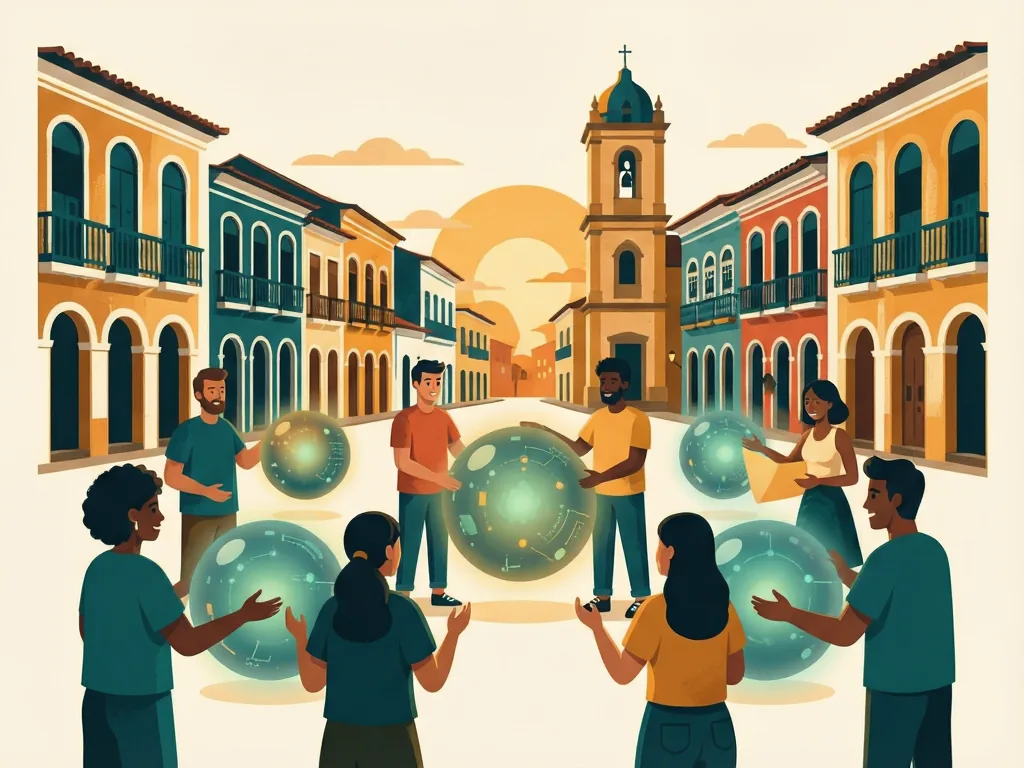
Meaningful community involvement can also support digital skills development, helping more Brazilians understand and benefit from AI tools rather than being left on the sidelines of a technological shift.
What This Means for the Region
Brazil is often a gateway market for Latin America. When a major AI company invests in the region, it frequently encourages further investment, competition, and innovation across neighboring countries as well. For the Brazilian tech ecosystem, closer ties with OpenAI may accelerate local experimentation and could inspire more startups to build AI-powered products for Portuguese-speaking users — a market that has historically been underserved by global technology platforms.
There are still open questions, of course. The pace of adoption will depend on factors such as infrastructure, cost, regulation, and how well AI tools perform in Portuguese and in local contexts. But the direction of travel is clear: OpenAI sees Brazil as an important part of its global growth strategy.
For developers, businesses, and communities in Brazil, the message is straightforward — one of the world's leading AI companies is paying close attention to their market, and that attention is likely to bring more resources, more opportunities, and more ways to participate in the AI economy.
Comments (0)