
OpenAI broadens its efforts to back journalism, spanning from classrooms to newsrooms
OpenAI is expanding support for journalism through three pillars: practical AI tools, education and training programs, and partnerships with news organizations. The initiative targets students, educators, reporters, and media outlets, promoting responsible AI use. AI assistants can help with summarizing documents, transcribing interviews, and organizing research, while editorial judgment and verification remain human responsibilities. The effort reflects a broader shift from friction toward cooperation between AI companies and media organizations.
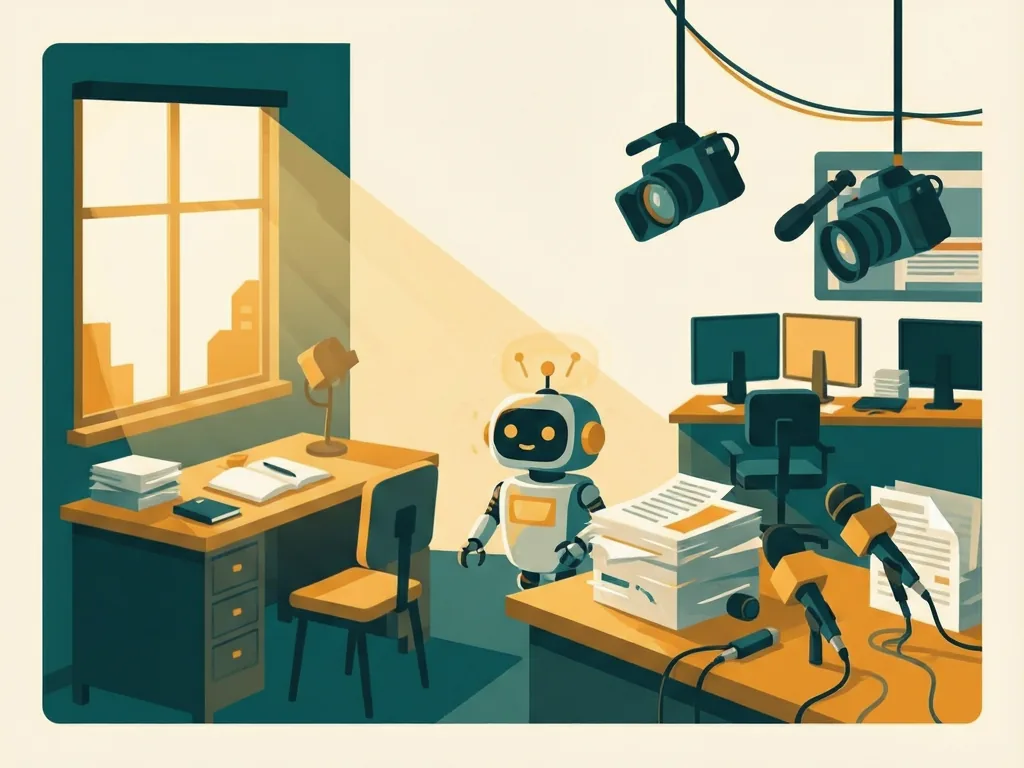
If you follow the intersection of artificial intelligence and news media, OpenAI's latest move is worth your attention. The company is broadening its support for journalism through new tools, educational programs, and collaborative partnerships aimed at students, educators, working journalists, and entire news organizations. This article breaks down what OpenAI is doing, who benefits, and what it could mean for the future of news. Whether you're a journalism student wondering how AI fits into your studies, an educator designing a curriculum, or a newsroom leader weighing AI adoption, here's a clear look at the announcement and why it matters.

What OpenAI Is Announcing
OpenAI's journalism initiative centers on three pillars: providing practical tools, offering training and education, and building partnerships across the news ecosystem.
The idea is straightforward. Rather than treating journalism as an industry that AI simply disrupts, OpenAI is positioning itself as a partner that helps newsrooms and classrooms use AI responsibly. The company's outreach covers the full pipeline of the profession — from students learning the craft, to the educators who train them, to the reporters and editors producing daily coverage, to the organizations that fund and manage news operations.
Support for Students and Educators
A significant part of the effort targets journalism education. Students entering the field today will almost certainly work alongside AI tools throughout their careers, so understanding both the capabilities and the limitations of these systems has become a core professional skill.
OpenAI's support for educators includes resources designed to help teachers bring AI literacy into the classroom. For journalism programs, this means training that focuses not just on how to use AI, but on when to use it — and, just as importantly, when not to. Editorial judgment, verification, and ethics remain human responsibilities, and educational materials built around that principle help prepare students for real newsroom expectations.
For students, the benefit is practical exposure. Learning to work with AI tools during their education, rather than encountering them for the first time on the job, can shorten the learning curve once they enter professional newsrooms.

What This Means for Working Journalists
For reporters and editors, OpenAI's tools can serve several purposes. AI assistants can help with tasks like summarizing long documents, transcribing interviews, brainstorming angles for coverage, and organizing research. These are time-consuming but essential parts of the job, and speeding them up can free journalists to focus on reporting, interviewing, and writing.
That said, the underlying message from both OpenAI and the broader journalism community is one of caution. AI tools can make mistakes, fabricate information, or misinterpret context. Responsible use means treating AI output as a starting point that always requires human verification — never as a finished product ready for publication. Newsrooms adopting these tools typically pair them with clear editorial guidelines about transparency, correction policies, and disclosure.
Partnerships with News Organizations
The third pillar involves direct collaboration with news organizations. Partnerships of this kind generally give outlets earlier access to tools, technical support, and input into how products evolve for newsroom use. In return, OpenAI gains practical insight into how professional journalists actually work — knowledge that can shape better products.
This collaborative approach reflects a broader trend. Over the past couple of years, the relationship between AI companies and media organizations has shifted from friction toward negotiation and cooperation, with licensing deals and product partnerships becoming more common. OpenAI's focus on training and education alongside these partnerships suggests it wants to build long-term relationships across the industry rather than one-off transactions.
Why This Matters for the News Industry
The news industry has faced sustained economic pressure for years, and many outlets operate with lean staffs and tight budgets. Tools that genuinely reduce time spent on routine tasks could help smaller newsrooms in particular, where a single reporter may cover an entire beat alone.

At the same time, questions remain open. How will newsrooms maintain public trust while using AI? What disclosure standards will readers expect? Will these tools strengthen local journalism or concentrate advantage among large outlets? OpenAI's announcement doesn't answer these questions, but by investing in training and education — not just software — it acknowledges that adoption alone isn't enough. Skills and standards have to develop alongside the technology.
For journalism educators, the announcement is a signal that AI literacy will keep moving from the margins of the curriculum toward its center. For newsroom leaders, it's another indication that AI adoption is becoming less a question of "if" and more a question of "how, and with what safeguards."
Meta description: OpenAI is expanding journalism support with new tools, training programs, and partnerships for students, educators, reporters, and news organizations.
Tags: OpenAI, journalism, AI tools, news industry, media partnerships
Featured image: Abstract, friendly illustration of interconnected lightbulbs, speech bubbles, and a newspaper shape rendered in warm, soft colors — no people, no logos, no text.
Comments (0)