
Enhancing ChatGPT's replies when handling sensitive conversations
OpenAI partnered with over 170 mental health clinicians to improve how ChatGPT detects and responds to signs of emotional distress. The collaboration focused on recognizing distress signals, responding with empathy, and guiding users toward real-world support like crisis lines. As a result, unsafe responses in sensitive scenarios dropped by up to 80%. ChatGPT is not a replacement for professional care, but the update makes it safer and more supportive during difficult emotional moments.

If you've ever turned to ChatGPT during a difficult emotional moment, you're not alone—and OpenAI has been paying attention. In a recent effort to make its chatbot more reliable when conversations touch on mental health, OpenAI partnered with more than 170 mental health clinicians to retrain how ChatGPT detects and responds to signs of distress. The result: unsafe responses dropped by as much as 80% in sensitive situations. Here's what changed, why it matters, and what it means for everyday users.

Why This Partnership Happened
Millions of people use ChatGPT every day, and not all of those conversations are casual. Some users open up about anxiety, loneliness, grief, or darker thoughts. A general-purpose chatbot isn't a therapist, but when someone in distress is talking to one, the responses need to be careful, compassionate, and—crucially—pointed toward real human help.
OpenAI recognized that its models, like any large language model, could sometimes miss the mark in these moments: either overreacting in ways that felt cold or clinical, or underreacting and failing to flag genuine risk. To close that gap, the company brought in over 170 psychiatrists, psychologists, and primary care physicians with real clinical experience. Their role was to evaluate how ChatGPT handled delicate conversations and to help define what a better response actually looks like.
How the Experts Improved ChatGPT's Responses
The clinicians didn't just review transcripts—they helped shape the model's behavior across three key areas:
1. Recognizing signs of distress. The model became better at picking up on language that suggests someone may be struggling, even when the user doesn't say so directly. Subtle cues in phrasing, context, and tone now feed into how the system interprets a conversation.
2. Responding with empathy. Rather than defaulting to stiff, scripted replies, ChatGPT was guided toward warmer, more human-sounding responses—ones that acknowledge what the person is going through instead of jumping straight to solutions or disclaimers.
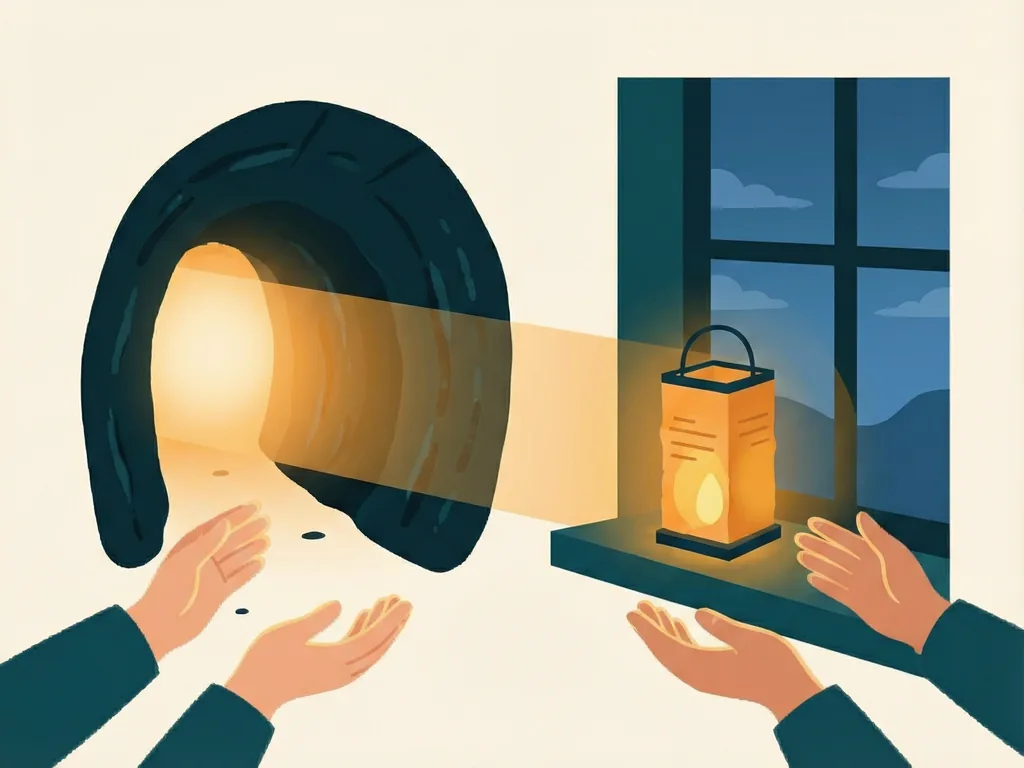
3. Guiding users toward real-world support. When a conversation raises real concern, the goal is no longer just to chat. The model now works to connect people with appropriate resources—crisis lines, professional help, and other forms of real-world support—without being pushy or alarmist.
The Results: Up to 80% Fewer Unsafe Responses
The measurable outcome is significant. According to OpenAI, in evaluations of how ChatGPT handles sensitive conversations, responses that experts deemed unsafe fell by up to 80% compared with earlier versions of the model.
That number is worth unpacking. It doesn't mean ChatGPT is now a mental health tool, and it doesn't mean the model is perfect. What it does mean is that in the specific scenarios clinicians tested—conversations involving potential self-harm, crisis situations, and emotional vulnerability—the model's worst failure modes became far less common. The 170+ clinicians involved reviewed these improvements, and OpenAI has indicated this work is ongoing rather than a one-time fix.
What This Means for Everyday Users
For most people, the change will be subtle. You may notice that ChatGPT responds more gently and thoughtfully if a conversation drifts into difficult emotional territory. You're more likely to see it suggest professional resources when appropriate, and less likely to see it either brush off a serious concern or respond in a way that feels robotic.

A few things worth keeping in mind:
- ChatGPT is not a substitute for professional care. This update makes it safer and more supportive, but it remains a general-purpose AI assistant, not a licensed provider.
- If you're in crisis, reach out to a crisis line or emergency services directly. Tools like ChatGPT can help point you there, but they shouldn't be your only stop.
- The improvements apply broadly. Because the changes were made to how the model handles distress signals, they benefit users across topics—whether someone is venting about work stress or discussing something more serious.
The Bigger Picture
This collaboration reflects a broader trend: AI companies bringing domain experts into the development process, especially for high-stakes use cases. Mental health is one of the most sensitive areas where people interact with chatbots, and OpenAI's approach—combining clinical expertise with model evaluation—offers a template other companies may follow.
It also signals an honest acknowledgment: people were using ChatGPT for emotional support whether companies planned for it or not. Designing for that reality, rather than ignoring it, is arguably the responsible path.
The work isn't finished. OpenAI has framed this as an ongoing effort, and as more research emerges on how people actually use AI in vulnerable moments, further refinements are likely. For now, the headline takeaway is simple: conversations with ChatGPT in sensitive moments should feel noticeably safer, warmer, and more likely to point toward genuine help when it's needed.
This article is for informational purposes only and does not constitute medical advice. If you or someone you know is struggling, please contact a mental health professional or a local crisis hotline.
Comments (0)