
Equipping K–12 teachers with hands-on AI competencies
OpenAI Academy and the Walton Family Foundation have partnered to launch AI Skills Jams—interactive, hands-on workshops that help K–12 teachers build practical AI skills. Instead of passive lectures, educators directly use AI tools for real classroom tasks like lesson planning, adapting materials, and parent communications. The teacher-first initiative addresses the gap in formal AI training, emphasizing both capabilities and limitations, and reflects a growing trend of treating AI literacy as a core professional development priority in education.
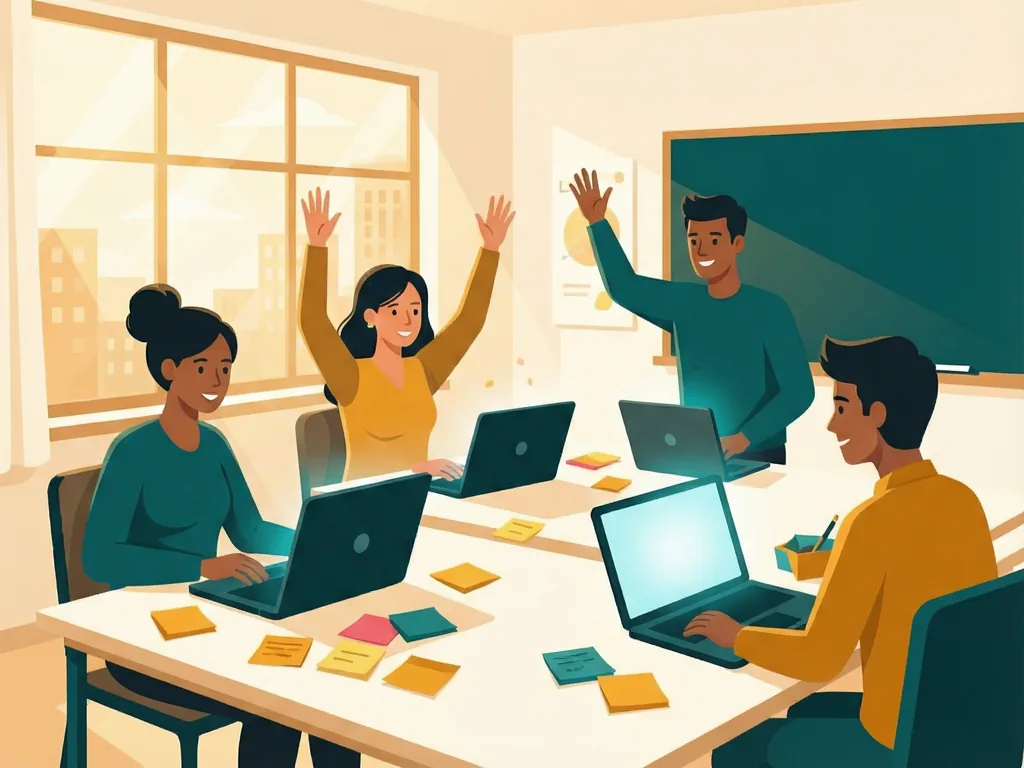
If you're a K–12 educator wondering how to actually use AI in your classroom—not just hear about it in headlines—a new partnership may be worth your attention. OpenAI Academy and the Walton Family Foundation are teaming up to run hands-on "AI Skills Jams," workshops designed to help teachers build practical, everyday AI skills they can bring straight into their teaching. Here's what the program involves, why it matters, and what participating educators can expect to gain.
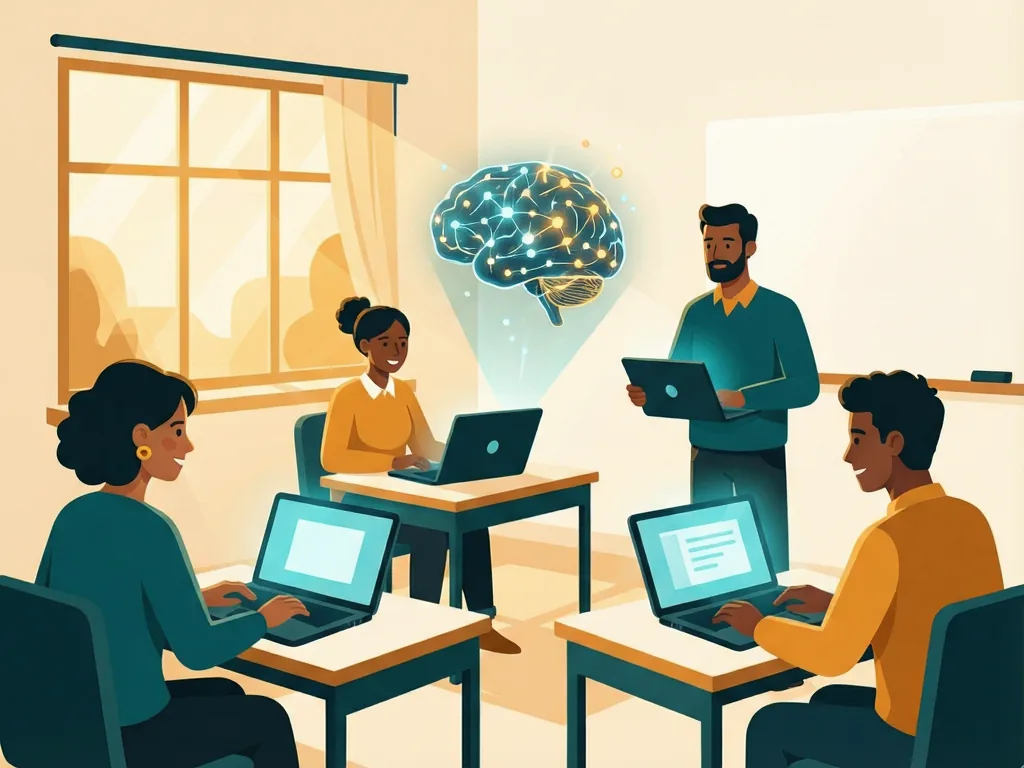
What the AI Skills Jams Are
The AI Skills Jams are interactive, workshop-style sessions rather than passive lectures or webinars. The idea is simple: instead of talking about artificial intelligence in the abstract, teachers sit down and actually use AI tools to solve real problems they face in their work.
That could mean drafting lesson plans, adapting materials for different reading levels, writing parent communications, or generating ideas for classroom activities. The focus is on practice—getting hands on the keyboard, experimenting, making mistakes, and learning what these tools can and cannot do in an educational setting.
OpenAI Academy serves as the learning platform behind the initiative, drawing on OpenAI's educational resources. The Walton Family Foundation, which has long supported education initiatives in the United States, provides partnership backing to bring these sessions to K–12 educators.
Why This Partnership Matters
Many teachers have received little to no formal training in AI, even as tools like ChatGPT have become part of students' daily lives. That gap leaves educators in a tough spot: they're expected to guide students through an AI-shaped world while often having had no chance to explore the technology themselves.
Programs like the AI Skills Jams aim to close that gap from the ground up. By focusing on teachers rather than administrators or policymakers, the initiative puts practical capability directly in the hands of the people standing in front of classrooms every day.
The Walton Family Foundation's involvement also signals a broader trend. Major education funders are increasingly treating AI literacy as a core professional development need for teachers, similar to how digital literacy was handled in earlier decades. When a foundation of this scale partners with a leading AI company, it suggests that hands-on AI training for educators is moving from a nice-to-have into a mainstream priority.
What Teachers Can Expect to Learn
While the exact curriculum may vary by session, the core promise of the Skills Jams is practical application. Educators participating in these workshops can generally expect to:
- Get direct experience with AI tools. Rather than watching demonstrations, teachers use the tools themselves during the session.
- Work on classroom-relevant tasks. The exercises are tied to the real workload of teaching—planning, grading support, communication, and content creation.
- Learn the limits, not just the capabilities. Responsible use is part of the picture. Knowing where AI falls short—factual errors, bias, inappropriate reliance—is as important as knowing where it helps.
- Build confidence. For many educators, the biggest barrier to using AI isn't access but uncertainty. Hands-on practice in a supportive setting helps lower that barrier.
The "jam" framing is deliberate. Just as a music jam session is about playing together rather than performing polished pieces, these sessions are about experimentation and shared discovery among peers.
The Bigger Picture for AI in Education
This initiative fits into a wider wave of efforts to bring AI training to schools. Around the world, governments, nonprofits, and companies are launching programs to help both teachers and students develop AI skills. The challenge has been making that training genuinely useful rather than theoretical.
The teacher-first approach of the AI Skills Jams reflects a lesson learned from earlier technology rollouts in education: tools succeed in classrooms when teachers feel confident and supported in using them. A teacher who understands what AI can do—and what it can't—is far better equipped to guide students responsibly than one who has only read policy memos about it.
For K–12 educators, the message is encouraging: practical AI training is becoming more available, and it's increasingly designed with real classroom demands in mind rather than generic corporate use cases.
Getting Involved
Educators interested in participating should keep an eye on announcements from OpenAI Academy and the Walton Family Foundation regarding session dates, locations, and registration details. As the program rolls out, availability and formats may vary, so checking official channels directly is the most reliable way to find current information.
Even for teachers who can't attend a jam session, the underlying takeaway holds: the fastest way to understand AI's role in education is to start using the tools yourself on small, low-stakes tasks—and build from there.
Meta description: OpenAI Academy and the Walton Family Foundation launch hands-on AI Skills Jams to help K–12 teachers build practical classroom AI skills.
Tags: OpenAI Academy, Walton Family Foundation, AI in education, teacher training, K-12 educators
Featured image: A friendly abstract illustration of colorful puzzle pieces and lightbulbs coming together around a laptop, rendered in a warm flat-design style—no people, no logos, no text.
Comments (0)