
Lifelong Learning in the Age of AI: Never-Ending Education
A new OpenAI report highlights how ChatGPT is making learning continuous beyond the classroom. Students use it as an on-demand tutor to explain concepts, generate practice questions, and check reasoning, while educators leverage it for lesson planning, differentiated explanations, and redesigned assessments. The tool extends educational support to adult learners and under-resourced schools, though responsible use, accuracy verification, and skill-building remain key challenges.
If you're a teacher, student, or parent curious about how AI is actually being used in education, a new report from OpenAI offers a useful reality check. Rather than hype, the report focuses on a quieter shift: learning with ChatGPT no longer stops when class ends. It documents how students and educators are weaving the tool into study habits, homework support, and teaching workflows in ways that extend help into evenings, weekends, and self-directed study time.

Here's a breakdown of what the report covers and why the trend it describes matters.
Learning That Follows You Home
The core idea in OpenAI's report is continuity. Traditional learning is episodic: a lecture happens, the class ends, and support is hard to find until the next session. The report describes how ChatGPT is filling those gaps. Students turn to it when they're stuck on a problem at night, when they want a concept explained a different way, or when they need to revisit material that went by too quickly in class.
This doesn't replace teachers. Instead, the report frames the tool as a layer of support that sits between classroom sessions — closer to on-demand tutoring than to a substitute instructor. For learners who hesitate to raise their hands or ask the same question twice, having a patient, always-available resource can lower the barrier to asking for help.
How Students Are Using It
The report highlights several patterns among students. Many use ChatGPT to break down difficult concepts into simpler language, generate practice questions to test their own understanding, or get feedback on drafts before submitting work. Others use it to organize study plans or summarize long readings so they can focus their attention where it matters most.
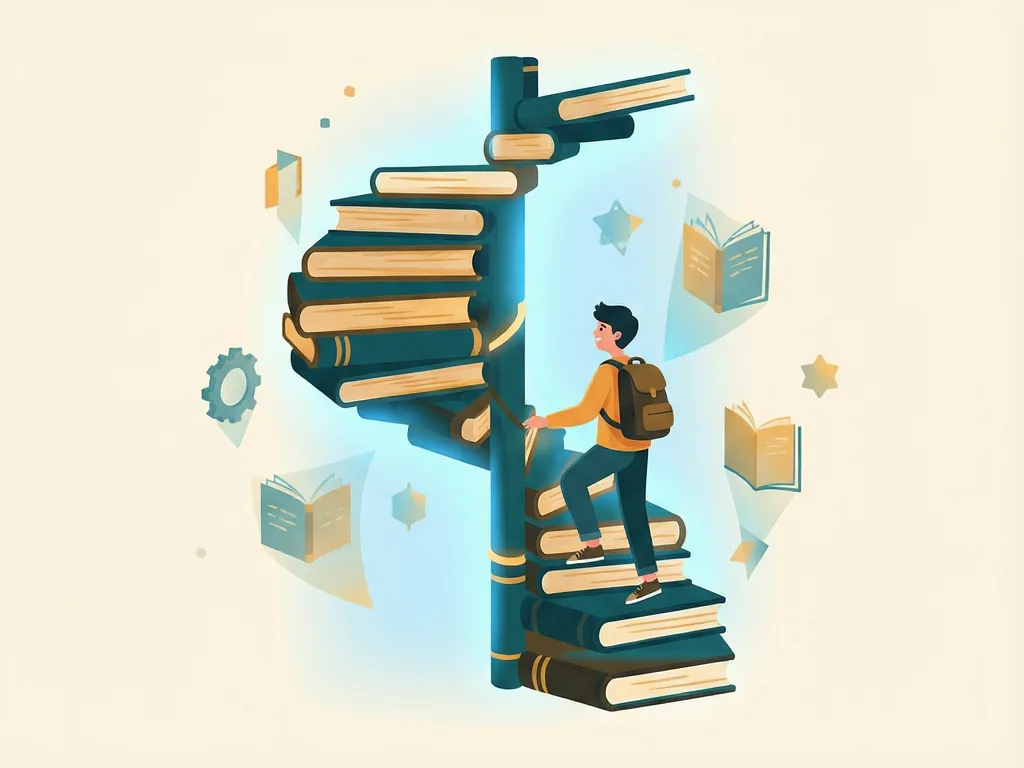
The key theme is that the most valuable uses tend to be interactive. Students who simply copy answers learn less than those who ask follow-up questions, request explanations, and use the tool to check their reasoning. The report suggests that when ChatGPT is used as a thinking partner rather than an answer machine, it supports deeper learning.
How Educators Are Putting It to Work
Teachers and professors are not just managing AI use — many are adopting it themselves. The report describes educators using ChatGPT to prepare lesson materials, adapt explanations for different skill levels, create quizzes and discussion prompts, and speed up routine planning tasks. The time saved often goes back into direct interaction with students.
Some instructors are also redesigning assignments with AI in mind, moving away from tasks that a chatbot can trivially complete and toward projects that require personal reflection, oral defense, or applied problem-solving. In this sense, ChatGPT is prompting a rethinking of what assessment should measure.
Support That Extends Beyond School Walls
One of the report's more notable points is that this kind of learning support reaches people who may not have easy access to tutors or extra help — including adult learners, people studying independently, and students in under-resourced schools. A tool that can explain, quiz, and encourage at any hour offers a form of educational continuity that was previously expensive or unavailable.

That said, the report also acknowledges open questions: ensuring accuracy, teaching students to verify information, and making sure AI use builds skills rather than shortcuts. Responsible adoption, it suggests, depends on guidance from educators and clear norms around when and how to use AI.
Why This Shift Matters
The bigger picture is that learning is becoming less bound to place and schedule. When support follows students home, the pace of learning can adapt to the individual instead of the other way around. OpenAI's report doesn't claim this solves education's problems, but it does document a meaningful change in how students seek help and how teachers free up time for the human parts of teaching.
For educators, the practical takeaway is to experiment deliberately: try the tool for planning and differentiation, set clear expectations with students, and design assignments that reward genuine understanding. For students and lifelong learners, the message is simpler — AI works best when you use it to ask better questions, not just to finish faster.
As adoption grows, expect more research like this that looks past the hype and studies what people actually do with these tools. This report is an early but useful snapshot of learning that no longer ends at the classroom door.
Comments (0)