
Pushing forward speech AI through newly introduced models available via the API
OpenAI's new realtime voice models in the API combine low latency with deep reasoning, live translation, and real-time transcription in a single pipeline. Unlike traditional multi-step voice assistants, they process speech directly, preserving natural conversation flow. Developers can build hands-free assistants, language learning tools, accessibility products, and multilingual customer support without stitching together multiple services.
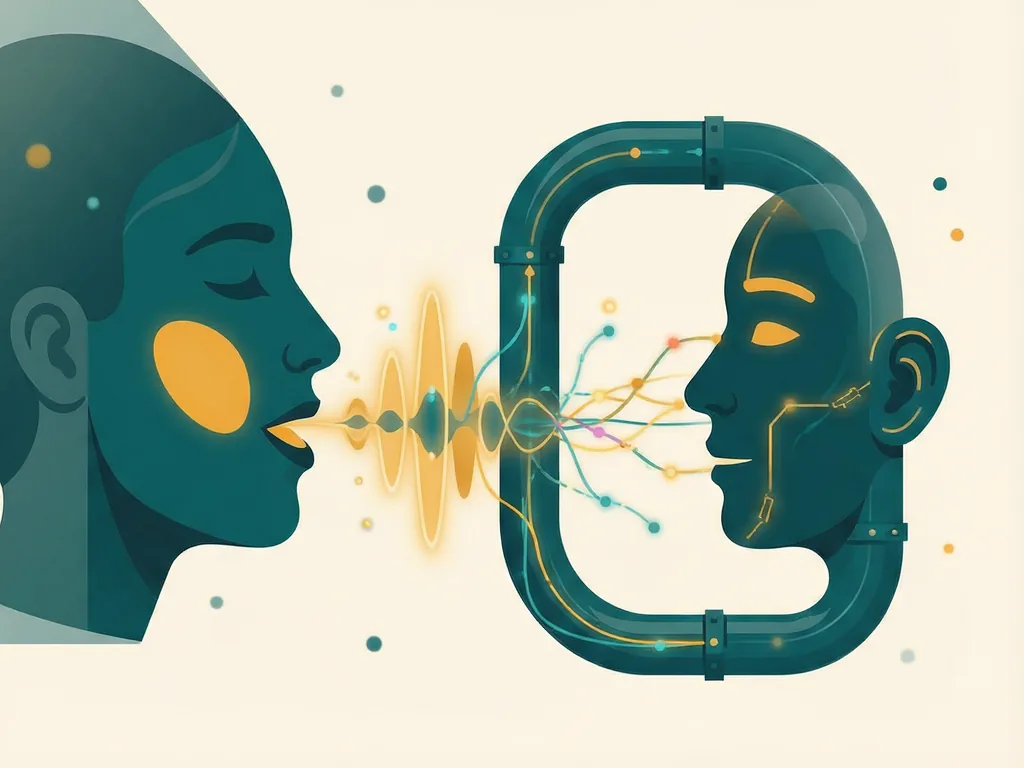
If you build apps with voice features—or you've been waiting for the right moment to start—OpenAI's latest realtime voice models in the API are worth a close look. These models don't just listen and respond. They can reason through complex questions, translate between languages, and transcribe spoken words into text, all while keeping conversations feeling natural. In this article, we'll walk through what these new capabilities mean, how they work together, and what kinds of products they unlock.
What Makes These Realtime Models Different?
Voice assistants have been around for years, but most of them follow a clunky, multi-step process. The audio gets converted to text, the text gets sent to a language model, the response gets converted back to speech. Each step adds delay, and something always gets lost along the way—tone, hesitation, emphasis, the natural rhythm of a conversation.
OpenAI's realtime voice models take a more direct approach. Speech goes in, and intelligent responses come out, with the model handling understanding and generation as part of one flowing process. The result is lower latency and conversations that feel less like dictating to a machine and more like talking to someone who's actually paying attention.
The big news here is the addition of deeper reasoning. Earlier realtime models were fast but relatively shallow in their thinking. The new generation can work through multi-step problems while staying in a live conversation, which means you can ask a nuanced question and get a considered answer without the awkward pause of older systems.
Reasoning Inside a Live Conversation
The reasoning capability is arguably the headline feature. Traditional voice assistants tend to give quick, surface-level answers because deep thinking was too slow for real-time interaction. These new models aim to close that gap.
In practice, this means a user could ask something like, "Help me compare three subscription plans based on how often I travel," and the model can actually weigh the factors rather than reciting a canned description. For developers, this opens up use cases like tutoring sessions where the model explains its thinking step by step, or customer support lines that resolve genuinely complicated issues instead of deflecting to a human.
Built-In Translation and Transcription
Two other capabilities round out the package: translation and transcription.

Translation happens live within the conversation. Someone can speak in one language and the model can respond in another, or bridge a conversation between two people who don't share a language. This has obvious value for travel apps, international customer service, and accessibility tools.
Transcription lets the same voice pipeline capture speech as accurate text in real time. That's useful for meeting notes, live captions, dictation features, and any workflow where you want both the spoken interaction and a written record. Having these in the same API means developers can build complete voice experiences without stitching together separate services from multiple vendors.
What You Can Build With This
The combination of low latency, reasoning, translation, and transcription points to a few clear categories of applications:
- Hands-free assistants that can handle genuinely complex requests, not just set timers and play music.
- Language learning tools where learners practice conversation and get patient, intelligent feedback in real time.
- Accessibility products like live captioning and voice-driven interfaces for people who find traditional screens difficult.
- Multilingual customer support that serves customers in their own language without a large translation team.
Because everything runs through one API, smaller teams can experiment without major infrastructure investment. That's good news for indie developers and startups who previously couldn't justify building sophisticated voice experiences.
Things to Keep in Mind
While the capabilities are impressive, a few practical considerations apply. Realtime voice features typically cost more per minute than text-only interactions, so it's worth reviewing current pricing on OpenAI's pricing page before committing to a design. Latency will also vary depending on network conditions and how your application handles audio streaming, so testing with real users is essential.

Privacy is another factor. Any app that processes speech should be clear with users about how audio is handled, and developers should review OpenAI's usage policies to make sure their use case fits within them.
For the precise technical details—model names, rate limits, supported languages, and API parameters—check OpenAI's official documentation, since those specifics evolve quickly and this overview is meant as a starting point rather than a full reference.
The Takeaway
Voice is becoming a first-class way to interact with AI, and these realtime models make that interaction noticeably smarter. The ability to reason, translate, and transcribe in one pipeline removes much of the friction that kept voice experiences feeling clunky. If you've been putting off a voice feature because the technology felt too limited, this is a reasonable moment to give it another look.
Meta description: OpenAI's new realtime voice models can reason, translate, and transcribe speech in one API. Here's what they enable for developers. (141 characters)
Tags: OpenAI, realtime voice API, speech-to-text, AI translation, voice assistants
Featured image: Abstract, friendly illustration of flowing sound waves transforming into interconnected nodes of light—conveying speech becoming understanding, with no people, logos, or text.
Comments (0)