
Codex is evolving into a productivity tool accessible to everyone
OpenAI's Codex is reshaping knowledge work by moving from answering questions to completing multi-step tasks. The Next Era of Knowledge Work report shows how AI agents accelerate research, make data analysis accessible to non-technical professionals, and automate recurring workflows — freeing humans to focus on judgment, strategy, and creative decisions while emphasizing the need for human review of AI output.
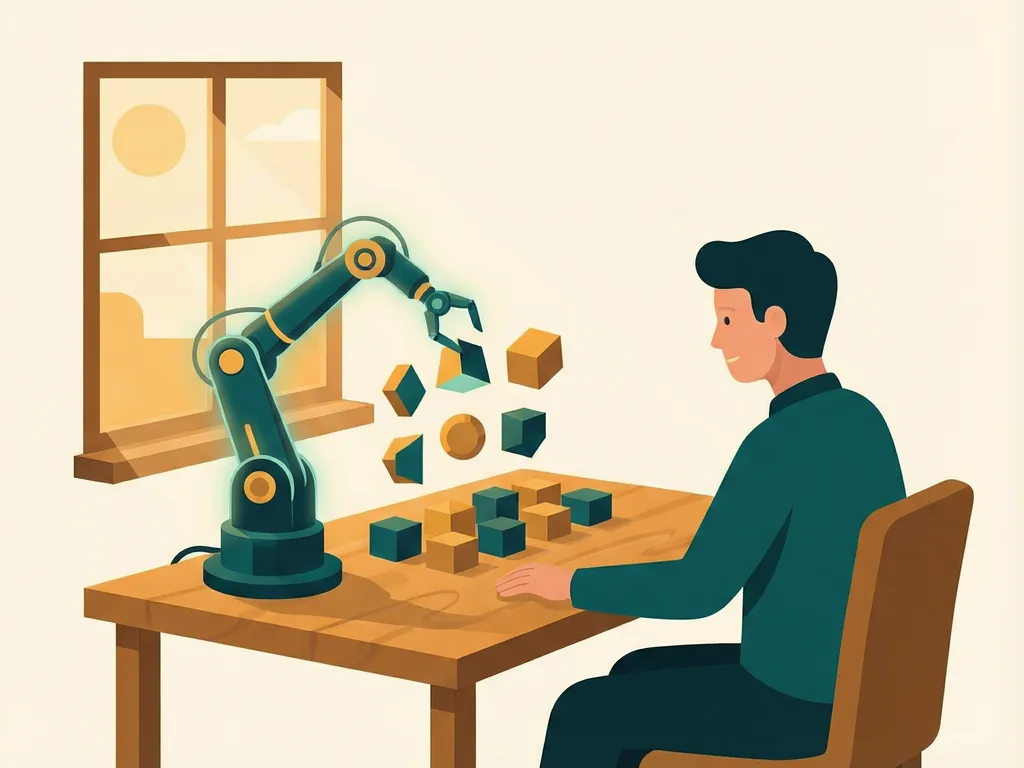
Artificial intelligence is no longer a niche experiment in offices — it has become a daily working partner for millions of people. The "Next Era of Knowledge Work" report takes a close look at how Codex, OpenAI's coding and reasoning agent, is reshaping the way professionals handle their most common tasks. If you work with information for a living — whether as a developer, analyst, marketer, writer, or team lead — this report offers a practical snapshot of what's changing and what you can do about it. This article walks you through the report's core findings on AI-assisted research, data analysis, workflow automation, and content creation, and explains what they mean for your day-to-day work.

Why Knowledge Work Is Being Rewritten
For decades, knowledge work has followed a familiar rhythm: gather information, process it, produce something, and repeat. The report's central argument is that Codex and similar AI agents compress that rhythm dramatically. Instead of spending hours collecting background material or writing boilerplate code, professionals can hand those steps to an AI system and focus on judgment, strategy, and creative decisions.
What makes Codex notable, according to the report, is that it operates as an agent rather than a simple chatbot. It can take on multi-step tasks, work with codebases and documents, and return results that humans then review and refine. That shift — from "AI answers questions" to "AI completes tasks" — is the foundation of the report's broader conclusions about productivity.
AI-Powered Research: From Hours to Minutes
The first major area the report covers is research. Traditionally, gathering context on a new topic means reading through articles, reports, and documentation, then synthesizing what you find. Codex-style agents can accelerate this by scanning large volumes of material, pulling out the relevant points, and summarizing them in a usable form.
The report emphasizes that this doesn't eliminate the researcher's role. Humans still need to verify sources, spot gaps, and decide what actually matters for the question at hand. But the time saved on the mechanical side of research — searching, skimming, and organizing — can be redirected toward deeper analysis. For teams that regularly produce briefings, competitive summaries, or literature reviews, the productivity gain described in the report is substantial.
Data Analysis Without the Bottleneck
The second pillar is data analysis. Many organizations have more data than they can meaningfully use, simply because analyzing it requires specialized skills or significant time. The report describes how Codex can help bridge that gap by writing and running analysis code, cleaning datasets, and generating clear explanations of what the numbers show.
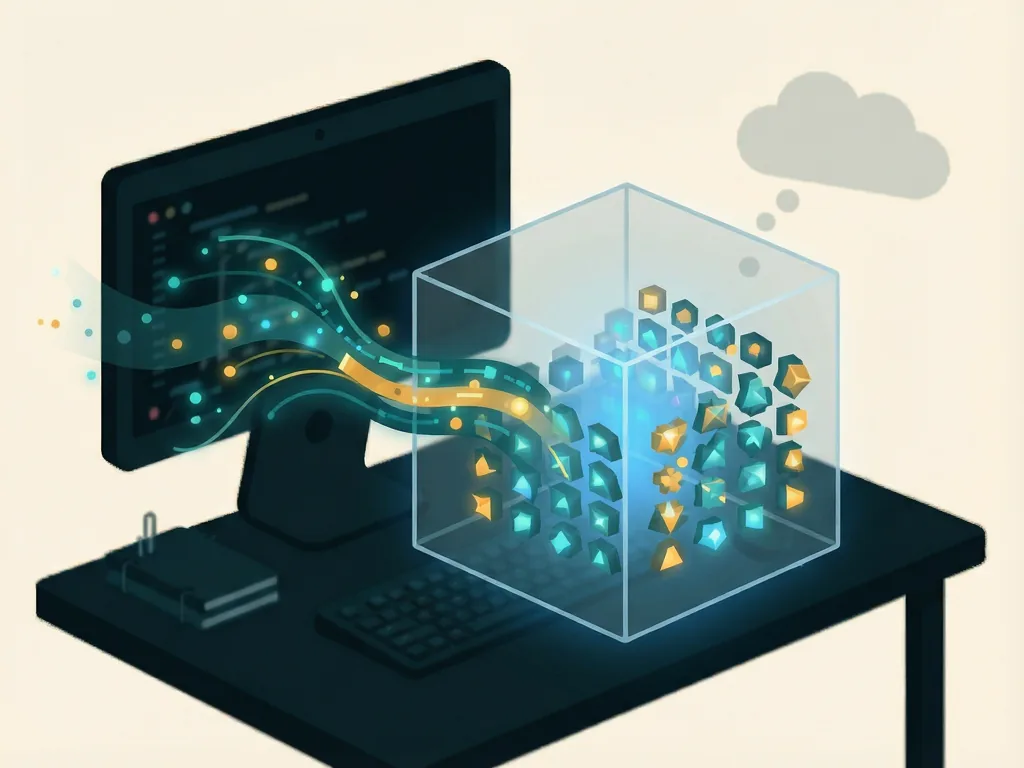
For non-technical professionals, this is perhaps the most empowering part of the report. Tasks that once required a data analyst — building a quick summary of sales figures, testing a hypothesis, or visualizing a trend — become accessible to a much wider group of people. Analysts themselves benefit too: they can delegate routine queries and spend their expertise on the questions that genuinely need human insight.
The report is careful to note the limits, however. AI-generated analysis should always be checked, especially when decisions with real consequences rest on the results. Errors in data cleaning or misinterpreted statistics can slip through if no one reviews the output.
Automating the Workflow, Not Just the Task
Beyond individual tasks, the report highlights workflow automation as a defining feature of the next era. Codex can be integrated into the tools teams already use, handling recurring processes such as generating reports, updating documentation, reviewing code changes, or preparing materials for meetings.
The distinction the report draws is important: automation here isn't the rigid, rule-based automation of the past, which broke whenever circumstances changed. AI-driven agents can adapt to variation — a differently structured file, an unusual request — and still produce a useful result. That flexibility is what makes this wave of automation different from earlier attempts, and why the report sees it as a genuine step change rather than an incremental improvement.
Content Creation as a Collaborative Process
The fourth area is content creation. From marketing copy and technical documentation to internal communications, producing written material consumes a large share of knowledge workers' time. The report describes how Codex can draft, edit, and restructure content quickly, giving humans a strong starting point instead of a blank page.
Again, the report frames this as collaboration rather than replacement. The best results come when professionals provide clear direction, context, and feedback, and the AI handles the heavy lifting of drafting. Tone, accuracy, and brand voice still need a human eye — but the drafting stage, often the slowest part, becomes far faster.

What This Means for You
Taken together, the report paints a picture of knowledge work where the value of a professional increasingly lies in judgment, taste, and accountability rather than raw production speed. A few practical takeaways emerge:
- Learn to delegate well. The skill of breaking a task into clear instructions for an AI agent is becoming as important as doing the task yourself.
- Keep humans in the loop. Every section of the report reinforces that review and verification remain essential.
- Start with repetitive work. The biggest early wins come from automating or accelerating routine tasks, not the most creative ones.
The "Next Era of Knowledge Work" report doesn't claim AI will replace knowledge workers. Instead, it argues that professionals who learn to work alongside agents like Codex will simply get more done — with more time left for the thinking that machines can't do.
Meta description: Explore how the Next Era of Knowledge Work report shows Codex reshaping research, data analysis, automation, and content creation.
Tags: Codex, AI productivity, knowledge work, workflow automation, AI research tools
Featured image: A friendly abstract illustration of a human silhouette and a soft robotic shape collaborating over floating documents and charts, rendered in warm pastel tones with no text or logos.
Comments (0)