
Jumping on the Data Center Bandwagon": An Influence Operation Aimed at the United States
OpenAI banned a cluster of accounts believed to originate from China that used generative AI tools to mass-produce social media posts criticizing US data centers and AI infrastructure projects. The campaign exploited genuine local concerns about noise, energy, and water use to disguise coordinated messaging as organic sentiment. The incident highlights how AI providers increasingly police misuse of their tools and how influence campaigns now target technology narratives themselves.
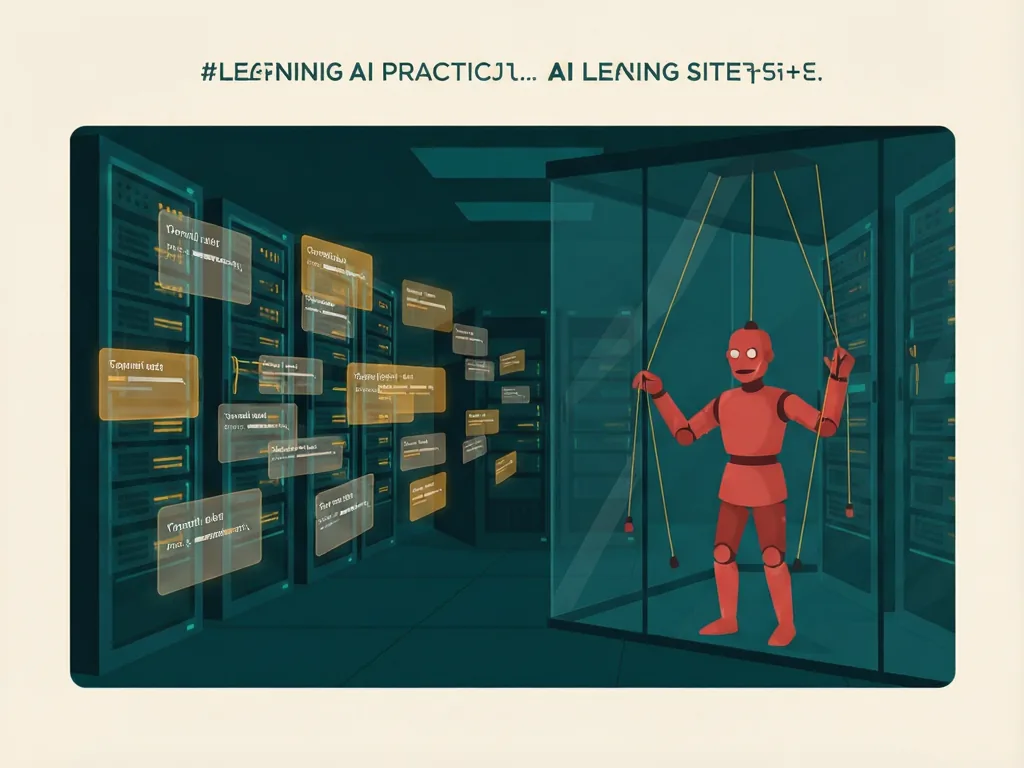
If you follow AI news and online influence campaigns, here's what just happened: OpenAI removed a cluster of accounts from its platform that it believes originated in China (the PRC) and were using generative AI tools to mass-produce social media posts. The content in question criticized US data centers and AI infrastructure projects. This article breaks down what the ban involved, why infrastructure criticism became a target of coordinated posting, and what it tells us about how AI tools are being used in online messaging campaigns.

What OpenAI Discovered
OpenAI regularly reviews activity on its platform and shuts down accounts that violate its usage policies. In this case, the company identified a group of accounts that appeared to be working together rather than independently. Based on available signals, OpenAI assessed that the operation likely traces back to the People's Republic of China.
The accounts were reportedly using OpenAI's models to help write social media content. Rather than posting original human-written commentary, the operators appeared to lean on AI to draft, polish, or scale their messages. When OpenAI spotted the pattern, it banned the cluster from accessing its services.
The Focus: US Data Centers and AI Infrastructure
What makes this case notable is the subject matter. The campaign didn't push typical political talking points or election-related content. Instead, the generated posts criticized the rapid buildout of data centers in the United States — the massive facilities that house the servers powering AI models, cloud computing, and online services.
Data center expansion has become a genuinely contested topic in many communities. Residents near proposed facilities have raised concerns about noise, energy consumption, water usage, and strain on local power grids. Because these concerns are real and widely discussed, content criticizing data centers can blend easily into authentic public debate, which is precisely what makes coordinated campaigns on this theme difficult to spot.
By using AI to generate such posts at scale, the operators could apparently amplify criticism of US AI infrastructure while making it look like organic public sentiment.

Why This Matters for AI Platforms
OpenAI's usage policies prohibit using its models for influence operations, deception, and coordinated inauthentic behavior. The company has published periodic reports describing clusters it has banned, often tied to specific countries or networks. This latest action fits that ongoing pattern: AI providers are increasingly in the position of policing how their tools get used, not just selling access.
The case highlights a broader tension. The same language models that help marketers, students, and writers also make it cheap and fast to produce convincing posts in volume. Detection therefore depends less on spotting awkward AI-generated text and more on behavioral signals — posting patterns, account relationships, coordination across platforms, and how the accounts grew over time.
It's also a reminder that influence campaigns are evolving. Narratives about technology itself — whether data centers are good or bad for communities — are now fair game, not just traditional political topics.
What We Know and What We Don't
It's worth being careful about the limits of the information here. OpenAI's assessment that the cluster was PRC-origin is the company's own analysis, based on technical and behavioral evidence it hasn't fully disclosed publicly. Determining who is truly behind an online operation is notoriously difficult, and attributions can be contested.

Similarly, details like the exact number of accounts, which social platforms the content appeared on, and how much reach the posts achieved aren't specified in the basic report of this ban. Readers should treat the attribution as a serious claim from the platform operator rather than independently verified fact.
The Bigger Picture
This incident sits at the intersection of several ongoing trends. First, AI companies are actively hunting for misuse within their own platforms and cutting off access when they find it. Second, infrastructure debates — especially around data centers and energy use — have become strategic messaging territory. Third, the line between genuine grassroots concern and manufactured outrage keeps getting blurrier as AI writing tools improve.
For everyday readers, the practical takeaway is simple: strong opinions about data centers or AI companies online may not always come from the people they appear to come from. That doesn't mean criticism of data centers is invalid — many local concerns are legitimate — but volume and intensity online aren't proof of genuine sentiment either.
For platform watchers and policy researchers, the case adds another data point to the growing record of AI-assisted influence operations, and another example of OpenAI positioning itself as an active gatekeeper rather than a neutral utility.
Expect more bans like this one. As long as generating persuasive content stays cheap and fast, platforms will keep investing in detection, and attribution fights between governments and tech companies will continue.





Comments (0)