
Operation "Look-alike": A Russian influence campaign aimed at Ukraine
OpenAI has banned accounts linked to Russia's Doppelganger influence operation that used its AI tools to generate anti-Ukraine social media comments, multilingual translations, and website copy. The campaign impersonated Western media outlets to spread coordinated propaganda. The ban highlights both the misuse of generative AI in large-scale influence operations and the effectiveness of detection systems. Users are urged to watch for coordinated inauthentic behavior, and further takedowns remain possible.

OpenAI has taken action against a network of accounts tied to "Doppelganger," a Russia-linked influence campaign. According to the company, these accounts were using its AI tools to mass-produce content aimed at spreading anti-Ukraine messaging online. This article explains what the operation was doing, how AI fit into its workflow, and why the ban matters for anyone following AI safety and online misinformation.

What the Doppelganger Operation Was Doing
Doppelganger is a Russia-origin influence operation that has been active for some time, known for impersonating Western media outlets and pushing coordinated narratives across social platforms. In this latest case, OpenAI found that accounts connected to the operation were using its models to generate short social media comments targeting Ukraine, as well as translations and website copy in multiple languages.
In other words, the group wasn't just using AI to write text in Russian or English—it was using it to adapt the same propaganda into several languages, making the content easier to distribute across different countries and audiences.
How AI Was Used in the Campaign
The banned accounts reportedly relied on AI for a few specific tasks:
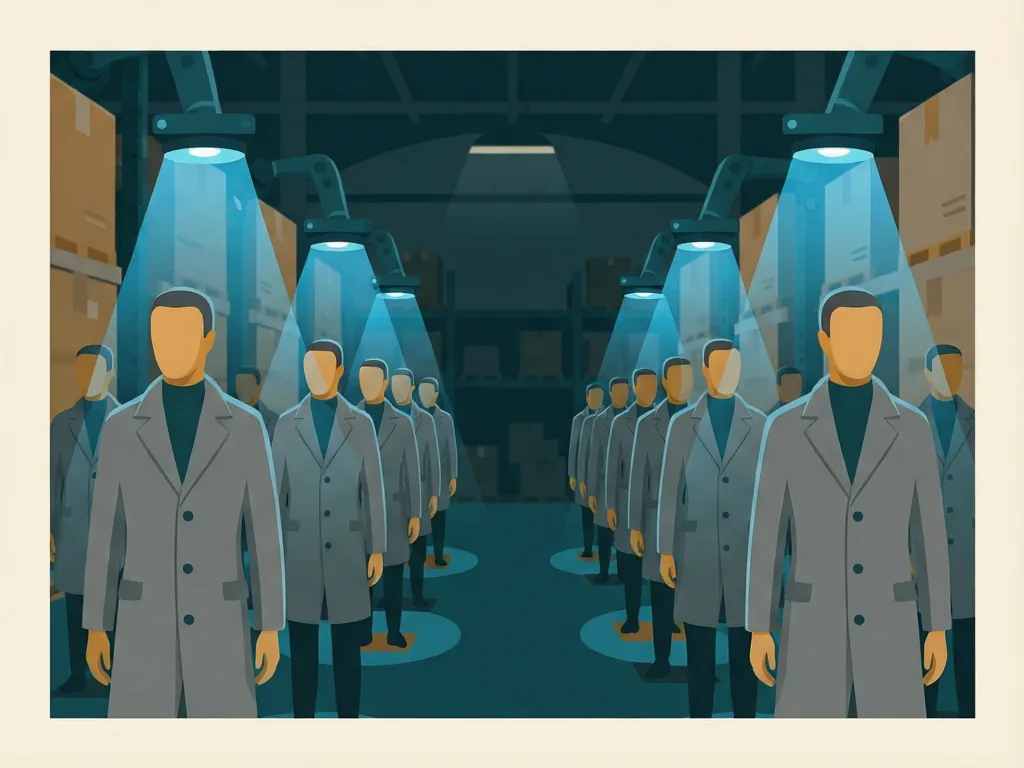
- Writing social media comments with anti-Ukraine framing, likely to flood discussions and create a false impression of grassroots opinion
- Translating content so the same messaging could reach audiences who speak different languages
- Producing website copy to support the operation's network of fake or imitated news sites
This pattern shows how generative AI can lower the cost and effort required to run a large-scale influence campaign. Instead of hiring teams of writers and translators, an operation can automate much of the content production pipeline.
Why the Ban Matters
OpenAI's move is part of a broader effort by AI companies to detect and disrupt misuse of their tools. The company has periodically published reports on influence operations it has banned, and Doppelganger has appeared in previous disclosures as well.
There are two sides to the takeaway. On one hand, the ban shows that misuse is happening—bad actors are actively testing how AI can support disinformation work. On the other hand, OpenAI's ability to identify and cut off these accounts suggests the monitoring systems are catching at least some of this activity.
It's also worth noting that researchers and watchdog groups, including OpenAI's own reporting, have previously indicated that AI-generated content from such operations often didn't gain significant engagement or traction. The concern is less about any single campaign succeeding and more about the industrial scale that automation makes possible.

What This Means for Everyday Users
For regular readers of social media and news, cases like this are a reminder to stay alert to coordinated content, especially around sensitive geopolitical topics. Signs of coordinated inauthentic behavior can include repeated near-identical comments, newly created accounts pushing the same talking points, and websites that imitate legitimate news outlets.
For AI users and developers, it reinforces that platforms are actively enforcing their usage policies. Using generative AI for coordinated deception violates the terms of service of major providers, and enforcement can mean permanent account bans.
OpenAI has not indicated that this enforcement effort is finished, and further takedowns of similar operations remain possible as monitoring continues.
Comments (0)