
How Ramp's engineering team speeds up code reviews using Codex
Ramp's engineering team pairs OpenAI's Codex agent with the GPT-5.5 model to streamline code reviews. Codex delivers substantive feedback in minutes, catching bugs and style issues before human reviewers step in. The result: faster shipping, fewer review round-trips, consistent standards, and more time for engineers to focus on architecture and high-level design decisions.
Code review has long been one of the slowest steps in software development. Engineers submit a change, then wait — sometimes hours — for teammates to leave feedback. At fintech company Ramp, that wait is shrinking dramatically. By pairing OpenAI's Codex coding agent with the GPT-5.5 model, Ramp's engineers now get substantive review comments in minutes rather than hours, and they use that time savings to ship improvements faster. This article breaks down how that workflow works and what other teams can learn from it.
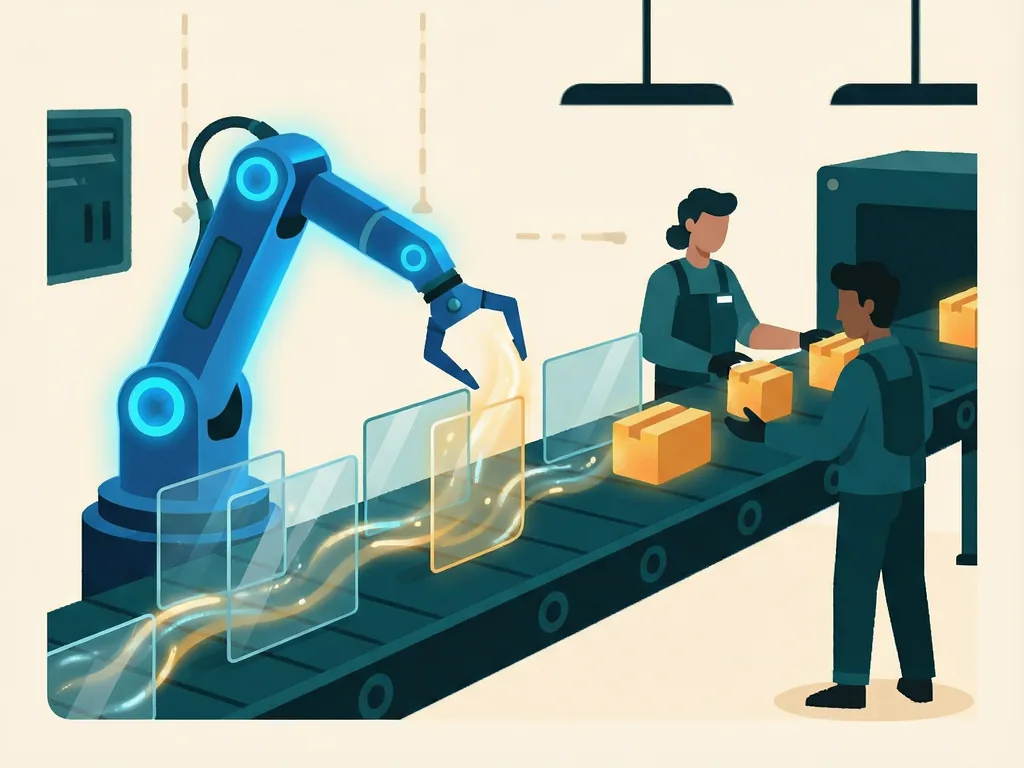
Why Code Review Became the Bottleneck
For most engineering teams, human reviewers are a scarce resource. A senior developer might have dozens of pull requests competing for their attention, and context-switching between them eats up entire afternoons. Meanwhile, the author of the change sits idle or piles up unfinished work.
Ramp's approach doesn't remove human reviewers — it adds an AI-powered first pass. When an engineer opens a pull request, Codex examines the diff and returns detailed comments covering potential bugs, edge cases, and style concerns. By the time a human reviewer looks at the code, many obvious issues have already been caught and fixed, so their attention goes to higher-level design questions instead of line-by-line nitpicks.
How Codex and GPT-5.5 Fit Into the Workflow
Codex acts as an autonomous agent inside the development environment. It can read the codebase, understand the intent behind a change, and produce review feedback that goes beyond simple linting. Running on GPT-5.5 gives it stronger reasoning about complex code paths — the kind of subtle logic errors that traditional static analysis tools routinely miss.
The typical flow at Ramp looks like this:
- An engineer pushes a branch and opens a pull request.
- Codex analyzes the diff along with surrounding code for context.
- It posts comments flagging risks, suggesting simplifications, or pointing out missing test coverage.
- The author addresses the feedback immediately, often within the same session.
- A human reviewer then evaluates a cleaner, better-prepared change.
The key insight is timing. Because the AI feedback arrives in minutes, the author can act on it while the change is still fresh in their mind. That tight loop eliminates the start-and-stop friction of waiting on a colleague's schedule.
What the Team Gains
The most obvious benefit is speed: substantive feedback lands in minutes instead of hours. But the downstream effects matter just as much:
- Human reviewers save energy. Instead of hunting for typos and naming issues, they focus on architecture, security, and business logic.
- Fewer review round-trips. Many issues get resolved before a human ever sees the code, cutting the back-and-forth cycles that stretch reviews across days.
- More consistent standards. The AI applies the same level of scrutiny to every change, including small ones that might otherwise get a rubber stamp.
- Faster shipping. Shorter review cycles mean improvements reach production sooner — a meaningful advantage for a fast-moving financial products company.
What Other Teams Should Keep in Mind
Ramp's setup is powerful, but it works best with a few guardrails. Treat AI feedback as a strong first draft, not a final verdict — false positives happen, and engineers should feel free to push back with justification. Keep humans in the loop for anything touching security, compliance, or money movement, which is essential at a company like Ramp. And make sure the agent has access to enough repository context so its comments reflect how the codebase actually works, not just what the diff shows.
The bigger lesson applies broadly: AI works best in code review when it handles the fast, mechanical first pass, leaving judgment calls to people. Teams that structure their workflow this way can reclaim hours of engineer time every week without sacrificing quality.
Want to try something similar? Start small — run Codex on a handful of non-critical pull requests, measure how much review time it saves, and expand from there.



Comments (0)