
Citing Paul Ford
AI can generate impressive code, but building great software has never been just about writing code. Drawing on Paul Ford's argument, this article explains why the flood of AI-assisted projects often falls flat: lower barriers to entry don't supply the judgment, collaboration, and craftsmanship that excellent products demand. Developers' roles are shifting toward deciding what to build, coordinating disciplines, and refining AI output—making AI an amplifier rather than a replacement.
Meta description: AI can now write impressive code, but great software still depends on human judgment, collaboration, and craft. Here's why developers aren't done yet.
Tags: generative-ai, llms, software-development, paul-ford, ai

A Moment of Doubt for Developers
If you're a software developer wondering whether your career still has a future, you're not alone. There was a stretch of time—not long ago—when it genuinely seemed like the answer might be no. Writing code is, after all, exactly the kind of work AI tools were built to do. Machines don't get tired, don't lose focus, and don't ask for raises. For a while, many of us in the industry quietly asked ourselves: how are we supposed to compete with that?
That fear was understandable, and it hasn't disappeared entirely. But something interesting has happened since. The panic is giving way to a more nuanced understanding of what AI can and cannot do—and why the humans in the loop matter more than ever.
AI Can Code, But Coding Isn't the Whole Job
Here's the key insight the industry has been slowly absorbing: building truly excellent software was never just about typing lines of code. It involves thinking through problems, arguing about trade-offs, understanding what users actually need, and combining different areas of expertise. These are deeply human activities.
AI models can produce very good code—there's no denying that. But the tools have also made it possible for people to do work that belongs to someone else, and to do it poorly. A marketer can now generate a rough app feature; a manager can hack together a script. The barrier to writing software has dropped dramatically.
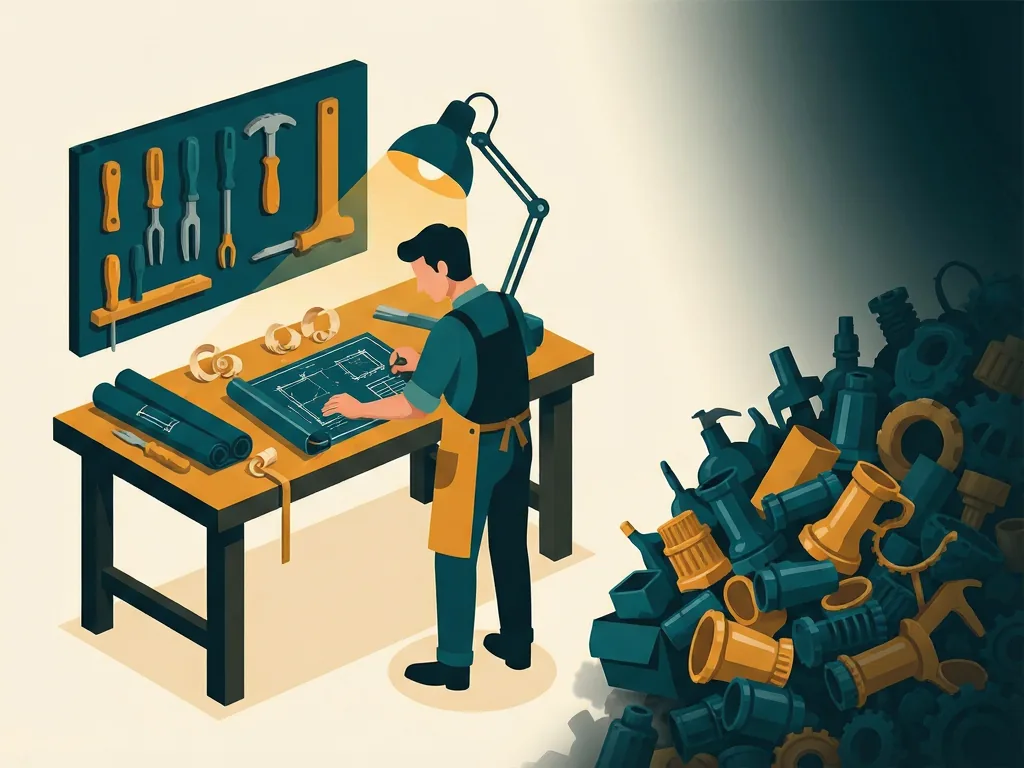
The catch? Lower barriers to entry don't automatically produce better products. In fact, they've contributed to a wave of underwhelming projects. When anyone can generate something that looks finished, it becomes easy to ship software that's shallow, brittle, or simply misses the point. Technology writer Paul Ford made this exact argument in his piece "A.I. Was Supposed to Give Us New Killer Apps. What Happened?", observing that now that everyone can code, it's become obvious why many people shouldn't.
Why So Many AI-Built Projects Fall Flat
The flood of mediocre software isn't really the AI's fault. The models do what they're asked. The problem is that "what they're asked" often comes from people who lack the experience to know what to ask for.
Great software demands judgment: knowing when an elegant solution is overkill, when performance matters more than readability, when a feature should be cut entirely. It requires teams to collaborate, challenge each other, and refine ideas over time. These skills take years to develop, and they don't transfer to a prompt box.
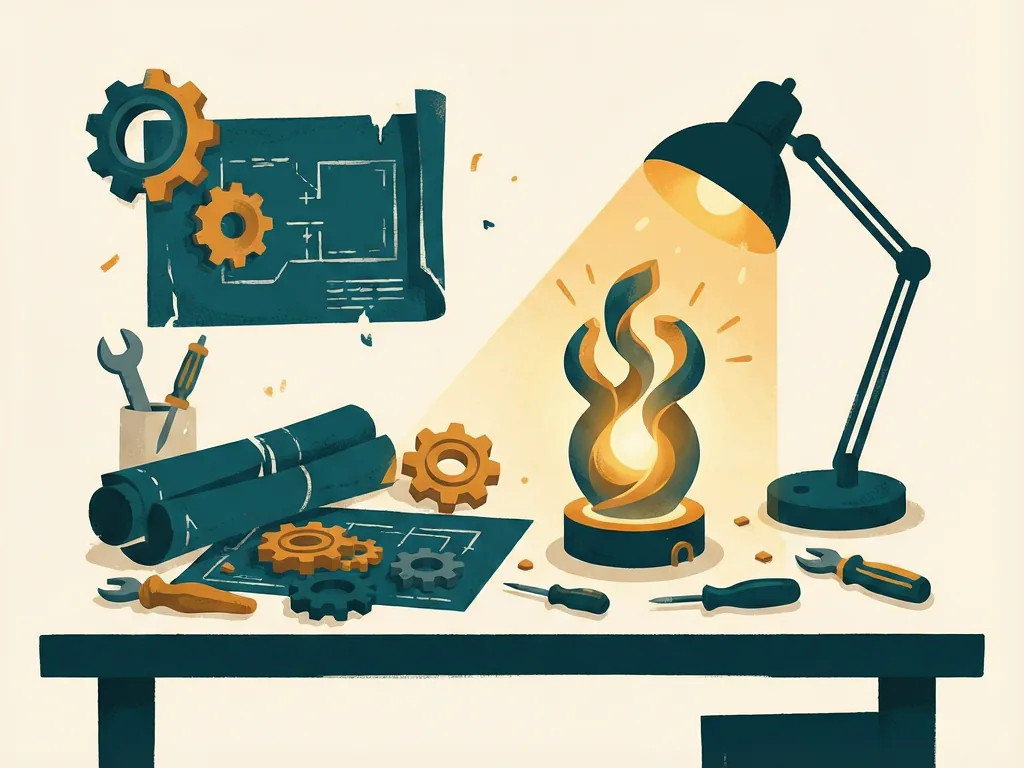
This is why so many AI-assisted projects fail to become "killer apps." The tool can generate the code, but it can't supply the vision, the discipline, or the craftsmanship that separate a product people love from a demo that impresses for five minutes.
The Human Advantage Is Coming Into Focus
Rather than replacing developers, AI is clarifying what developers are actually for. The role is shifting away from pure code production toward the things machines still can't do well:
- Deciding what to build and why it matters to real users
- Coordinating across disciplines—design, engineering, product, business
- Reviewing and refining AI-generated code with an experienced eye
- Owning the outcome, including the messy judgment calls along the way
In this picture, AI becomes a powerful amplifier rather than a replacement. Developers who sharpen their judgment and collaborate well will find the tools make them faster and more capable. Developers who coast on generated output without understanding it will struggle—which, frankly, was always true.
The Takeaway
If you work in software and felt your stomach drop during the early days of the AI boom, you can exhale—cautiously. The industry is settling on a healthier view: AI writes good code, but good code isn't the same thing as good software. That gap is where human skill lives, and it's not closing anytime soon. The developers who thrive will be the ones who lean into thinking, teamwork, and genuine craft—using AI as a tool, not a substitute for all three.
Comments (0)