
Broadening AI availability and cyber protection across federal, state, local, and tribal government agencies
OpenAI and the U.S. GSA struck an agreement offering eligible federal, state, local, and tribal governments $0 license fees and 50% off usage costs, plus expanded cyber defense support. The deal removes major cost barriers to AI adoption, enabling agencies to run broader pilots for drafting, citizen services, and data analysis, though eligibility criteria and security details must be confirmed through official channels.

What the deal includes
OpenAI and the U.S. General Services Administration (GSA) have announced an agreement designed to make AI tools more affordable for public sector organizations. Under the arrangement, eligible federal, state, local, and tribal governments can access OpenAI's offerings with $0 in license fees and 50% off usage costs. The agreement also includes expanded support for cyber defense.
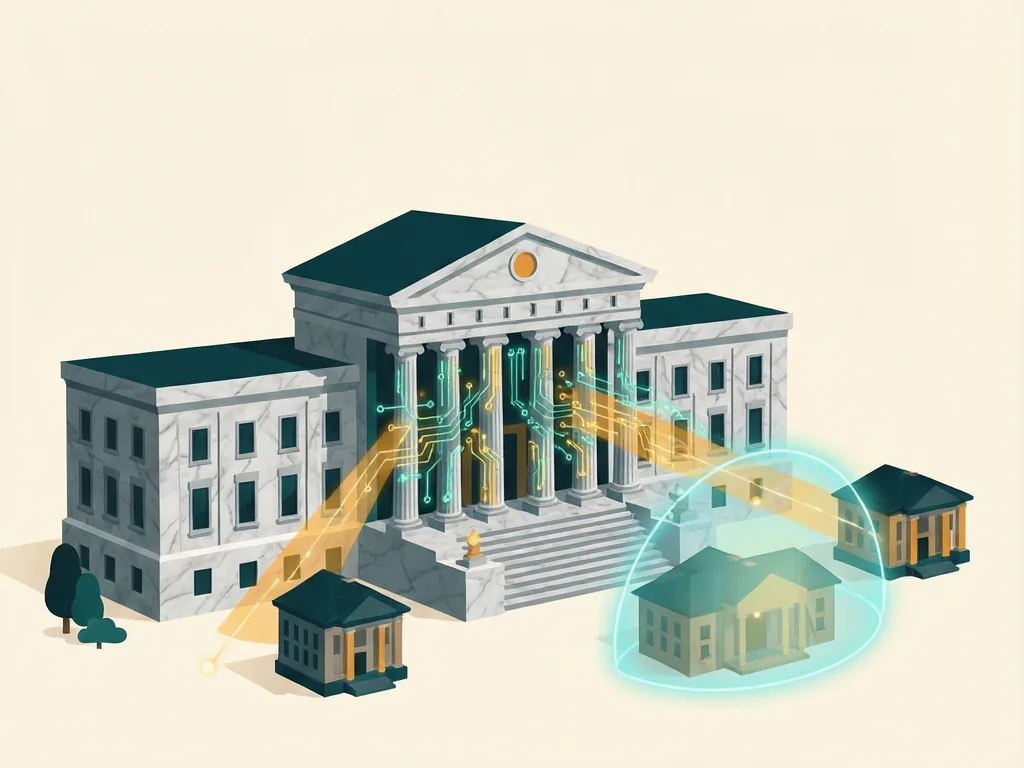
For agencies that have been hesitant to adopt AI because of budget constraints, this deal significantly lowers the barrier to entry. License fees and usage charges are often the two biggest line items in any AI deployment, and cutting both makes pilot programs and full rollouts far more realistic for organizations working with public funds.
Who qualifies
The agreement covers a broad range of government bodies:
- Federal agencies operating at the national level
- State governments and their departments
- Local governments, including cities and counties
- Tribal governments
The word "eligible" matters here. The announcement indicates that not every government entity automatically qualifies, and specific eligibility criteria and enrollment details would need to be confirmed through official GSA and OpenAI channels before an agency commits to a plan.
The cyber defense component
Beyond pricing, the deal includes expanded support for cyber defense. This is a notable piece of the agreement, since security concerns are consistently among the top reasons government IT leaders cite for moving slowly on AI adoption. Agencies handle sensitive data, and any tool that touches their workflows needs to meet strict security standards.
While the announcement confirms that cyber defense support is part of the package, agencies evaluating the offer should ask for specifics: what that support includes, which teams it covers, and how it integrates with existing security programs. As with any government technology agreement, the details in the contract will matter more than the headline terms.
Why this matters for the public sector
Government adoption of AI has lagged behind the private sector for understandable reasons: procurement rules, security reviews, budget cycles, and accountability requirements all slow things down. Deals like this one attempt to address the cost side of that equation.
If the pricing holds as described, agencies that previously could only run small experiments with AI may be able to test broader use cases, things like drafting assistance, citizen service support, internal document search, and data analysis. The 50% usage discount is particularly relevant here, because usage-based costs tend to grow quickly once a tool moves from pilot to production.
It's also worth noting the signaling effect. When the GSA, the agency that manages procurement for much of the federal government, partners with a major AI company, it often encourages other vendors to offer similar public sector pricing. Competitors may follow with their own government-focused deals, which would give agencies more choice and negotiating power.

What agencies should do next
For organizations considering this offer, a few practical steps make sense:
- Confirm eligibility through official GSA guidance before budgeting around the discount.
- Clarify the terms of the cyber defense support in writing.
- Estimate real usage costs — the 50% discount applies to usage, so understanding projected consumption is key to planning.
- Start with limited pilots in low-risk areas before scaling to sensitive workflows.
- Review data handling policies to make sure any deployment aligns with the agency's records and privacy obligations.
Bottom line
The OpenAI–GSA agreement removes two of the biggest cost obstacles to government AI adoption: license fees and usage pricing. Eligible federal, state, local, and tribal governments can now explore AI tools at a fraction of the usual cost, with added support on the security side. As always with public sector deals, agencies should verify eligibility and contract details through official channels before committing.
Meta description: OpenAI and GSA will give eligible federal, state, local, and tribal governments $0 license fees, 50% off usage, and expanded cyber defense support.
Tags: OpenAI, GSA, government AI, cyber defense, public sector technology
Comments (0)