
The Everlasting Complement
AI matters by clearing routine work, making ideas easier to execute. Future advantage comes from judgment, coordination, and accountable review.
Key Takeaways
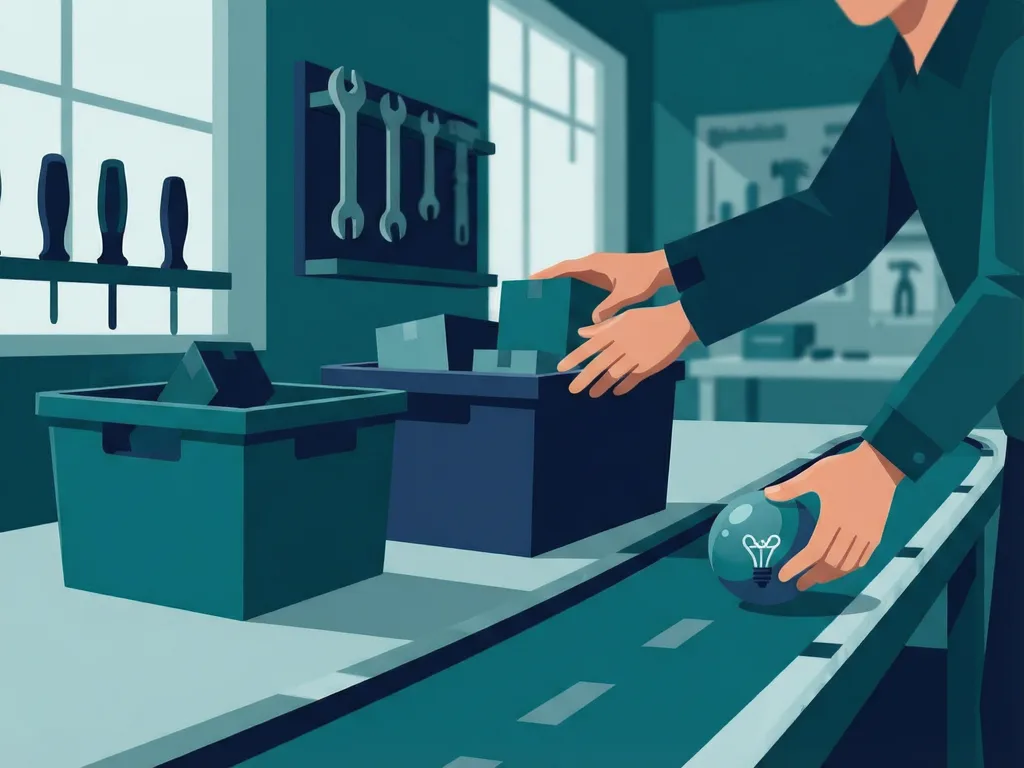
- Advanced AI may be most valuable not for creating breakthroughs directly, but for handling the routine tasks that keep ideas from becoming finished results.
- As AI makes execution faster and cheaper, the bottleneck shifts from producing work to deciding what matters, evaluating outputs, and integrating them into real workflows.
- Human skills such as problem specification, judgment, coordination, trust-building, and quality control may become more important than simple drafting or diagram creation.
- Faster routine execution could shorten innovation cycles, but it also creates more need for review, accountability, privacy checks, and process redesign.
Meta description: Advanced AI may be most useful for the ordinary tasks that support major breakthroughs. This explains why execution could shape future progress.
Tags: advanced AI, routine work, AI productivity, innovation, economic impact
Featured image: abstract friendly illustration of a robot arm sorting paperwork while a glowing light bulb appears behind it, no real people, no logos, no text
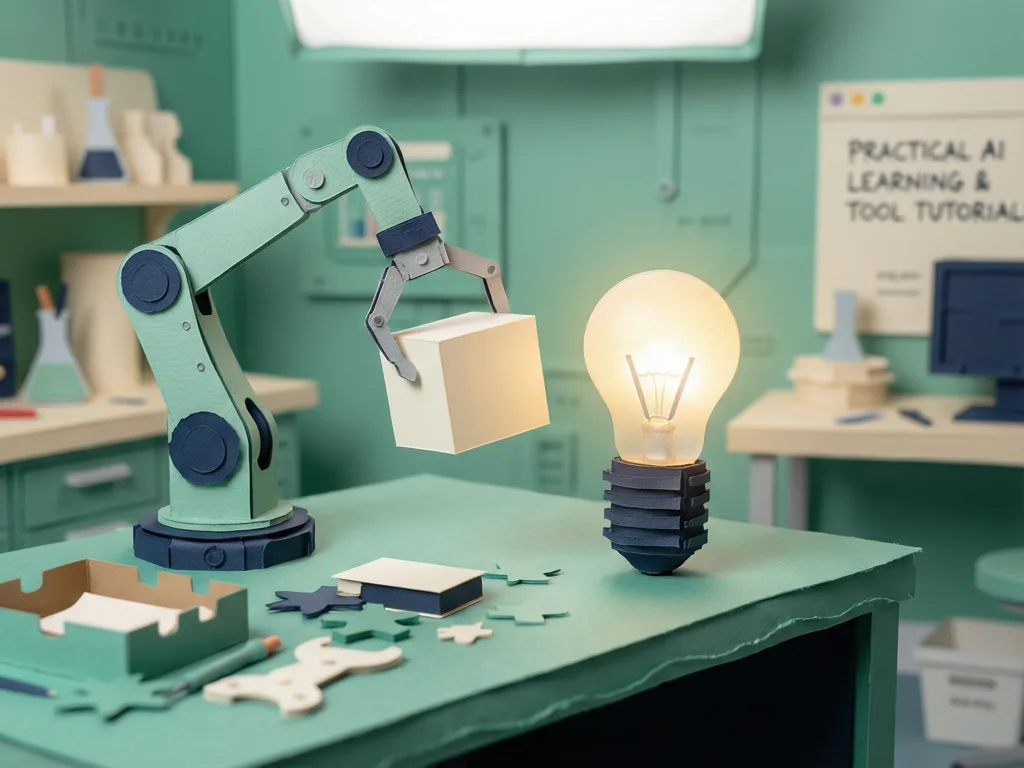
In many workplaces and research settings today, advanced AI systems are being used to assist with repetitive tasks such as drafting, summarizing, organizing, and checking work. This explainer is for employees, founders, and managers who want to understand what that shift means for everyday jobs, innovation speed, and the economy. The key idea is simple: the technology may matter most not when it invents something new, but when it clears the small steps that keep new ideas stuck.
The Hidden Work Behind Big Ideas
Breakthroughs rarely happen in a single dramatic moment. A product change, a scientific finding, or a policy reform usually depends on many less visible tasks: cleaning a spreadsheet, rewriting a document for another audience, comparing options, documenting a process, or turning a rough plan into something another person can follow. These tasks are not glamorous, but they are where time and attention often disappear.
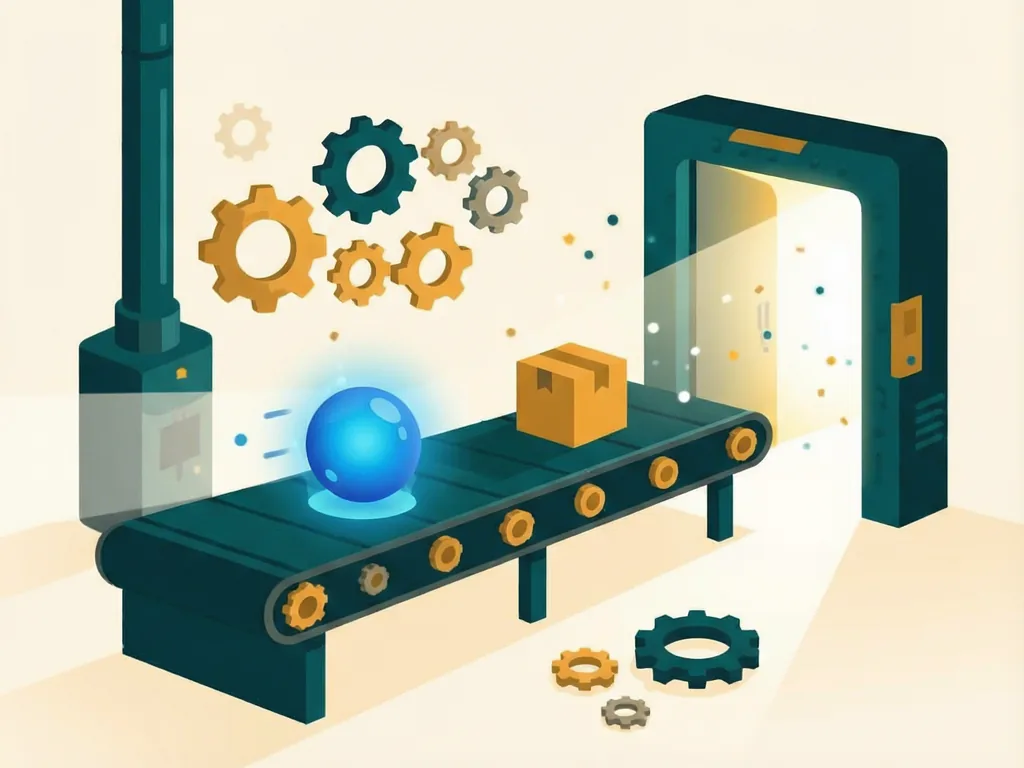
AI systems can help with parts of this ordinary layer of work. They can produce a first draft, pull key points from long text, suggest a structure, translate a technical summary into plain language, or generate a checklist. For many organizations, that means less waiting and fewer handoffs. A person can start from a usable version rather than a blank page.

That does not make the technology the author of the idea. It makes the path from intention to result shorter. When the cost of doing a basic version of a task falls, people can try more things, ask better questions, and spend more time on judgment.
Execution Becomes the Scarcity
When execution gets easier, ideas alone may create less advantage. Many teams already know what they could improve; the bottleneck is often follow-through. AI can help turn a known goal into a draft email, a prototype description, a meeting agenda, or a set of tests. But it still needs a human to decide what matters, what is correct, and what should be done.
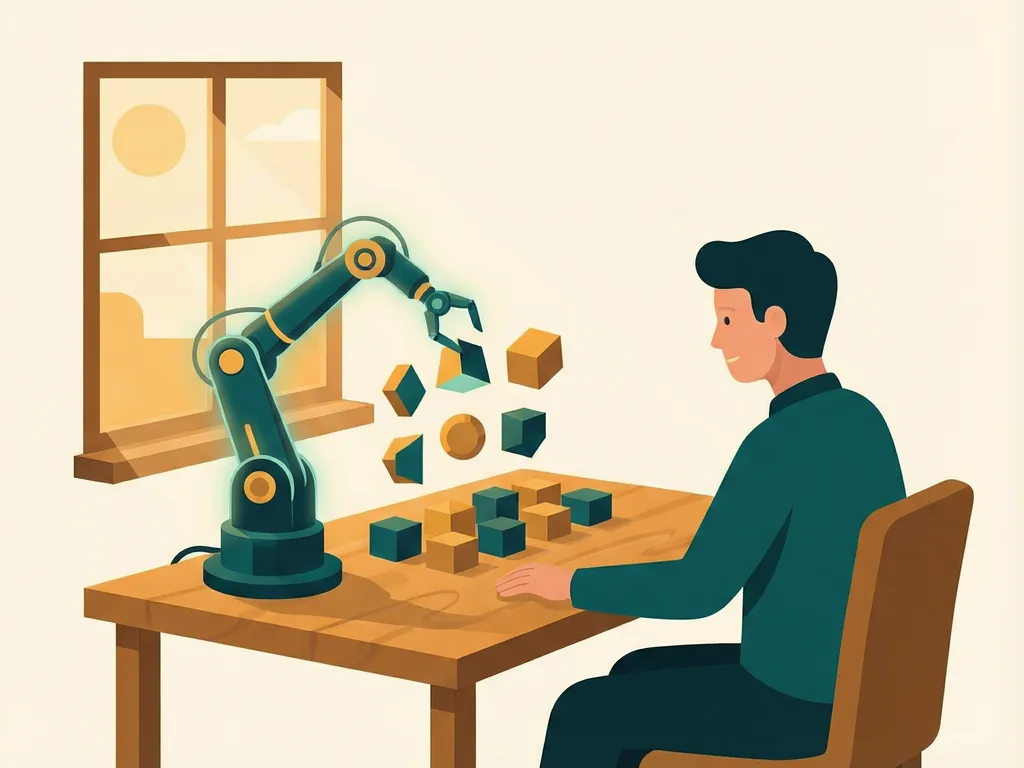
This changes the value of different skills. The ability to specify a problem, evaluate output, coordinate people, and maintain trust may become more important than the ability to produce raw text or simple diagrams. In practice, the worker who can check results, edit them, and put them into a real workflow may gain more from AI than the worker who only asks the system for volume.
Why the Pace of Progress May Change
If routine execution becomes cheaper and faster, innovation cycles can shorten. A company can test more product concepts. A school can prepare more materials for different learners. A public agency can handle more routine requests while staff focus on complex cases. The effect is not magic: it depends on whether the output is accurate, useful, and integrated into existing systems.
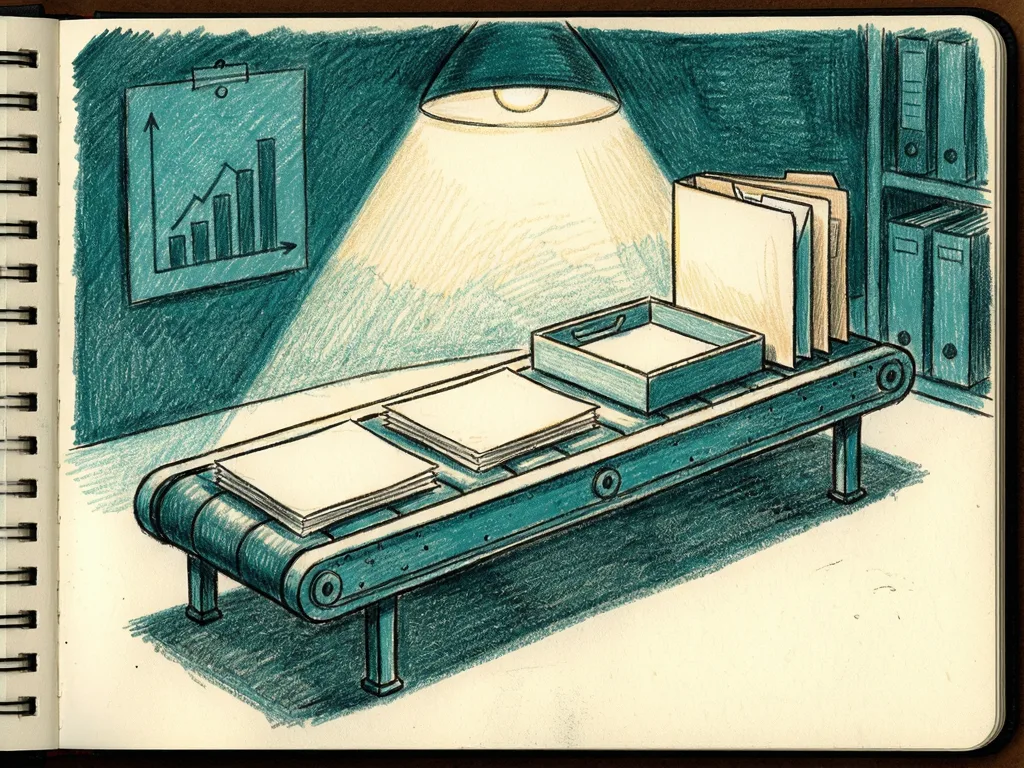
The economy may also see new layers of coordination work. More drafts can mean more review. More automation can mean more need for version control, privacy checks, and quality review. The next competitive edge may belong to organizations that use AI without losing accountability.
What to Watch Next
The practical question is not only whether AI can do a task, but whether it saves enough time to justify the risks. Buyers and users should look for tools that fit a real workflow, leave a record of what was changed, and make errors easy to catch. Workers should think about which parts of their job are truly routine and which require context, safety, or trust.
The broader impact will depend on three things: how reliable these systems become in high-stakes settings, how quickly companies redesign processes around them, and how well people learn to supervise machine-generated work. If those areas improve, advanced AI may quietly raise the speed of progress by doing the unremarkable work that keeps breakthroughs from becoming finished results.
Comments (0)