
Chinese state-linked misuse: Monitoring and influence campaigns
OpenAI banned a set of accounts linked to China after discovering they used its AI tools for surveillance planning, targeted profiling of individuals, and research on critics. The incident highlights how general-purpose AI can be exploited for state-linked monitoring, the difficulty of detecting coordinated abuse, and the growing pattern of influence operations and deception using AI platforms, with regulators worldwide watching closely.
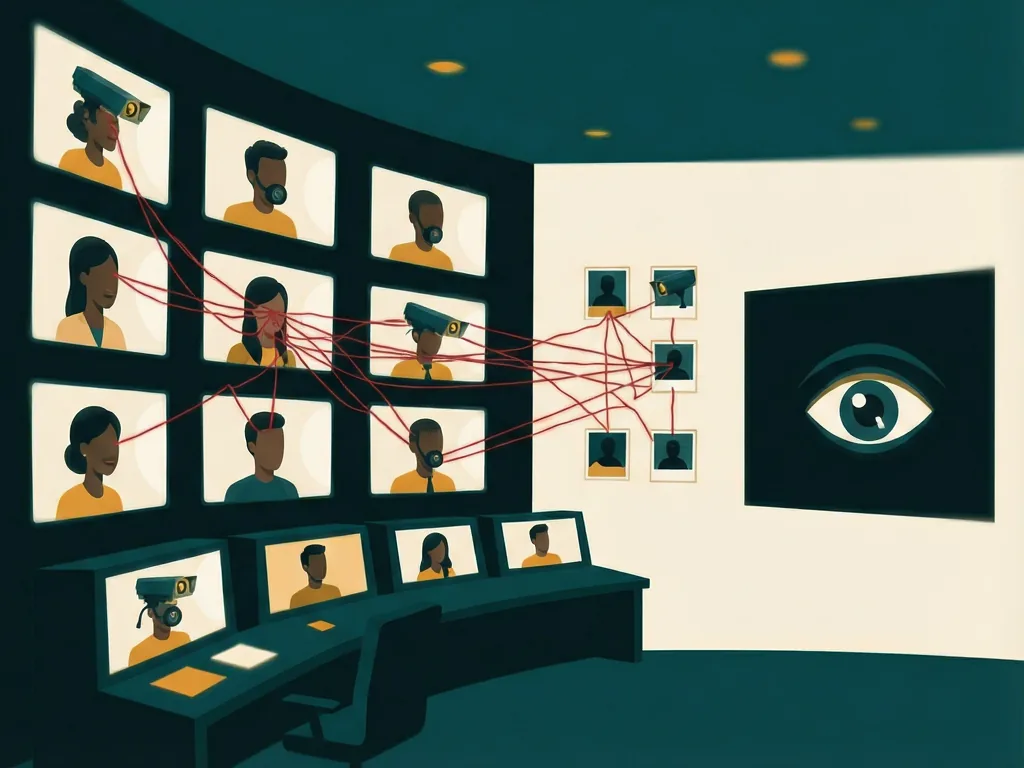
If you follow how artificial intelligence is being used — and misused — around the world, this week brought a notable development: OpenAI has removed a set of accounts connected to China after discovering they were using its tools in ways the company considers unacceptable. In this article, we'll break down what happened, what the banned accounts were reportedly doing, and what it tells us about how AI companies police their platforms. Whether you're a casual ChatGPT user, a policy watcher, or just someone trying to understand the headlines, here's a plain-language guide to the story.

What OpenAI Says It Found
According to OpenAI, the accounts in question had links to the People's Republic of China. The company says these accounts were using its AI models to help with activities that fall squarely into the surveillance category. Specifically, the reported uses included:
- Planning support for surveillance operations — using AI to help think through or organize monitoring-related work.
- Targeted profiling — building detailed profiles of specific individuals.
- Research on critics and other individuals — compiling information on people viewed as critics, apparently to learn more about them or track their activity.
None of this, OpenAI maintains, is what its technology is for. The company subsequently banned the accounts involved.
Why This Matters
It's worth pausing on why this kind of ban is significant. AI tools like ChatGPT are general-purpose by design — the same model that helps a student summarize an article can, in theory, help someone organize information about individuals. That flexibility is precisely what makes misuse possible.

When OpenAI detects and removes accounts tied to state-linked surveillance work, it's drawing a line: its models shouldn't be used to support monitoring, profiling, or targeting of private individuals. Enforcing that line requires the company to watch for patterns in how accounts behave, then act when those patterns look abusive.
For ordinary users, the practical impact is minimal — this doesn't change how ChatGPT works day to day. But it does highlight an ongoing tension: powerful, widely available AI tools will keep attracting actors who want to use them for purposes their developers never intended, and the companies behind those tools will keep having to respond.
The Bigger Pattern
This is not an isolated incident, and it's part of a broader conversation. AI developers including OpenAI have previously reported disabling accounts linked to various state-affiliated networks using their products for influence operations, deception, and intelligence-gathering tasks. Each round of bans adds to a growing record of how AI systems are being tested — and exploited — by sophisticated users.
A few takeaways from this pattern:

- Misuse is evolving. Actors are learning how to fold AI into existing workflows, from drafting materials to processing information at scale.
- Detection is hard. Companies rely on a mix of automated signals and human review to spot coordinated abuse, and no system catches everything.
- Policy enforcement is public. By announcing bans, AI companies are trying to set expectations — both for would-be abusers and for regulators watching how they handle these responsibilities.
What Happens Next
Expect continued cat-and-mouse dynamics. When one set of accounts is removed, new ones often appear, and detection methods have to adapt. Regulators and lawmakers in multiple countries are also paying close attention to cases like this one, as they shape rules around how advanced AI can be deployed and by whom.
For users, the main thing to know is simple: uses involving surveillance, profiling of individuals, or targeting people based on their views violate the rules of major AI platforms — and companies are demonstrating they will enforce those rules when they find violations.
The Bottom Line
OpenAI's decision to ban PRC-linked accounts using its tools for surveillance planning, individual profiling, and research on critics is a reminder that AI safety isn't just about what models can do — it's about who uses them and how. The enforcement actions themselves are quiet: accounts get disabled, and a summary gets published. But the underlying story is one of the defining questions of this era of technology: how do you keep a powerful, open tool from being turned against the very people it's meant to help?
Comments (0)