
Gaining insight into neural networks via sparse circuit analysis
OpenAI is advancing mechanistic interpretability—reverse-engineering how neural networks reason—using sparse circuit analysis. Sparse models activate few components at a time, making it easier to trace internal features to real-world concepts, detect biases, shortcuts, and unintended behaviors early. While foundational and still evolving, this research promises more auditable, predictable, and trustworthy AI systems for developers and everyday users alike.

If you've ever wondered what's happening inside an AI system when it produces an answer, you're not alone — and OpenAI is digging into exactly that question. The company is investigating a field called mechanistic interpretability, which aims to explain how neural networks reason step by step, rather than treating them as mysterious black boxes. Its researchers have introduced a new sparse model approach that could make AI behavior more transparent and, ultimately, safer and more dependable for everyday users.

What Is Mechanistic Interpretability?
Modern AI models are built from enormous networks of artificial neurons, and their internal workings are famously hard to follow. A model might give a correct answer, but understanding why it gave that answer is a much tougher problem.
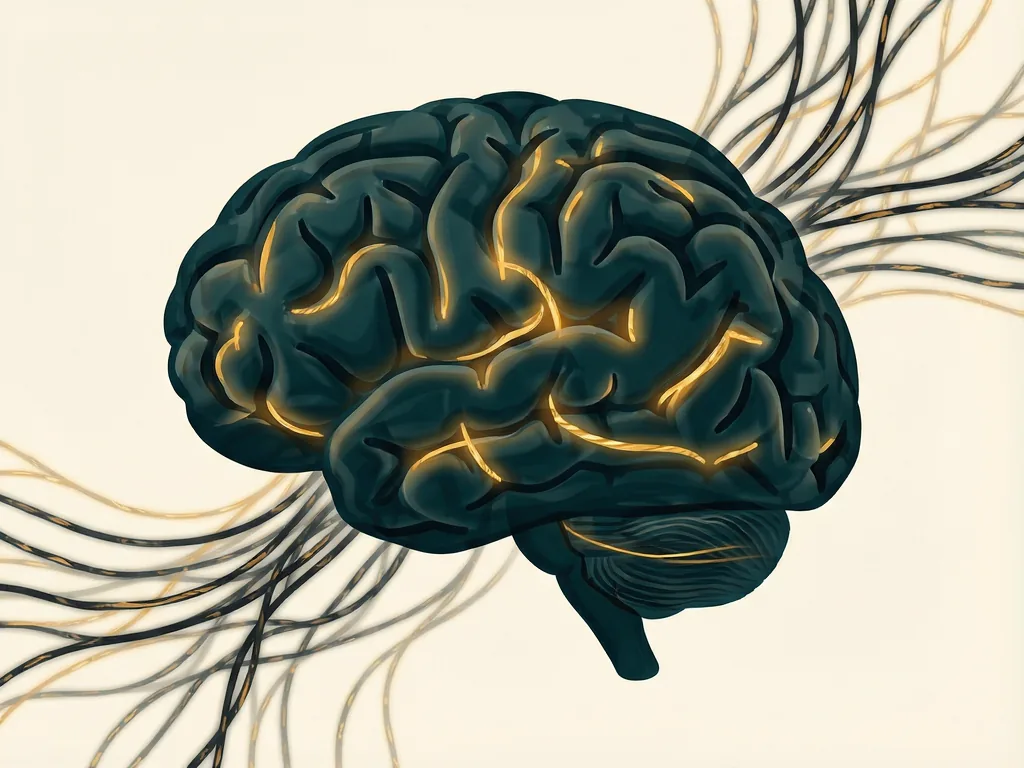
Mechanistic interpretability is the effort to reverse-engineer these internal processes — essentially opening the hood to see which parts of the network activate for which concepts or tasks. Instead of just judging a model by its outputs, researchers try to map the actual machinery behind them.
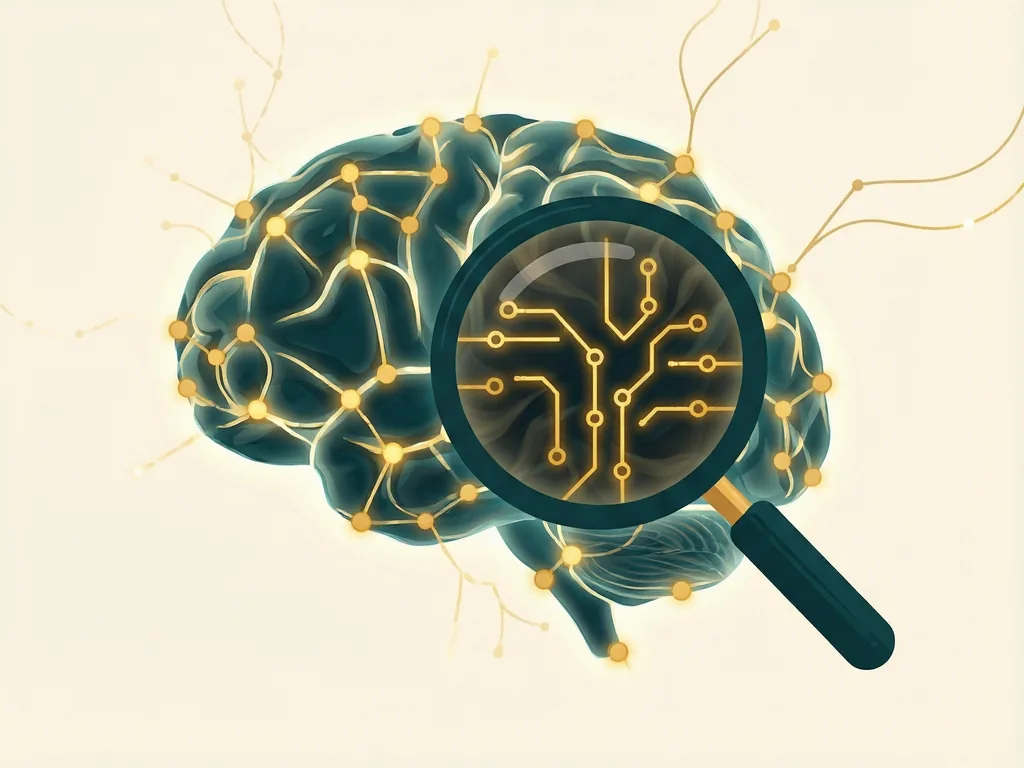
OpenAI's new work focuses on a sparse modeling technique. In simple terms, sparse models represent ideas using only a small number of active components at a time, rather than spreading information across many overlapping ones. This makes it easier to trace which internal features correspond to real-world concepts, which is a major step toward readable, explainable AI.
Why Transparency Matters for Safety
Understanding a model's internals isn't just an academic exercise. It has practical consequences for anyone who relies on AI tools.
When researchers can identify what a network has learned, they're better equipped to spot unwanted behaviors before they cause problems — such as a model learning shortcuts, picking up biases, or developing strategies that look fine on the surface but aren't what its designers intended. Transparency gives teams a way to check a system's reasoning rather than only its results.
Sparse representations help here because they reduce the tangle. When fewer components are active at once, it becomes more practical to examine what each one contributes. That clarity can support more reliable behavior, since problematic patterns can potentially be identified and addressed directly.
What This Could Mean for Users
For most people, this research won't change how they interact with AI tomorrow — it's foundational work. But over time, it could lead to systems that are more trustworthy: models whose behavior can be audited, whose mistakes can be diagnosed more easily, and whose decision-making can be explained to the people who depend on them.
For developers and organizations building on top of large language models, interpretability research like this offers a path toward greater confidence in the tools they deploy. For everyday users, it points toward AI that behaves more predictably and earns its reliability rather than simply appearing to have it.
The Road Ahead
It's worth noting that interpretability is still an evolving research area. Sparse models are a promising direction, but fully explaining the reasoning of today's large networks remains a significant challenge. OpenAI's work is best seen as progress toward that goal — a way of making AI systems progressively more transparent — rather than a finished solution.
Still, the direction is clear: as AI plays a larger role in work, education, and daily life, efforts to understand these systems from the inside out will only grow more important.
Comments (0)