
Teen-focused AI literacy guides for families and young learners
OpenAI has published expert-reviewed AI literacy resources for teens and families, covering four key themes: responsible use, critical thinking, healthy boundaries, and navigating emotional or sensitive topics. The guides encourage treating ChatGPT as a thinking partner rather than a shortcut, verifying AI answers, balancing usage with offline life, and seeking real human support for difficult conversations. For parents, they offer a framework for discussing AI expectations and reinforce that open communication matters more than restriction alone.
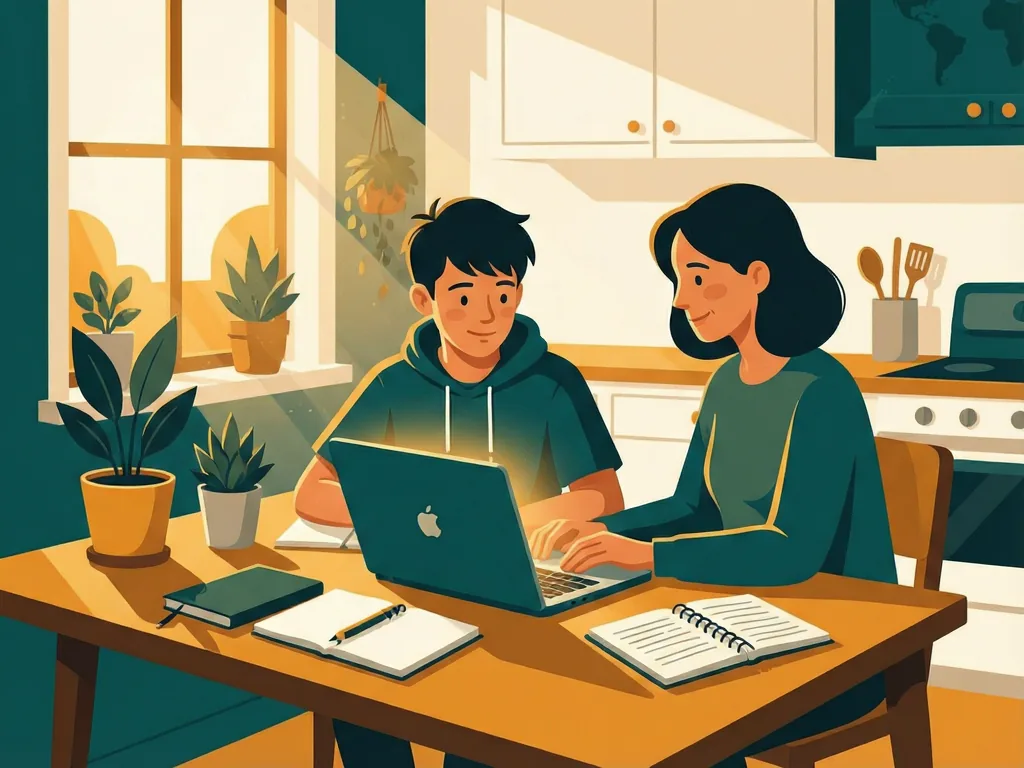
If you're a parent wondering how your teenager should be using ChatGPT, or a teen yourself trying to figure out where the lines are, OpenAI has just published a set of AI literacy resources aimed squarely at you. The new materials offer practical, expert-reviewed guidance on using ChatGPT responsibly, thinking critically about AI answers, keeping usage habits healthy, and handling emotional or sensitive conversations with care. Here's a breakdown of what these guides cover and why they matter.

Why AI Literacy Matters for Young Users
ChatGPT and similar tools have quickly become part of everyday life for many students. They use them for homework help, creative projects, questions about the world, and sometimes just to talk things through. But using an AI chatbot well isn't intuitive. It requires a set of skills that schools are only beginning to teach: knowing when the tool is helpful, when it might be wrong, and when a human conversation is the better choice.
OpenAI's new resources are designed to fill that gap. Rather than treating AI as either a miracle or a menace, the guides take a balanced approach. They encourage curiosity and productive use while also emphasizing limits, judgment, and safety. The materials were vetted by experts, which gives parents and educators an extra layer of confidence that the advice isn't just marketing.
What the Guides Cover
The resources touch on four main themes:
Responsible use. This includes practical tips on how to use ChatGPT in ways that support learning rather than replace it. The emphasis is on treating the chatbot as a thinking partner and study aid, not a shortcut that undermines skill-building.
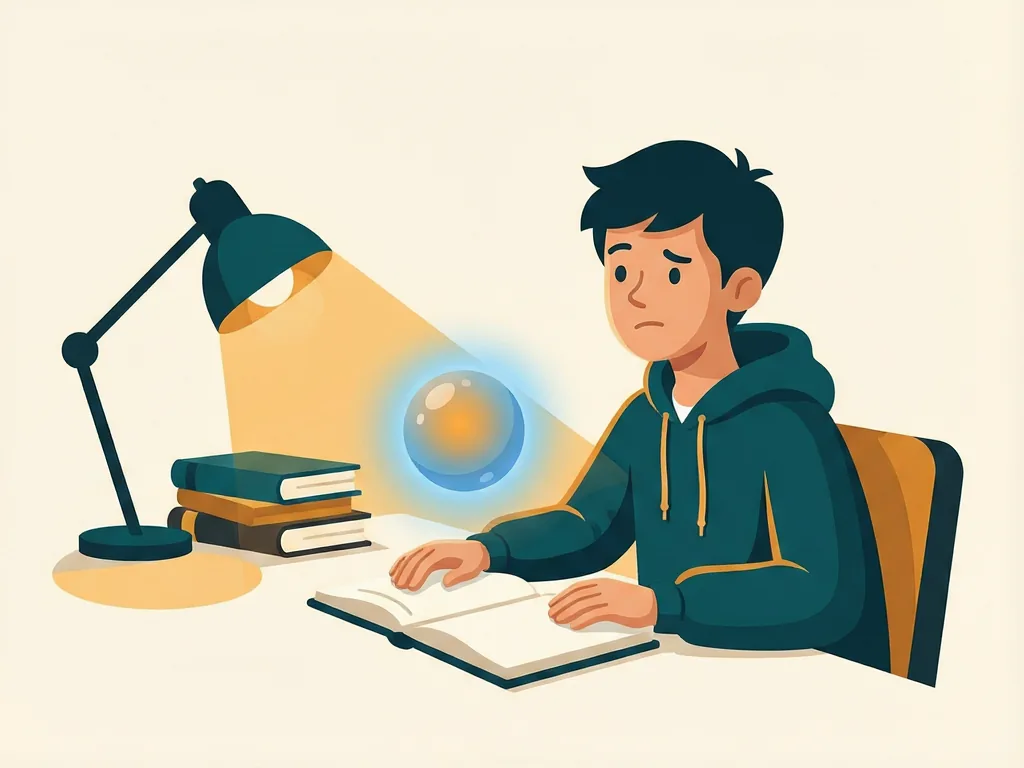
Critical thinking. AI models can make mistakes, sound confident when they're wrong, or miss important context. The guides encourage teens to verify important information, ask follow-up questions, and stay skeptical rather than accepting every answer at face value.
Healthy boundaries. Like any technology, chatbots work best in moderation. The materials address keeping AI use in balance with offline activities, real friendships, and independent thinking.
Navigating emotional and sensitive topics. Perhaps the most important section: guidance on what to do when conversations turn to difficult subjects. The message is clear that ChatGPT is not a substitute for trusted adults, counselors, or professional support, and the guides offer direction for parents on how to support teens through these moments.
What This Means for Parents
For parents, these guides serve as a conversation starter. Many adults feel out of their depth when their kids adopt new technology faster than they do. Having an official, expert-reviewed framework makes it easier to sit down with a teenager and talk through expectations: what the tool is good for, what it isn't, and when to come talk to a real person instead.
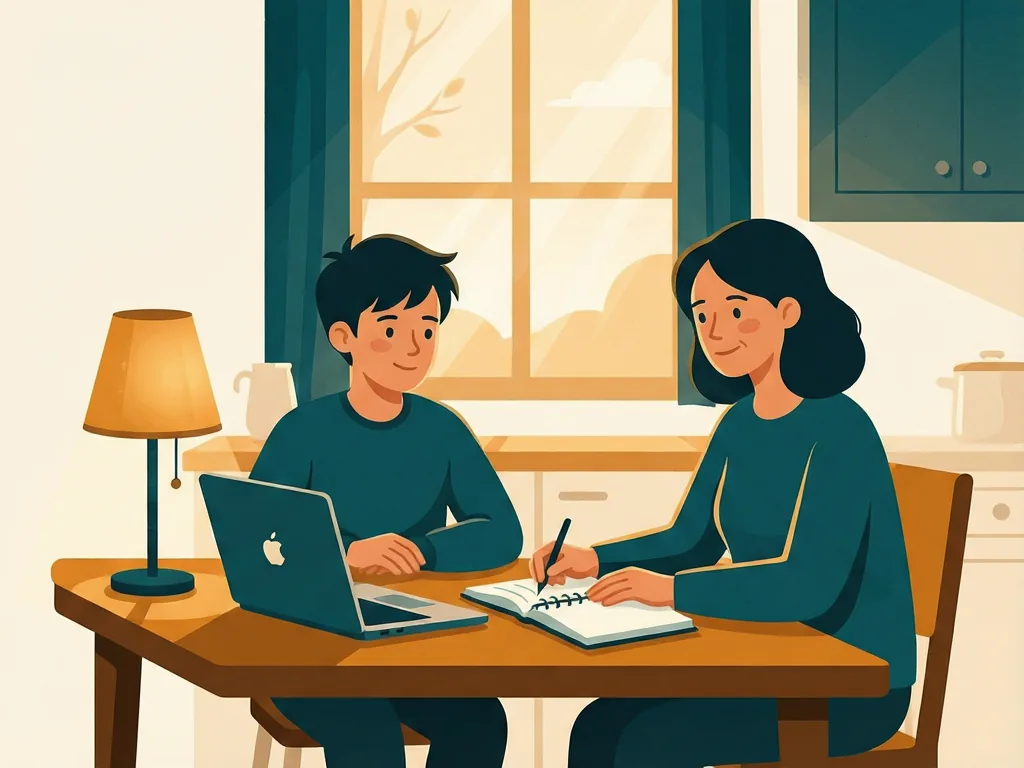
The advice on sensitive topics is especially relevant. Teens sometimes turn to chatbots with questions they hesitate to ask adults. The resources help parents understand this reality and approach it without panic, reinforcing that open communication at home matters more than restriction alone.
A Larger Trend of AI Safety Efforts
These materials fit into a broader push across the AI industry to improve how younger users interact with chatbots. As adoption among students has grown, so has scrutiny from parents, educators, and regulators. Companies are increasingly expected to provide not just safety features, but education—helping users develop the judgment to use these tools wisely.
OpenAI framing this as "AI literacy" is notable. The term suggests a long-term educational goal, closer to media literacy or digital citizenship than to a one-time product warning. Teaching teens to question, verify, and set limits is a skill set that will remain relevant as AI tools evolve.
Bottom Line
The new guides don't change how ChatGPT works, but they change the conversation around it. By giving teens and parents a shared, expert-backed playbook, OpenAI is acknowledging that healthy AI use is a learned skill. Families who want practical advice on responsible chatbot use now have a solid starting point—and for anyone navigating these questions at home, it's worth a read.
Comments (0)