
Exploring artificial intelligence and its impact on learning results
OpenAI's Learning Outcomes Measurement Suite is a new framework for assessing how AI tools affect student learning across diverse classroom settings and over extended periods. It addresses the polarized debate over AI in schools by providing standardized, longitudinal measurement, helping teachers, administrators, and researchers make evidence-based decisions about adopting AI technologies.

If you're an educator, school administrator, or education researcher wondering whether AI tools actually help students learn—or just help them finish assignments faster—OpenAI's new Learning Outcomes Measurement Suite is worth a close look. Announced as a framework for assessing how AI affects student learning, the suite is designed to measure impact across many different classroom settings and over extended periods of time. In this article, we'll break down what the suite is, why it matters, and what it could mean for schools navigating the fast-changing world of AI in education.
What Is the Learning Outcomes Measurement Suite?
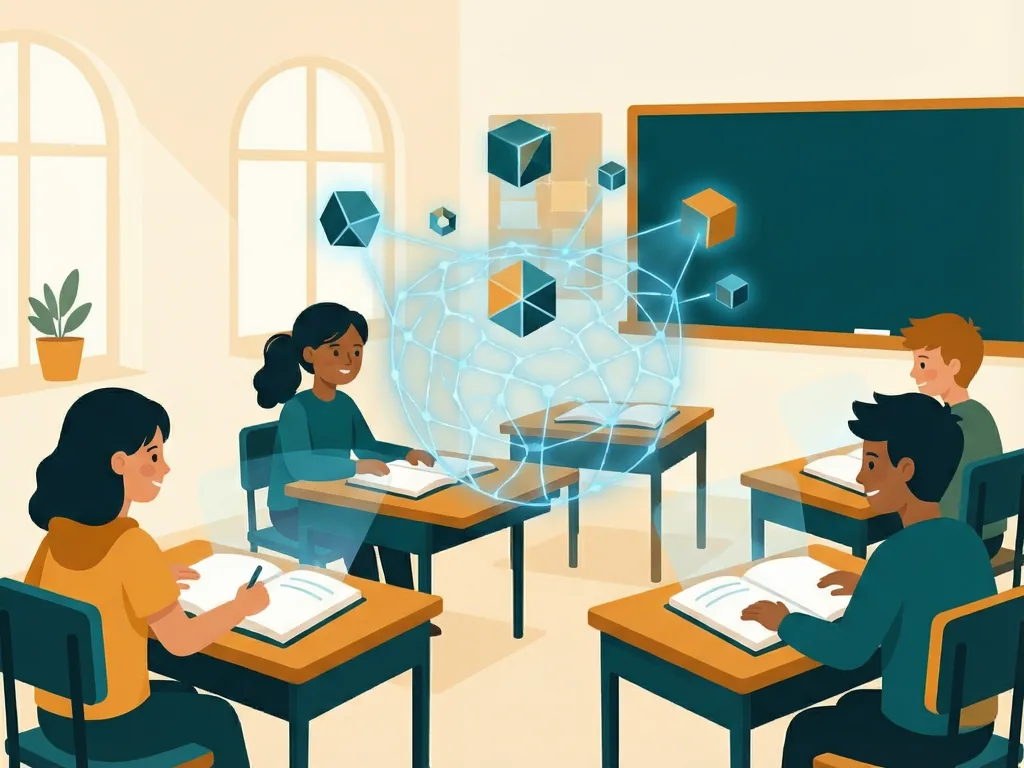
The Learning Outcomes Measurement Suite is OpenAI's answer to one of the biggest open questions in education today: does AI actually improve learning, or does it simply change how work gets done? Rather than relying on anecdotes or short-term pilot studies, the suite is built to evaluate AI's impact on student learning outcomes in a structured, ongoing way.
The key phrase here is "over time." Many existing studies of AI in classrooms measure immediate results—did students score better on next week's quiz? But education researchers have long warned that short-term gains can mask long-term problems, such as students becoming dependent on AI assistance without developing underlying skills. A measurement framework designed for longitudinal assessment aims to catch these effects.
The suite is also designed to work across "diverse educational environments." That matters because AI's effects in a well-resourced suburban high school may look very different from its effects in an underfunded rural school, a community college, or a large public university. A tool that only works in one context wouldn't tell educators much about broader trends.
Why Measuring AI's Impact on Learning Is So Hard
Anyone who has followed the debate about AI in schools knows how polarized it is. Critics worry that tools like ChatGPT make it too easy for students to outsource thinking, weakening writing skills, critical reasoning, and academic persistence. Supporters argue that AI can act like a personal tutor, offering instant feedback and personalized explanations that a single teacher managing thirty students simply cannot provide.
The problem is that both sides often rely on limited evidence. Good educational research is expensive and slow: you need control groups, consistent measurement tools, and enough time to see whether effects persist. Most schools adopting AI tools today are doing so without any systematic way to measure the results.

That's the gap the Learning Outcomes Measurement Suite is meant to fill. By giving educational institutions a standardized way to assess outcomes, OpenAI appears to be positioning the suite as infrastructure for evidence-based decision-making—helping schools move beyond gut feelings and headlines.
What This Could Mean for Schools and Teachers
For teachers, a measurement framework like this could eventually make conversations about AI less abstract. Instead of debating whether AI "is good or bad for learning," schools could look at actual data from their own contexts: Are students in AI-supported writing courses still developing strong drafts on their own? Do math students who use AI tutors retain skills a semester later?
For administrators, the suite could inform procurement decisions. Schools are increasingly asked which AI tools to adopt, and having a common measurement approach could help them compare options more objectively.
For researchers, a widely adopted measurement standard would be a significant benefit. One of the frustrations in education research is that every study measures slightly different things, making results hard to compare. A shared suite could produce findings that accumulate across institutions.
It's worth being clear about what we don't know yet. As of this announcement, details about exactly how the suite will be deployed, which institutions will use it first, what specific metrics it includes, and whether it will be freely available remain unclear. Schools interested in adopting it should watch for further details from OpenAI before making plans.

The Bigger Picture: AI Companies Entering Education Research
OpenAI is not alone in trying to bring rigor to AI in education. Other AI developers, testing organizations, and university research groups are all working on related questions. What makes this announcement notable is that it comes from the company behind one of the most widely used AI tools in classrooms worldwide.
That position cuts both ways. On one hand, OpenAI has unmatched visibility into how its tools are actually used, which could make its measurements unusually grounded in reality. On the other hand, some educators may reasonably ask whether measurement tools designed by an AI company can be fully independent when the results reflect on that company's own products. Transparent methodology and independent validation will likely be key to the suite's credibility.
For now, the announcement signals something important: the conversation about AI in education is shifting from "should we allow it?" to "how do we measure whether it works?" That shift has been a long time coming.
The Bottom Line
The Learning Outcomes Measurement Suite represents an attempt to bring real evidence to one of the most consequential questions in modern education: what happens to student learning when AI becomes part of the classroom? The framework's emphasis on long-term measurement across diverse educational settings suggests OpenAI is aware that quick answers won't be trustworthy answers.
Educators and administrators should treat this as a development to watch. If the suite delivers rigorous, transparent measurement, it could become a standard tool for schools making AI decisions. If details remain vague, it may simply be another announcement in a crowded space. Either way, the question it addresses—the true impact of AI on how students learn—is one no school can afford to ignore.
Comments (0)