
An architecture enables one agent to offer multiple presentations for in-person, voice-first AI assistants.
One agent core powers voice kiosks with swappable presentations, keeping knowledge, permissions, safety, and responsibility fixed.

Key Takeaways
- A voice-first kiosk can offer multiple presentations—different appearance, voice, personality, and gestures—while all knowledge, permissions, and safety rules remain fixed in one agent core.
- Presentations should be lightweight runtime configurations that only perform interaction style; they must never add instructions, documents, tools, or change policy boundaries.
- Voice-first public kiosks need stronger safeguards: thin clients, transcript validation, confirmation for consequential actions, captions, session wipes, and no voice-based authentication.
- Presentation choices should be made by visitors or location defaults, not biometric guessing, and database rules must enforce that each presentation belongs to exactly one agent.
Meta description: An article explains how one AI agent can use many presentations for voice-first kiosks while keeping knowledge, rules and responsibility fixed.

Tags: AI agents, voice-first kiosks, presentation architecture, conversational AI safety, kiosk design
Featured image: An abstract, friendly illustration of a central agent core connected to several avatar faces, voice waves and gesture icons, with no people, logos or text.
The article "One Agent, Many Presentations: An Architecture for In-Person, Voice-First AI Assistants" describes one agent, many presentations: a screen-based assistant can change face, voice, personality and gestures for each visitor while keeping the same knowledge, rules and responsibility. It is for teams deploying public voice-first support kiosks.
A Fixed Agent Core, a Swappable Surface
Based on real experience developing agents with multiple presentations, including an AI-powered university admissions assistant, and originally published in Towards AI on Medium, the piece imagines a support-centre screen at eye level. A visitor asks out loud; the agent answers by voice, looks at the visitor, nods and points to steps. The presentation could appear as a woman or a man, be warm and patient or brisk and to the point, and use calm or lively gestures. Another visitor could choose a different one.
A presentation is appearance, voice, personality and gestures. It holds no knowledge, permissions or rules; everything deciding what the assistant may say or do belongs to the agent core. The hard part is not rendering an avatar but placing the boundary so a presentation can never change what the agent knows, may do or must follow. A wrong boundary makes each presentation a separate assistant with its own prompt, knowledge and review, or turns it into a side door for extra documents, tools or softer rules.
Personality Presets, Gesture Lists and Thin Kiosks
Figure 1 frames the presentation as a runtime that only performs, while the agent core decides answers. Personality needs care: it changes how something is said, never what is said or done. A warm and brisk presentation may word a refusal differently, but both must refuse; a friendly presentation cannot waive a fee the policy does not allow. The article recommends reviewed presets, not free-text personality, because free text is an unreviewed policy and an easy place to inject instructions.
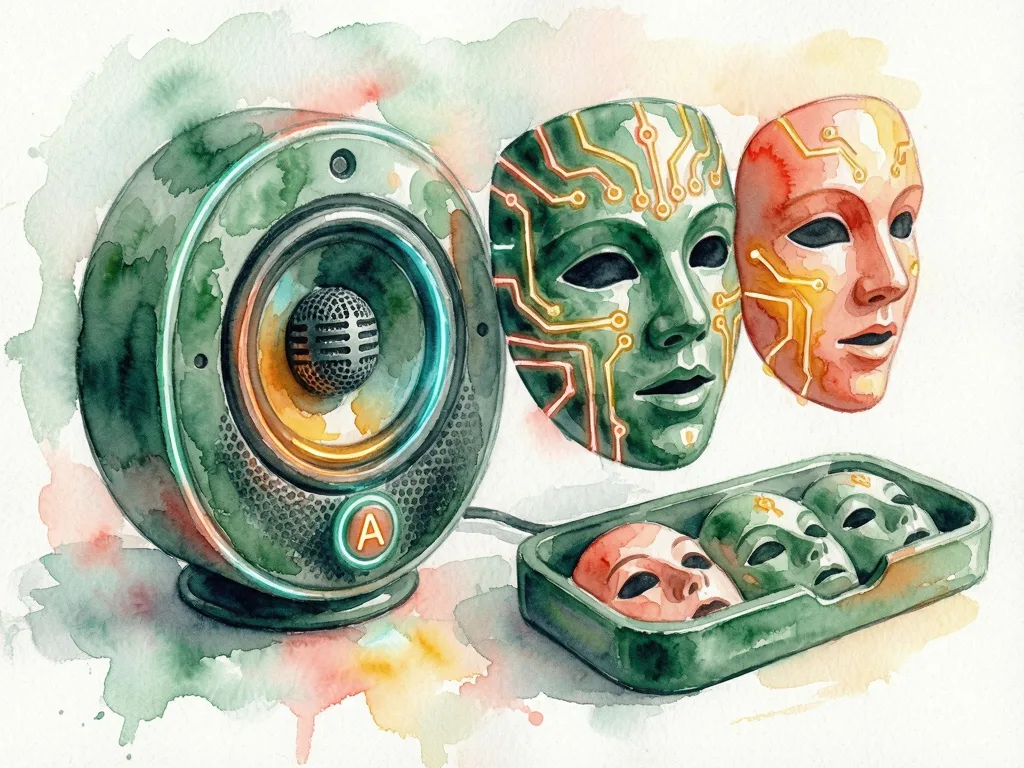
Gestures are performed, not decided; the model may suggest a nod or smile, but runtime plays only a fixed allow-list. The example file presentations/ava.yaml uses id: ava, agent: branch-support, appearance: avatar_a, voice: voice_f1, personality: warm, gestures: gentle and locale: en. The agent field is owned by exactly one agent, and there is no field for instructions, documents or tools.
A presentation can also be non-human, such as a wren character, as long as the same agent rules apply. AI disclosure belongs to the agent: every presentation says it is an AI.
Why Voice-First Settings Need Extra Guards
Three lessons follow. If adding a presentation is expensive, the boundary is wrong: it should be a configuration row, not a new prompt, retrieval or review. If a model is given a name and personality as a prompt, it may over-perform the presentation, such as re-introducing itself each answer; persona instructions should be short and say the visitor was already greeted. Switching presentations must not reset context, knowledge or rules, otherwise visitors may ask another presentation for a different answer.
The public kiosk is a thin, physically exposed client. Figure 2 says decisions, customer data and provider keys stay on the platform. The kiosk captures voice and touch, plays audio, draws the avatar and shows captions, but holds no API keys, conversation history or business logic.
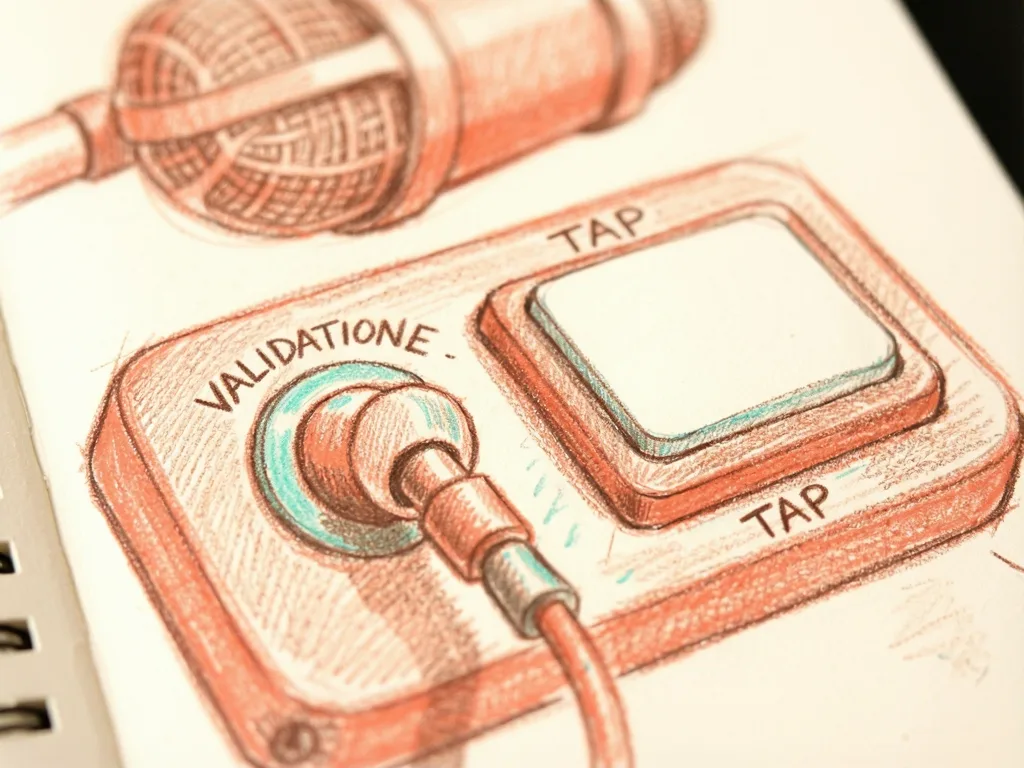
Voice is untrusted: a microphone may pick up another person or a recording, so transcripts undergo the same checks as typed text, and consequential actions, such as blocking a card, need a screen tap, not a spoken yes. Do not stream model output directly into speech, because validation might reject the words moments later; cover the wait with a thinking gesture. Captions stay on for hard-of-hearing visitors, noisy rooms and audio failure. One visitor means one session: when someone leaves, screen, audio and session are wiped. Voice cannot authenticate a visitor, because it can be cloned; use a phone code or staff check.
Database, Testing and Human-Visible Sameness
The visitor, or location default, chooses the presentation, not a camera guessing age or gender. That would be biometric processing, could misidentify people in public and bake stereotypes into the product. Appearance, voice, personality and gestures should remain independent; if the female presentation is always warm and the male presentation always authoritative, the design teaches a stereotype.
The database should enforce ownership: every presentation belongs to exactly one agent, and every reference carries that agent. The example foreign key on devices checks tenant_id, agent_id and default_presentation_id against presentations with the same tenant_id, agent_id and id, rejecting another agent's presentation. If a premium presentation could see data the standard one cannot, it is not a presentation but a different agent. Figure 5 reduces every proposed change to one question: does it touch knowledge, actions or rules? If yes, it is an agent change.
Make sameness visible by telling visitors the same assistant is using a different look and voice. There should be no borrowed authority: no uniforms, badges or real staff likenesses, and a voice imitating a real person needs consent. Design for everyone with captions, touch alternatives, a slower voice option and a wheelchair-reachable screen. A human-like face and voice can make answers feel more authoritative than their sources justify, so user research should test trust effects.
Figure 3 shows one voice turn: the presentation shapes only delivery, while decisions remain identical. The hand-off from agent to runtime closes two mistakes: unknown gestures and injected speech markup. The fixed gesture list is nod, smile, point_to_screen, thinking and open_palms; unknown cues are dropped, voice comes from configuration, text is escaped and captions are returned. Figure 4 says switching keeps context, but a new visitor never inherits it.
What to test: parity on policy questions; mid-conversation switching keeps knowledge and rules; cross-agent presentation requests are refused like unknown ones; the model cannot inject markup or gestures; nothing remains after a session.
What Comes Next
The architecture gives one place to change experience and one place to govern responsibility. New presentations, voices, personalities or kiosks can be added without touching knowledge, tools or policy. Any change to what the assistant knows or may do becomes an agent change and gets reviewed. For organisations that must stand behind answers across a counter, approval becomes simpler: approve one agent's responsibilities, then let visitors choose how they meet it. The presentation can change during a conversation; the responsibility for the answer stays with the agent.



Comments (0)