
Deprecating a Tool No One Invokes Directly
When models read tool descriptions once, API docs become runtime contracts; wording changes affect endpoint selection and lifecycle debt.
Key Takeaways
- API lifecycle management must account for AI models as primary users, since a model may select tools based on a single description without asking for clarification.
- Tool descriptions function as runtime contracts: wording, scope, and stability directly influence whether a model chooses, misuses, or avoids an endpoint.
- Small documentation changes can alter API traffic and behavior without code changes, making precise, narrow, and consistent descriptions essential.
- Deprecation, versioning, and observability need model-aware handling, because silent removals or ambiguous updates can cause failed tool calls that models may not report clearly.
API Lifecycle Management When Models Read Descriptions Once

Meta description: Learn how API lifecycle management changes when a language model reads tool descriptions once and forms opinions about endpoints for agents and tools.
Tags: API lifecycle management, model tool use, language model prompts, agent development, API documentation
Featured image: A stylized API gateway shaped like a small control panel, with a friendly abstract model node reading a single description card; soft blue and warm yellow tones, no text or logos.
API lifecycle management is no longer only about keeping human developers happy. It now matters to agent systems, where a language model may read a tool description once, form an impression, and then decide whether to call an endpoint. This article is for developers building model-connected tools, API owners adding agent-friendly access, and product teams that need software interfaces to behave predictably when the user is a model. The key idea is simple: treat every API description, version, and failure path as part of the runtime contract.
The Core Problem
A Towards AI article frames the issue as API lifecycle management when the only consumer is a model that reads a description once and forms an opinion. That framing changes the usual priorities. Traditional lifecycle work assumes users can search documentation, ask support, compare examples, and recover from confusing errors. A model often receives a compressed description in context, then must act. If the description says the tool retrieves data, but the endpoint expects nested JSON, the model may call it confidently and receive a failure it cannot explain well to the end user.

The model does not usually ask a follow-up question, open a changelog, or file a ticket. It selects a tool from what is in front of it. That makes small wording choices feel surprisingly powerful. A phrase like “for advanced analytics” may push the model toward a different endpoint, even when the simpler tool would have worked better.
Why Descriptions Become Contracts
Once a model chooses a tool, the description is not marketing copy. It is a contract for selection. It tells the model what task the endpoint is best for, what inputs are safe, what outputs to expect, and when not to use it. If the contract is vague, the model fills the gap with a reasonable guess. That guess can look like a bug. It can also create lifecycle debt.
A small wording change may make an endpoint seem more or less attractive, changing traffic without any code deployment. A description that is too broad invites tool collisions. A description that is too narrow may make a useful endpoint invisible. For readers, this means API documentation needs the same discipline as schemas. Clear purpose, explicit limits, example payloads, and stable names matter.
Lifecycle Work That Matters Most
Design first. A model-facing endpoint should have a narrow job, predictable names, and simple inputs. Versioning matters because a model may still remember an older description after a change. Compatibility windows need clearer signals. If two versions exist, the model may need guidance on which one to prefer, not just a note that one is deprecated.
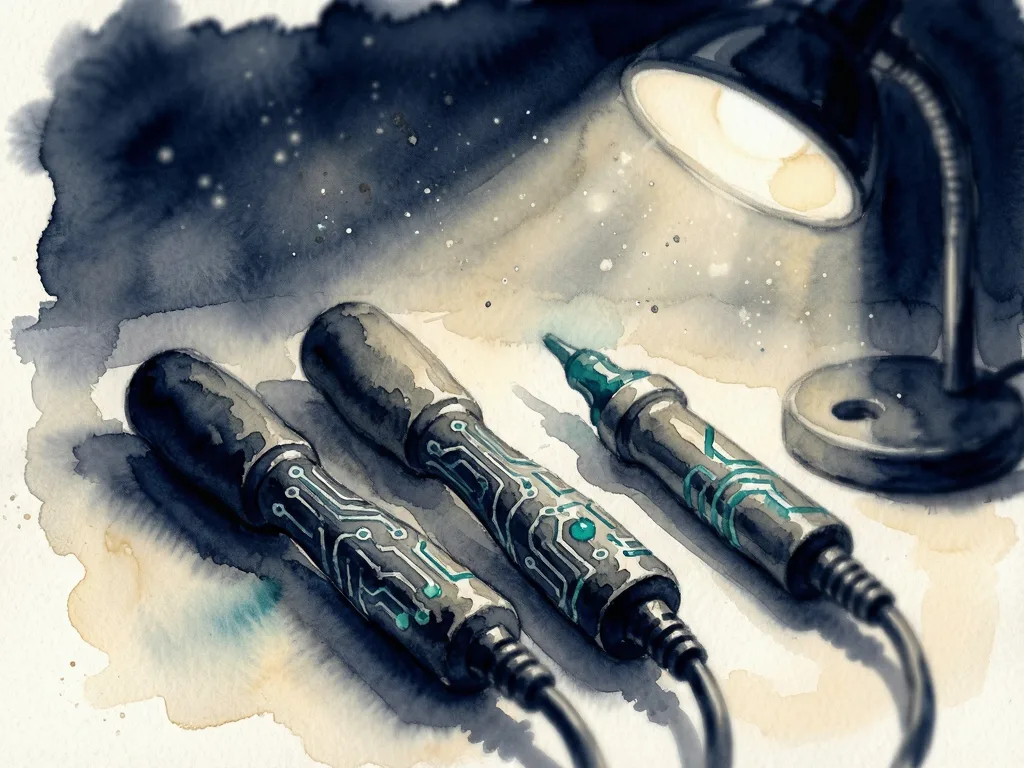
Deprecation matters because silent removal can leave the model calling an endpoint that no longer exists. Monitoring matters because errors from a model may not include a human report. They may appear as odd tool-use patterns, repeated retries, or empty final answers. The lifecycle loop becomes practical: define the tool, describe it precisely, observe how models call it, then adjust the description and the interface together.
What This Means for Teams
If you are building an API for agents, ask what a model would do with only one paragraph of context. Would it know the difference between a search endpoint and a fetch endpoint? Would it understand rate limits, authentication failures, or partial results? If not, the interface is fragile. Teams should test tool descriptions the way they test schemas. A change that looks harmless to humans can change the model’s choice.
For platform teams, the next step is not just better docs, but feedback systems that connect model behavior back to lifecycle decisions. That can include call success rates, malformed request counts, and cases where the model chooses the wrong tool. The goal is a smaller gap between what the description promises and what the model can reliably do.
A Reader’s Takeaway
For non-experts, the change is easy to summarize. APIs used by models need descriptions that are short enough to fit in context, precise enough to avoid guesses, and stable enough to survive updates. For developers, the work is more concrete. It combines interface design, documentation, versioning, observability, and prompt engineering.
When the consumer is a model, the lifecycle does not end at deployment. It continues through every tool description, error message, and compatibility decision that shapes what the model believes is available. The best outcome is not a model that knows everything. It is a model that can make a safe, narrow decision and recover when the interface changes.





Comments (0)