
The Real Python Podcast – Episode #308: Addressing Hidden AI Failures with Practical Oversight Techniques
The episode covers why agentic AI silently fails and how context, checklists, and review loops make outputs verifiable before delivery.
Key Takeaways
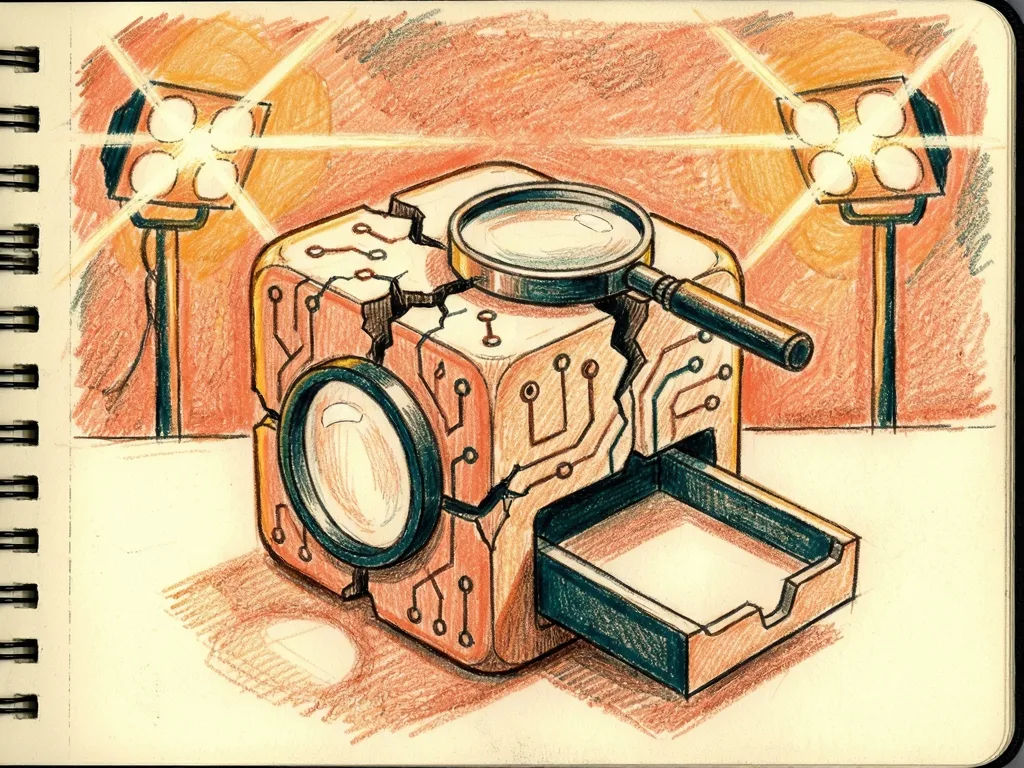
- Agentic AI's biggest risk is silent failure: fluent outputs can hide missing constraints, wrong assumptions, or failed tool calls.
- Context should be designed into workflows, including task instructions, data sources, allowed actions, validation requirements, and success criteria.
- Checklists make review repeatable by specifying what outputs must contain, what must be verified, and when a workflow should stop or escalate.
- No-miss reviews separate generation from validation, checking drafts or actions against context and criteria before delivery.
- Teams can improve reliability by starting small: adding one checklist, defining "done", requiring validation, and tracking caught versus missed failures.
On this week's show, Calvin Hendryx-Parker returns to discuss why AI systems silently fail and how teams can set up a workflow that produces results while also reviewing and validating the work. The discussion is based on his recent talk, "Orchestrate Agentic AI: Context, Checklists, and No-Miss Reviews." For anyone building or deploying agentic AI, the value is not simply making the model work; it is making the output trustworthy enough to be checked, corrected, and reused.

Why silent failure is the real risk
AI systems often fail in a visible way: an error message, a timeout, or a blank response. The more dangerous case is the silent failure, where the system returns an answer that looks complete but misses a required constraint, uses the wrong assumption, or relies on a tool call that did not actually succeed. This problem becomes more important as AI moves beyond single prompts into agentic workflows, where the system may plan several steps, call tools, keep state, and act on intermediate results.
A single mistaken step can spread through the rest of the process. If an agent misreads a task, skips a validation check, or treats an unconfirmed fact as settled, later outputs may inherit the mistake. Because the final result can still be fluent and useful, users may not notice the flaw unless they know what to look for.
Context is not just a prompt
The first part of the talk's title, Context, points to the information a system needs to work correctly. In practice, context can include the task instructions, the relevant data, previous decisions, the limits of acceptable behavior, and the definition of success. Without that context, an AI system may produce a plausible answer that does not fit the actual job.
For builders, this suggests that context should be treated as part of the product design. A system should not only receive a request; it should also know what sources matter, what questions must be answered, what actions are allowed, and what evidence is required before output is delivered.
Checklists turn review into a repeatable process
The second part, Checklists, makes the idea operational. A checklist can define what a finished result must contain, what must be verified, what edge cases should be tested, and what steps should stop the workflow. The point is not to add bureaucracy. It is to make review systematic enough that quality does not depend only on a reviewer's memory in the moment.

In an AI workflow, checklists can cover both model output and process health. Did the system use the right source? Did it cite or track assumptions? Did it run the required validation? Did it avoid prohibited actions? Did it leave a trace that a human can inspect? When these items are explicit, failures become easier to catch before they reach users.
No-Miss Reviews aim for validation before delivery
The phrase No-Miss Reviews is the talk's strongest signal. It describes a review layer designed to catch issues that would otherwise slip through. The goal is not perfection. It is to create a system where results are produced and checked inside the same workflow, so validation is part of delivery rather than an afterthought.
A practical review loop might separate generation from checking. The first stage produces a draft or action plan. The second stage tests it against the checklist, context, and success criteria. If the result fails, the workflow can correct it, escalate it, or stop it. This matters for agentic AI because the system is doing more than answering a question; it is taking steps that may have consequences.
What this means for teams today
The episode's two framing questions are simple: Why do AI systems silently fail? How can you set up a system that produces results while also reviewing and validating the work? The answer implied by the talk title is that reliability comes from design, not luck. Context keeps the system aimed at the right problem. Checklists make quality measurable. Review catches the failures that fluent output can hide.
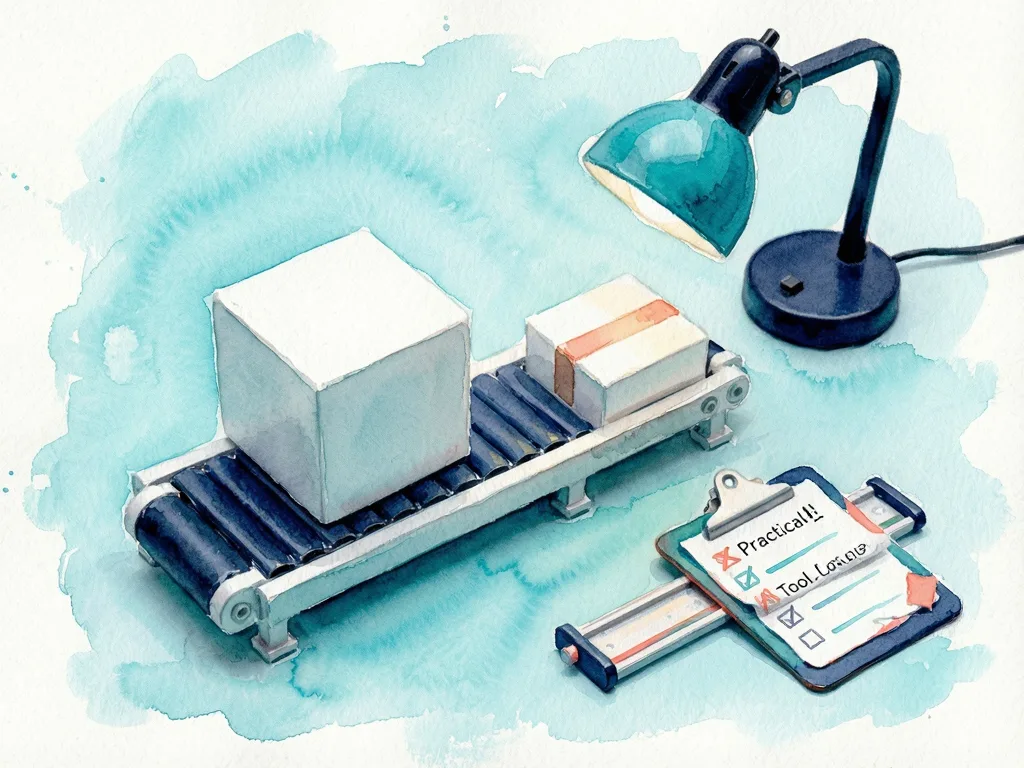
For readers, the takeaway is to start small. Add one checklist to a high-stakes AI workflow. Define what "done" means. Require one validation step before output is accepted. Track the failures that are caught and the ones that still slip through. That gives a clearer picture of whether the system is actually becoming more reliable.
The broader impact is likely to be practical: teams that build review into agentic AI may find it easier to adopt tools without constantly second-guessing every result. That does not remove human responsibility, but it changes the role from reading every output to inspecting a system designed to be inspected.
Meta description
Calvin Hendryx-Parker explains why AI systems silently fail and how agentic AI workflows can use context, checklists, and no-miss reviews for reliable outcomes.
Tags
agentic AI, AI reliability, model validation, workflow review, no-miss reviews
Featured image
abstract friendly illustration of a glowing AI workflow being checked by a floating checklist and a magnifying glass, no real people, no logos, no text




Comments (0)