Presenting ChatGPT Images 2.0
ChatGPT Images 2.0, launched in 2026, focuses on three core improvements: more accurate text rendering inside images, broader multilingual support for prompts and in-image text, and stronger visual re…

ChatGPT Images 2.0, launched in 2026, focuses on three core improvements: more accurate text rendering inside images, broader multilingual support for prompts and in-image text, and stronger visual re…
OpenAI's new safe completions method for GPT-5 replaces the traditional hard refusal approach with output-centric safety training. Instead of refusing potentially sensitive questions outright, the mod…
OpenAI's ChatGPT Atlas browser can click, type, and navigate on users' behalf, making it a target for prompt injection attacks where hidden web page instructions trick the AI into harmful actions. Ope…
Coding agent subscriptions deliver more value when treated as managed resources rather than unlimited chat tools. Developers and teams should audit usage, identify tasks that generate accepted changes…
OpenAI has announced the acquisition of Promptfoo, a startup specializing in AI security testing. Promptfoo helps enterprise teams detect vulnerabilities like prompt injection attacks and data leaks d…
OpenAI has introduced two enterprise security features for ChatGPT: Lockdown Mode and Elevated Risk labels. Lockdown Mode restricts risky capabilities that attackers exploit, breaking the chain of pro…
Invideo AI uses OpenAI's GPT-4.1, gpt-image-1, and text-to-speech models to transform plain-language prompts into complete professional videos—script, visuals, and voiceover included—within minutes. I…
A Python roadmap for LLM apps: call APIs, craft prompts, add RAG, build agents, and use MCP while managing reliability, security, and cost.
A comprehensive guide helps teachers at all tech levels use ChatGPT in the classroom. It offers ready-made prompts for lesson planning, quizzes, and differentiated materials, explains how the AI gener…
Andrew Brown's 8-hour freeCodeCamp course teaches Claude APIs, MCP, prompt engineering, security, and agentic workflows for CCDV-F certification.
OpenAI has extended fine-tuning for GPT-4o to support both images and text, allowing developers to train the model on custom visual data for tasks like product recognition, defect inspection, and docu…
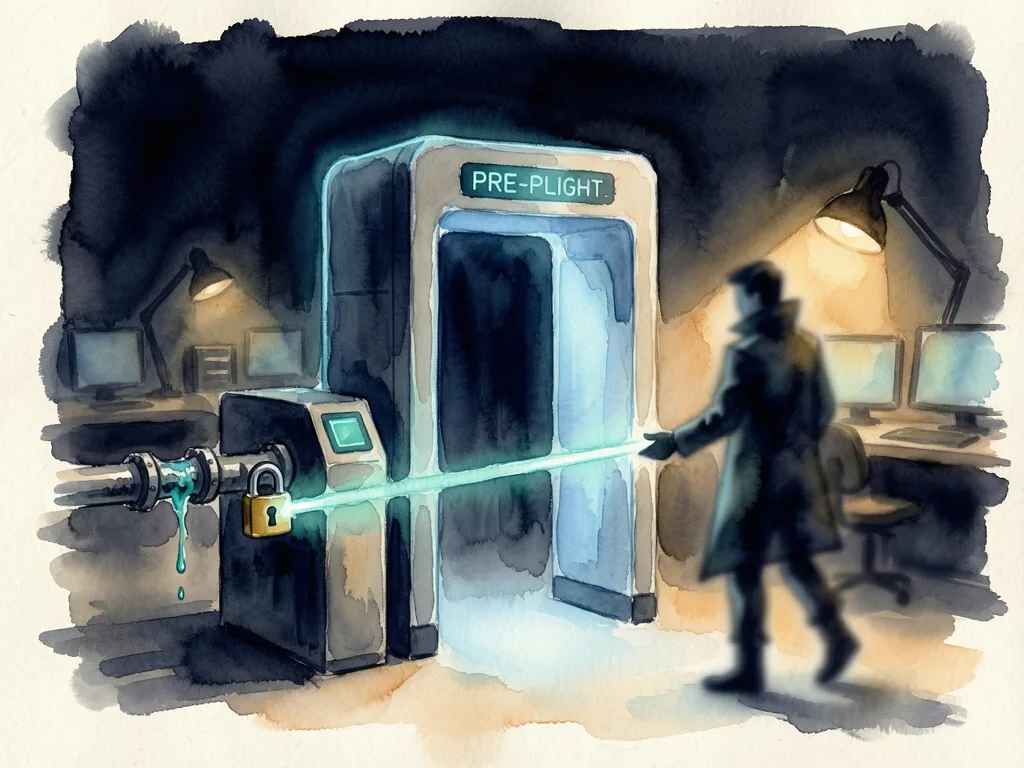
A step-by-step guide to a 148-line Python preflight scan that checks secrets and injection risks before AI agents access a project.
This guide presents five practical ChatGPT workflows for sales reps, managers, and revenue operators: weekly pipeline briefs, five-minute meeting prep, account plans, forecast reviews, and deal diagno…
DALL·E has removed its waitlist, allowing anyone to start creating with AI immediately. Enabled by improved safety systems and lessons from real-world deployment, new users get quick sign-up, guided o…
This guide presents four practical ChatGPT Work workflows for data and business analysis professionals. Learn how to use structured prompts to write root-cause briefs, draft KPI memos, scope analyses,…
ChatGPT's shopping research feature transforms the chatbot into a personal research assistant that explores, compares, and organizes products into personalized buyer's guides. It asks follow-up questi…
This article explains how OpenAI protects GPT-5.1-Codex-Max through two defense layers: model-level safety training that teaches the model to decline harmful requests and resist prompt injections hidd…
Neural transparency is an MIT Media Lab tool that previews likely chatbot personality traits before a custom AI companion goes live. It uses internal activation patterns, comparing prompts that encour…
OpenAI has launched three new free courses on its OpenAI Academy platform. The first builds practical AI skills like clear prompting and iterative refinement, ideal for beginners in non-technical role…
This guide explains how to call the Claude API in Python, configure keys, use system prompts, and validate JSON output with Pydantic.