
Google's Pixel Tag tracker will not work as well on older Android phones, so review our list.
Google's Pixel Tag is a $30 Bluetooth tracker, but full precision finding, Find Hub labels, and ultra-wideband need Android 9.0+ and Bluetooth 6.0+.
Key Takeaways
- Google’s $30 Pixel Tag works as a basic Bluetooth tracker on many Android phones, but its headline precision features require Android 9.0+ and Bluetooth 6.0+.
- Bluetooth 6.0 enables Bluetooth Channel Sounding for exact distance and direction, plus Find Hub features like ringing the phone and custom item names; older phones lose much of this experience.
- Only recent premium Android models, such as newer Pixel, Samsung Galaxy, and Motorola flagships, currently support Bluetooth 6.0.
- Close-range tracking also depends on ultra-wideband, which many Android phones lack, even if they meet the Bluetooth 6.0 requirement.
- The Pixel Tag is best for users of recent premium Android phones; owners of older devices may prefer a cheaper tracker until they upgrade.
Meta description: Google Pixel Tag $30 tracker is available, but Android 9.0+ and Bluetooth 6.0+ are needed for precision finding, Find Hub, and ultra-wideband tracking.
Tags: Pixel Tag, Bluetooth tracker, Android, Find Hub, ultra-wideband
Featured image: abstract friendly illustration of a small Bluetooth tracker and an Android phone, no real people, no logos, no text
Google’s Pixel Tag is now available as a $30 Bluetooth tracker for Android users, but buyers should check their phone before expecting the full experience. The small tracker was announced in August at the Google I/O developer conference, and its most advanced tracking features depend on a compatible phone running Android 9.0+ and Bluetooth 6.0+. That compatibility split is the real story: the Pixel Tag can work as a general locator, but the precision-finding tools that make it feel new are limited to newer Android hardware.
A tracker that is not locked to one phone brand
Google’s Pixel Tag is the company’s Android-exclusive Bluetooth tracker. It appears less confined to one maker’s device ecosystem than Samsung’s Smart Tag 3 or Apple’s AirTag. That broad Android fit is the pitch.
The catch is in Google’s compatibility footnotes. Several of the Pixel Tag’s best features require a compatible phone running Android 9.0+ and Bluetooth 6.0+. Android 9 and newer covers many devices, but Bluetooth 6.0 and newer does not. So the question is not only whether the phone is reasonably modern, but whether it supports the newer radio feature that the Pixel Tag relies on.
Only new phones support Bluetooth 6.0
Phones started shipping with Bluetooth 6.0 in 2025, beginning with Samsung’s Galaxy S26 Plus and Galaxy S26 Ultra. The phones listed by Google as having Bluetooth 6.0 are Samsung Galaxy Z Fold8, Galaxy Z Fold8 Ultra, Galaxy S26 Plus, and Galaxy S26 Ultra; Google Pixel 10a, Pixel 10, Pixel 10 Pro, Pixel 10 Pro XL, Pixel 11, Pixel 11 Pro, Pixel 11 Pro XL, and Pixel 11 Pro Fold; and Motorola Edge (2026) plus Signature 27, which has Bluetooth 7.0.
If your Android phone is older than any listed phone, even by one generation, it likely uses Bluetooth 5.3 or Bluetooth 5.4, which is not enough for the Pixel Tag’s top-tier features. That makes the purchase decision easier than it may look: the tag’s full experience is tied to a short list of recent flagship and foldable phones.
What older Android phones lose
The Pixel Tag’s precision-finding capability depends on Bluetooth Channel Sounding, a method introduced in Bluetooth 6.0 for measuring distance and direction. Most published reviews, including ZDNET’s, tested the tracker paired with a Pixel 10, Pixel 10 Pro, Pixel 11, or Pixel 11 Pro. Those models appear in Google’s Bluetooth 6.0 list.
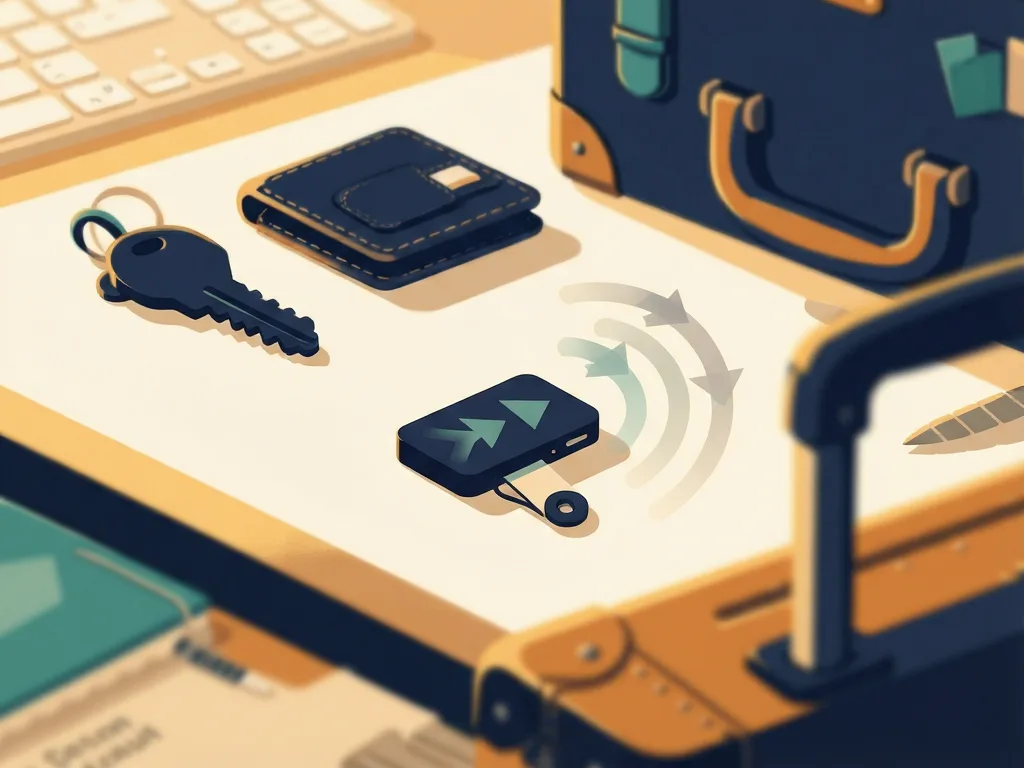
Google’s compatibility footnotes, repeated in its press release, say several best features require Android 9.0+ and Bluetooth 6.0+. Those features include tracking items such as keys, wallets, or luggage; a button you can press to ring and find your phone; and naming items by choosing a category or typing a custom label in the Find Hub app.
On older Android devices without both requirements, Google says exact direction and distance, pinging a tracker when you cannot see it, and custom names are not supported. A general location may still be available, but the tracker loses the features that make it feel like a next-generation finder. The distinction matters because the Pixel Tag’s headline tools depend on Bluetooth Channel Sounding and the Find Hub app.
Ultra-wideband matters at close range
Shorter-distance tracking also needs an ultra-wideband chip inside the Android phone. Bluetooth Channel Sounding handles distance and direction at longer ranges, while ultra-wideband takes over for shorter ranges. Most premium Android phones with Bluetooth 6.0 also have ultra-wideband chips, but several of Google’s base-model phones lack one.
Samsung’s base-model phones, A-series phones, and Z Flip-series phones also lack the chip, so more Android devices cannot access the Pixel Tag’s short-range precision finding. That means a phone can meet the Bluetooth 6.0 requirement and still miss part of the experience. For buyers, the full Pixel Tag story depends on two hardware pieces: Bluetooth Channel Sounding for longer-range direction and distance, and ultra-wideband for close-range precision.
Who should use it / who should skip it
With the full specification list in mind, the Pixel Tag is best for people who already use recent premium flagship Android phones. If your phone does not support Bluetooth 6.0, it still works as a basic Bluetooth tracker rather than a precision finder. A single Pixel Tag costs $30, which is not much more than a Tile Tag and is cheaper than a Chipolo Loop.
Still, if your phone cannot use the headline features, a cheaper tracker may be a better choice until you upgrade. The Pixel Tag’s value is not that it is impossible to use on older phones, but that its most useful tools are tied to newer Android hardware. Buyers should check their phone model first, then decide whether they are buying a general locator or the full precision-finding experience Google is selling.



Comments (0)