
SynthFaces is a balanced large-scale human dataset.
SynthFaces is a synthetic face dataset accepted to the British Machine Vision Conference 2026. It uses ID-Flow and an identity-conditioned generator to create new identities balanced across age, race and gender. Each identity gets about ten images in varied captioned scenes. The dataset supports training fairer identity-preserving models without using real personal data.
Key Takeaways
- SynthFaces is a synthetic face dataset accepted to BMVC 2026 for training identity-preserving models without using real personal images.
- It is designed to be balanced across age, race, and gender to reduce demographic bias common in real-world face datasets.
- The dataset is built using ID-Flow, a label-conditional flow matching model, and an identity-conditioned generator that creates non-existent people in varied captioned scenes.
- It contains about 10 images per synthetic identity, offering a privacy-preserving alternative to large real-world face datasets.
Meta Description: SynthFaces, accepted to BMVC 2026, creates synthetic faces balanced by age, race and gender to train identity-preserving models without real personal data.
Tags: SynthFaces, ID-Flow, face datasets, synthetic data, BMVC 2026
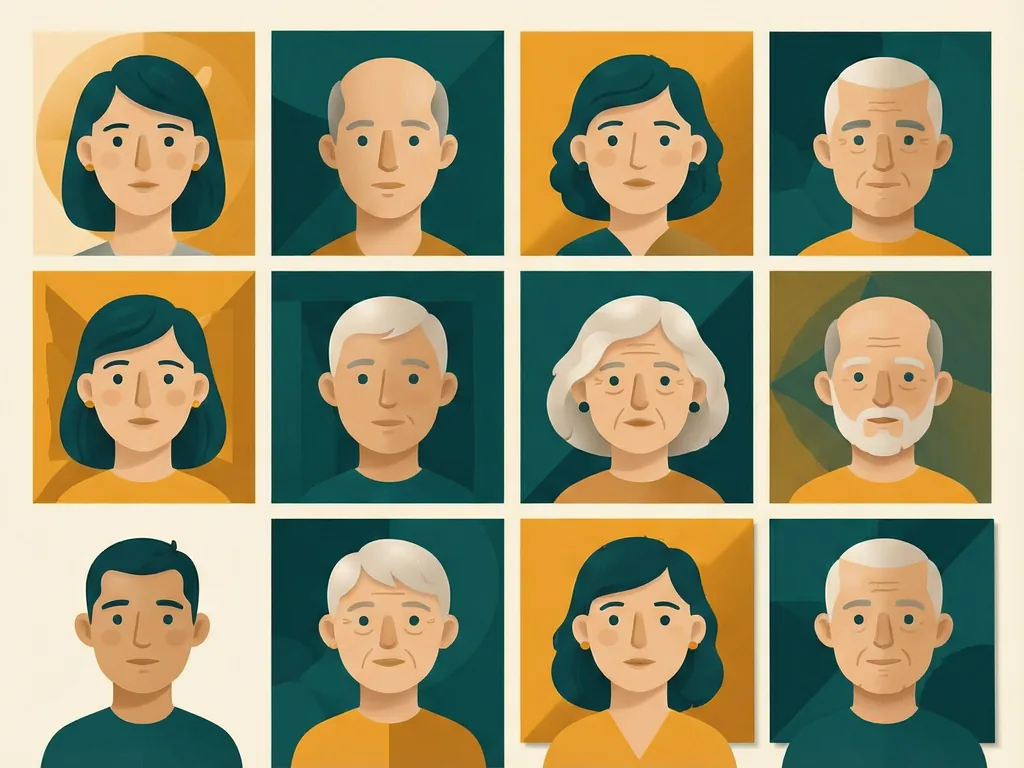
Featured image: Abstract illustration of synthetic face cards arranged in a balanced grid, with varied scene icons and soft privacy markers, no real people, no logos, no text.
SynthFaces is a synthetic face dataset created to help developers and researchers train identity-preserving models, systems that need to keep a person's identity consistent across images, without relying on large real-world image collections that may include people who never agreed to be used for training. The work has been accepted to BMVC 2026.
Why real face data can be problematic
Face datasets are heavily skewed across age, race and gender, and large real-world collections include people who never agreed to be used for training. This can make models less reliable for underrepresented groups and raise consent concerns. Synthetic datasets can provide an alternative when built with balanced demographic targets.
How SynthFaces builds the dataset
SynthFaces is balanced by design. A label-conditional flow matching model, ID-Flow, samples new identities for any chosen demographic group. An identity-conditioned generator turns them into face images, which are then placed into varied, captioned scenes. The result is a large dataset of non-existent people, with about 10 images per identity.
What readers should take away
For model developers, SynthFaces can be used to train and fine-tune fairer identity-preserving models without real personal data. Its controlled generation process aims to reduce demographic imbalance while using no real personal data.





Comments (0)