
Manga2Animate is an agentic framework that creates faithful manga animations through script and storyboard planning.
Manga2Animate uses paired agents to create scripts and storyboards before animation, preserving source events, art style, and shot consistency.
Key Takeaways
- Manga2Animate is a multi-agent framework that adapts manga into coherent animations while preserving the source’s story and visual style.
- It avoids the pitfalls of text-only or direct video generation by first creating two intermediate representations: an animation script and a visual storyboard.
- Creator agents generate the script and storyboard, while reviewer agents check them against the manga panels and refine them through dual-level feedback.
- The script helps preserve events and sequence, while the storyboard helps maintain visual structure, shot consistency, and character details.
- Experiments and a user study report that the framework produces more faithful and consistent animations than state-of-the-art approaches, though exact benchmark details are not provided.
Manga2Animate Turns Source Manga Into Faithful Animated Scenes
Meta description: Manga2Animate uses creator and reviewer agents to make animation scripts and visual storyboards from source manga before generating coherent animation.
Tags: Manga, Animation, Multi-Agent, Storyboard, Research
Featured image: Abstract friendly illustration of manga panels flowing into animation frames and storyboard cards, with no real people, no logos, and no text.
A paper introduces Manga2Animate, a multi-agent framework that adapts existing manga into coherent animation while staying faithful to the source. The method grounds every stage of generation in the source manga by first producing an animation script and a visual storyboard before synthesizing the final animation.
Why simple text or direct video generation fails
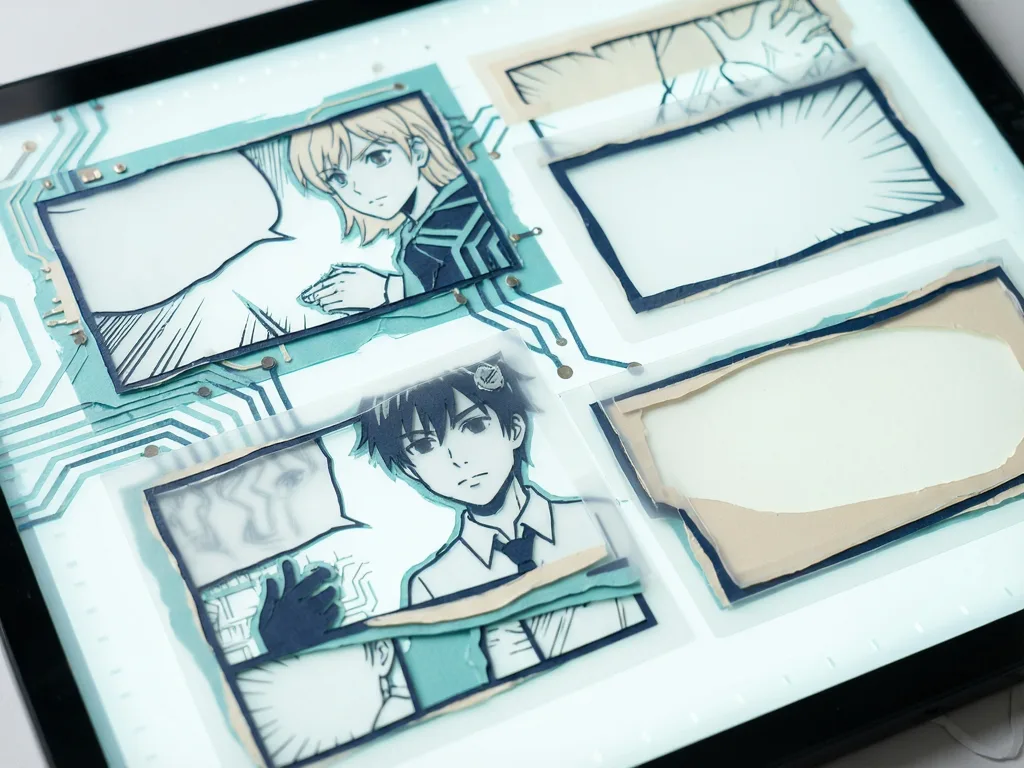
Manga pages are not ordinary captions. Their meaning is carried by panel layout, repeated character faces, clothing details, and the flow from one frame to the next. When a system reads the manga mainly through text, it can lose characters and art style. When a system feeds manga pages directly into video generation models, the model may misinterpret the manga's structure and produce incorrect storylines.
How two checkpoints keep the source in view
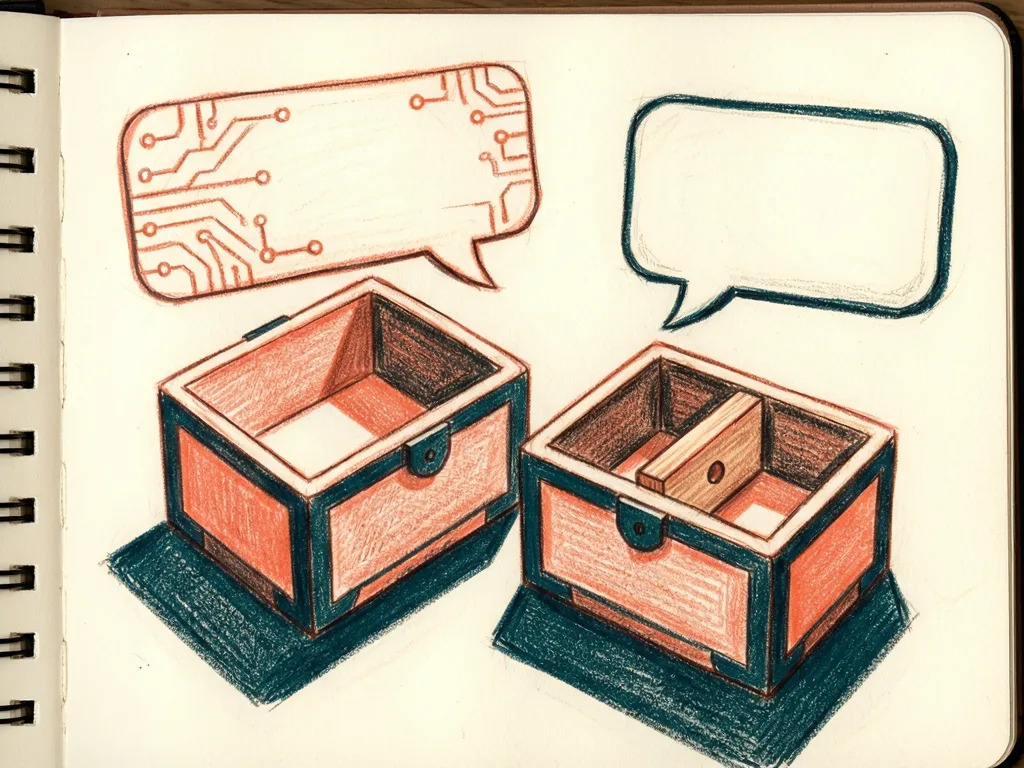
The paper decomposes adaptation into two intermediate representations: an animation script and a visual storyboard. Each representation is produced by a creator agent. A paired reviewer agent then checks it against the source panels. The framework uses representation-specific selection and dual-level feedback to progressively refine both representations before synthesizing the final animation. In practical terms, the script helps preserve events and sequence, while the storyboard helps preserve visual structure and shot consistency.
What the experiments and user study claim
The paper reports extensive experiments and a user study demonstrating that Manga2Animate produces animations more faithful to the source manga and more consistent across shots than state-of-the-art approaches. The source text does not provide exact scores, participant counts, or model versions, so the claim should be read as a comparative result described in the paper rather than a benchmark table.
What this means for readers
For readers interested in manga adaptation, the value is in a workflow that keeps the source visible at each stage. The staged check helps address risks such as inventing a plot, losing character design, or breaking shot consistency. The approach also suggests that when the source is visual and sequential, a visual intermediate representation may matter as much as the final generation model.
Comments (0)